
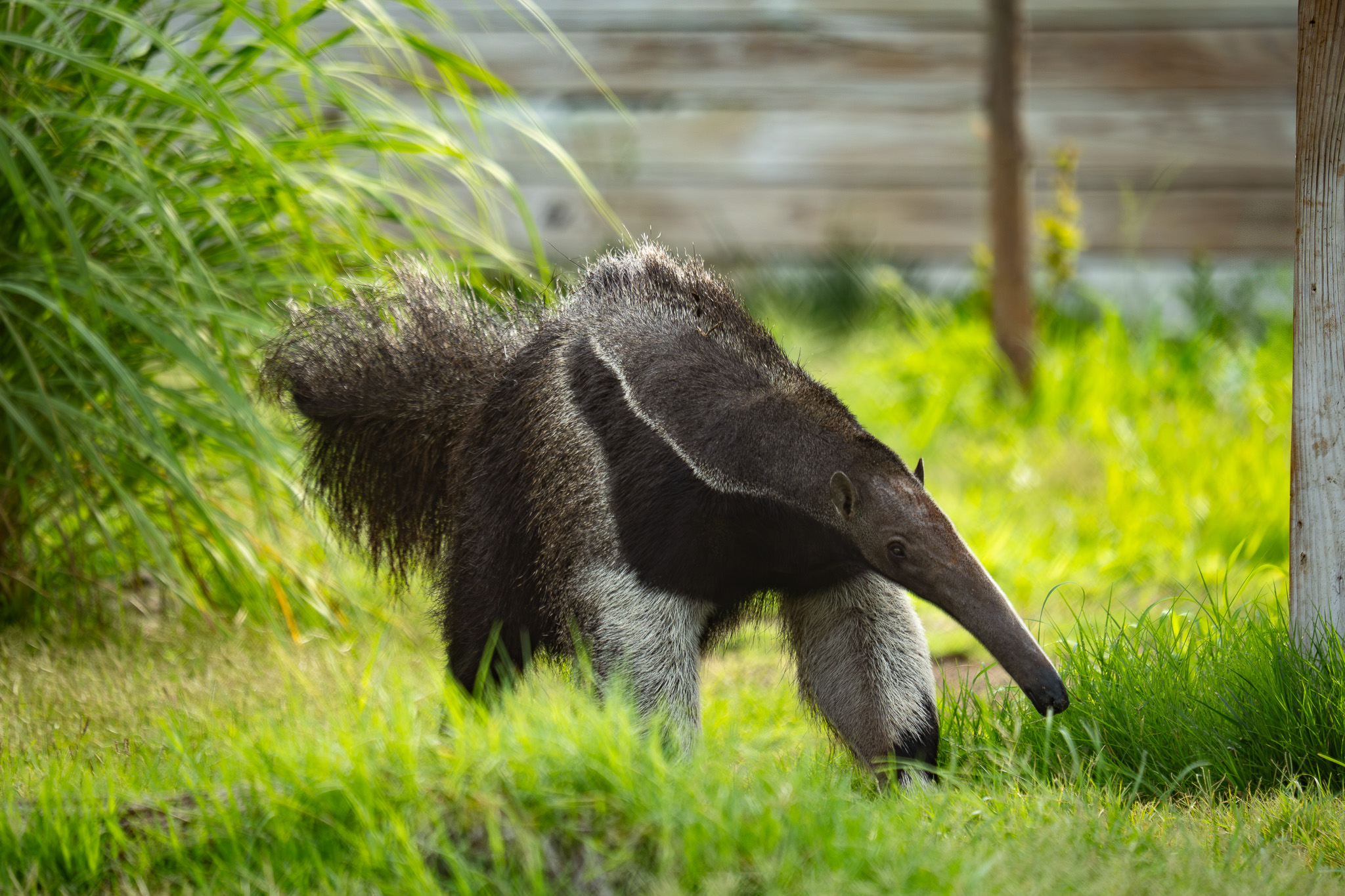
- The characteristics and behaviors of anteaters.
- The importance of habitats for wildlife conservation.
- The role of zoos in species preservation.
- The dynamics of introducing new species into established habitats.
- The significance of public awareness and education about wildlife.
The anteater, particularly the giant anteater, is a fascinating creature. With its long snout and elongated tongue, it’s perfectly adapted for a diet of ants and termites. They possess strong front legs and sharp claws, which allow them to dig into mounds and trees where their prey is located. These adaptations highlight their role in ecosystems as natural pest controllers, helping maintain a balance in insect populations.
Anteaters have several social behaviors. Generally solitary, they come together only during mating season. The male can be quite territorial, often engaging in various displays of dominance. On the other hand, females are known to show nurturing traits, as they carefully raise their young. Understanding these characteristics enhances our appreciation of their ecological importance.
The habitat of an anteater is crucial for its survival. They thrive in grasslands, savannas, and rainforests, which provide ample food sources. Unfortunately, these ecosystems face significant threats from deforestation, agriculture, and urban development. These human activities not only reduce the available habitat but also fragment it, making it harder for anteaters to find mates and food. Maintaining their natural environment is essential for their ongoing existence.
Zoos play a vital role in wildlife conservation efforts. They serve as safe havens for endangered species and provide a platform for breeding programs aimed at increasing population numbers. These controlled environments also allow for extensive research opportunities, enabling scientists to learn more about animal behavior, reproduction, and health. By studying animals like the anteater, zoos can contribute to efforts that aim to preserve them in the wild.
Introducing new species into established habitats, as seen with Mateo and Chive, is a significant undertaking. It requires careful planning and monitoring. Successful introductions can enhance genetic diversity and provide a chance for more cohesive social structures. However, challenges are present, particularly if the animals’ individual temperaments are not compatible. By fostering a setting conducive to shared living conditions, caretakers can help mitigate possible conflicts.
Public awareness and education are crucial facets of wildlife conservation. By engaging with visitors through exhibits and informational programs, zoos can foster an appreciation for animals like the anteater. Interactive experiences, such as feeding demonstrations or educational talks, help potential conservationists understand the challenges faced by these animals in the wild. Every individual can contribute to preserving wildlife through informed choices about consumption, habitat preservation, and advocacy.
The introduction of Chive into Mateo’s habitat represents hope for the future of anteater populations. This event is a reflection of effective zoo management practices and a commitment to conservation efforts. Experts monitor the interaction between the two anteaters to ensure they adapt to their shared space harmoniously. Each day brings new opportunities for learning, as caretakers observe their behaviors and assess their well-being.
In terms of their biological makeup, anteaters belong to the order Pilosa, which they share with sloths. Despite their differences, both groups exhibit slow metabolism and specialized eating habits. The differences in size, fur texture, and reproductive strategies mark their unique evolutionary paths. This evolutionary history is crucial for understanding how to best manage their populations within both zoos and natural habitats.
One vital aspect of zoo management is the consideration of each species’ specific needs. For anteaters, this includes dietary preferences, social structures, and environmental enrichment. Providing a varied diet that mimics their natural foraging habits is essential for their health. Caregivers utilize insects, fruits, and vegetables to maintain nutritional balance. Enrichment activities, such as puzzle feeders, stimulate their natural instincts and keep them active.
The safety and comfort of the animals are always a priority. Their enclosures should be spacious, replicating the complexity of their natural habitats. This involves creating vertical spaces for climbing and hiding spots to reduce stress. Safe spaces allow the animals to retreat from each other or any perceived threats, promoting emotional well-being.
The reproductive health of anteaters is another consideration. Mating can be challenging due to their specific reproductive seasons and behaviors. Veterinarians specialize in understanding the reproductive cycles, ensuring successful breeding by monitoring hormonal patterns. The successful mating of Mateo and Chive could be instrumental in increasing the genetic diversity of captive anteater populations, highlighting the need for collaboration among zoos worldwide.
Collaborative efforts extend beyond breeding and management. Conservation programs that engage local communities are vital. Educating people about the importance of preserving anteater habitats can lead to significant change. Programs that promote sustainable land use are essential in countries where anteaters are native. These initiatives empower communities to protect their wildlife.
Public engagement is also about storytelling. Sharing anecdotes of animals’ unique personalities creates a connection. People relate more closely when they understand the life history of animals like Mateo and Chive. By sharing their journey, from individual habits to more extensive conservation efforts, zoos can cultivate empathy in visitors. This engagement is critical, as it can develop into a lifelong commitment to wildlife preservation.
The various threats faced by anteaters in the wild remain pressing. Habitat destruction is one of the primary concerns. Deforestation for agriculture results in the loss of critical food sources. Urban sprawl also simplifies the landscape, leading to higher mortality rates in animals attempting to navigate through fragmented habitats. The conservation field must prioritize habitat restoration to secure a future for all anteater species.
Climate change adds another layer of complexity. As temperatures increase and rainfall patterns shift, the delicate ecosystems supporting anteater populations may be altered. Research indicates that such changes could lead to decreased insect availability, affecting food sources. Conservationists must develop strategies to adapt and mitigate these impacts.
In the context of zoology, the relationship between Mateo and Chive emphasizes the importance of studying social dynamics among animal species. Observers can learn about how these animals interact in a controlled environment. Such studies can be applied to their wild counterparts, enhancing outdoor conservation efforts. Knowledge gained in one context can influence practices in another, demonstrating the interconnectedness of zoos and natural ecosystems.
Mateo and Chive’s coexistence can also serve as a trial for future introductions of other species. This pilot study will help refine techniques and methodologies used in similar situations. The goal is to promote harmonious living conditions, ultimately fostering a sustainable environment for all members of the animal kingdom.
Zoos and wildlife organizations must commit to ongoing education and improvement in their efforts. Every step taken in nurturing existing species and their habits contributes to broader conservation initiatives. Increasing the public’s understanding of these animals plays a fundamental role in bringing awareness to the challenges they face.
This project illustrates that every species in the animal kingdom has a fundamental role, no matter how small. The collective impact of conserving wildlife allows for future generations to enjoy the diversity of life on Earth. With collaborative efforts, educated populations, and committed professionals, the survival of species like the anteater becomes a sustainable reality.
Mateo and Chive shine as symbols of what can be achieved through dedicated conservation efforts. Every part of this journey—from habitat care to public education—pulls together the threads of possibility. By understanding their behavior and environments, we can foster kinship among creatures and humans alike, protecting the earth’s biodiversity for the future.
*****
Source Description
No – you’re not seeing double! 👀🐜 Mateo is now sharing a habitat with our new female anteater, Chive!
