
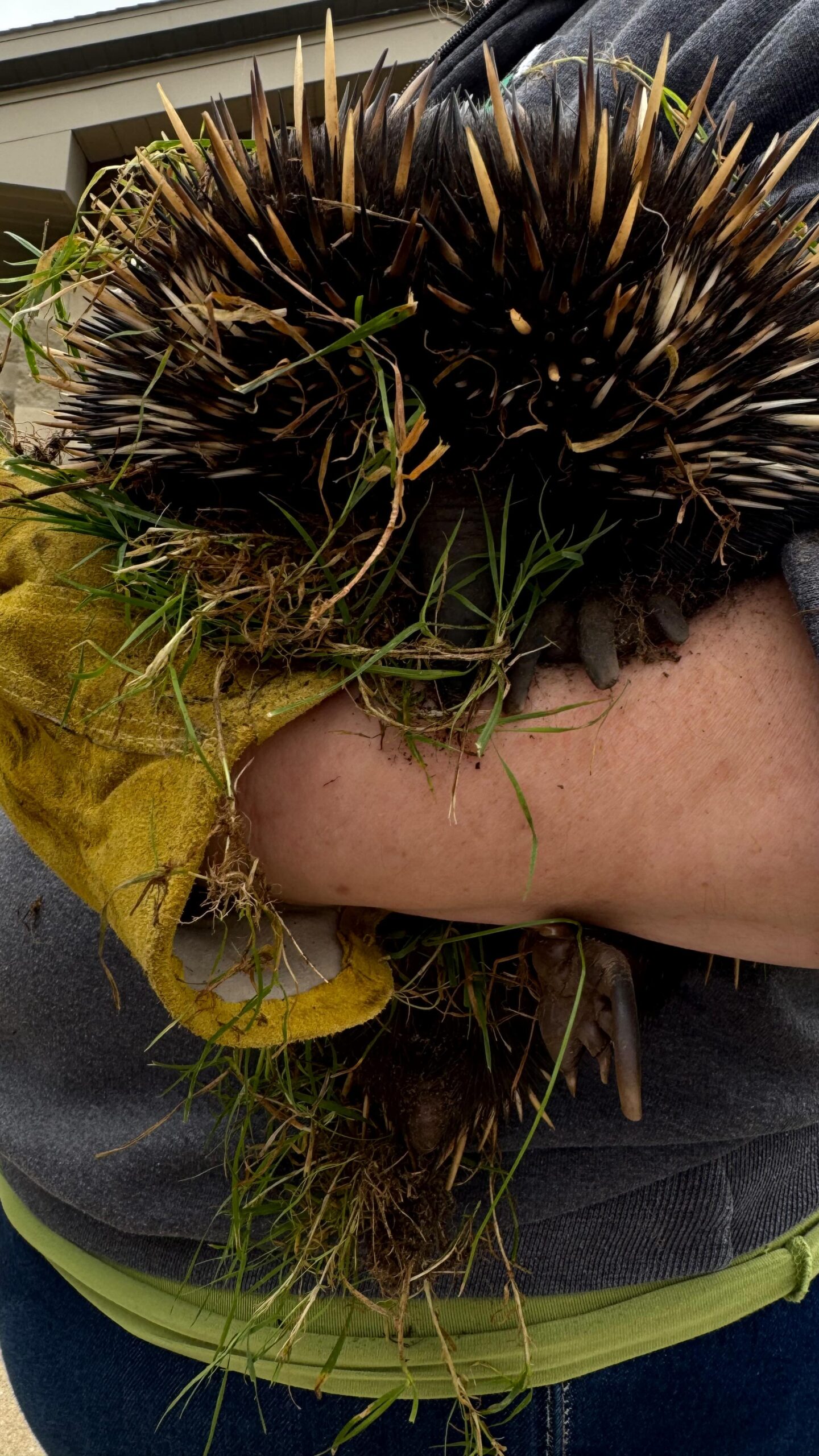
- Echidnas inhabit various biomes across Australia, Indonesia, and New Guinea.
- Females lay a single egg, utilizing a temporary pouch that forms after mating.
- The young echidnas are referred to as puggles upon hatching.
- Puggles “sweat” milk for nourishment instead of nursing from nipples.
- The short-beaked echidna is of least concern for extinction, while the long-beaked echidna faces greater threats.
Echidnas are intriguing mammals that belong to the monotreme group, which lays eggs rather than giving birth to live young. This characteristic places them in a rare category among mammals. They are mostly recognized for their spiny coats and elongated snouts, features that help them thrive in different environments.
Echidnas are primarily distributed across various biomes in Australia, parts of Indonesia, and New Guinea. They flourish in environments ranging from arid deserts to lush rainforests. Their adaptability to different habitats showcases their resilience and unique evolutionary traits. The short-beaked echidna, the more commonly known species, can be found across the Australian continent, often favoring areas with ample insect populations. Their presence in such diverse habitats highlights their ecological importance and provides crucial indicators of environmental health.
In terms of reproduction, the female echidna displays fascinating behaviors compared to more common mammals. After mating, a female echidna develops a temporary pouch, which serves a critical role in the incubation of her egg. Unlike many other mammals that give birth to multiple offspring, the echidna typically lays a single egg, usually during the colder months. This egg is deposited into the pouch, where it remains safe until it hatches. The design of this pouch is an evolutionary advantage, allowing the mother to protect her young in a nurturing environment until the puggle is ready for its first steps.
Upon hatching, the baby echidnas, nicknamed puggles, emerge in a highly undeveloped state. Puggles are quite small, resembling jellybeans with soft skin instead of a spiny exterior. They rely entirely on their mother for sustenance during this vulnerable phase of life. However, unlike most mammals, echidnas do not possess nipples. Instead, mother echidnas produce a fluid that is secreted from their skin, resembling sweat, rich in nutrients. Puggles lap up this fluid for nourishment, which is essential for their growth and development during the early weeks of life. This unique adaptation is astonishing, showcasing an evolutionary innovation that sets echidnas apart from other mammals.
Regarding conservation status, the short-beaked echidna is considered of least concern by the International Union for Conservation of Nature (IUCN). While they are relatively abundant and adaptable, various threats to their habitats still exist due to human activity and climate change. Conversely, the long-beaked echidna, found predominantly in New Guinea and surrounding regions, faces a more precarious future. Its populations are classified as vulnerable to critically endangered, largely due to habitat loss and poaching. Conservation efforts for this species are crucial, as they serve both ecological and cultural significance in the regions they inhabit.
Beyond their ecological roles, echidnas also contribute to our understanding of evolutionary biology. Their unique reproductive methods and anatomical features provide critical insights into the development of mammals. By examining echidnas, scientists can explore fundamental questions about the transition from reptiles to mammals, particularly in regard to egg-laying and milk production.
Moreover, echidnas play a pivotal role in ecosystem dynamics. As insectivores, they help control insect populations, which can otherwise become unbalanced in their native environments. Their foraging behavior, which includes using their specialized snouts to unearth ants and termites, contributes to soil aeration and nutrient cycling. This behavior benefits the surrounding flora and overall ecosystem health.
Educational initiatives like World Echidna Day can foster greater awareness about the significance of echidnas and the conservation challenges they face. Engaging with the public through interactive exhibits, guided tours, and informational campaigns encourages a deeper appreciation for these remarkable creatures. Strengthening community involvement is paramount to bolstering conservation efforts. Individuals who understand the vital role echidnas play in their ecosystems are more likely to take steps toward protecting their habitats.
Interestingly, echidnas exhibit remarkable adaptations to their environment. Their spiny coats serve multiple purposes, including camouflage and protection against predators. Additionally, their ability to dig allows them to seek refuge from threats, as well as to find food underground. They rely heavily on their keen sense of smell, which aids them in locating prey. In an era marked by environmental changes, studying their adaptive mechanisms offers valuable lessons on resilience.
The fascinating world of echidnas does not end here. Their behavior, life cycle, and ecological roles contribute to a more profound understanding of biodiversity and species interdependence. Every echidna is part of a larger narrative that illustrates the importance of maintaining ecological balance.
For those interested in wildlife conservation, supporting organizations focused on protecting echidnas and their habitats can make a noticeable impact. From habitat restoration to educating the next generation of environmental stewards, every effort counts in sustaining this remarkable species.
At the end of the day, echidnas stand as remarkable examples of nature’s ingenuity. They embody a unique blend of characteristics that have enabled them to survive and thrive in a variety of habitats. Engaging with this gentle creature invites us to reflect on the interconnectedness of all living beings and our collective responsibility to protect our planet.
As we observe special days like World Echidna Day, let us commit to being advocates for wildlife and ecosystems. Each small action contributes to a larger narrative of conservation, helping to secure a future where echidnas and countless species continue to enrich our natural world.
Whether you’re a casual observer or a dedicated wildlife enthusiast, there is always something new to learn about echidnas. They remind us to appreciate the diversity of life and the myriad ways that living organisms adapt and thrive. Each fact about echidnas brings us one step closer to understanding the biological wonders that share our planet.
*****
Source Description
What does Education Curator Amanda have? It’s not a porcupine, it’s not a hedgehog, it’s Teddy, the short-beaked echidna! Today is World Echidna Day, a great time to learn about this incredibly unique species! Here are five fascinating things about this species.
1. Echidnas are found in many biomes throughout Australia, as well as parts of Indonesia and New Guinea.
2. Females lay a single egg instead of birthing live young, and they lay their egg in a little pseudo-pouch that only develops after mating.
3. When they hatch, baby echidnas are called puggles.
4. Puggles don’t nurse in the traditional sense, because echidnas don’t have nipples. Instead, they “sweat” milk.
5. Although short-beaked echidnas are considered of least concern for extinction, the species of long-beaked echidna are vulnerable to critically endangered.
What are you most surprised about echidnas?
