
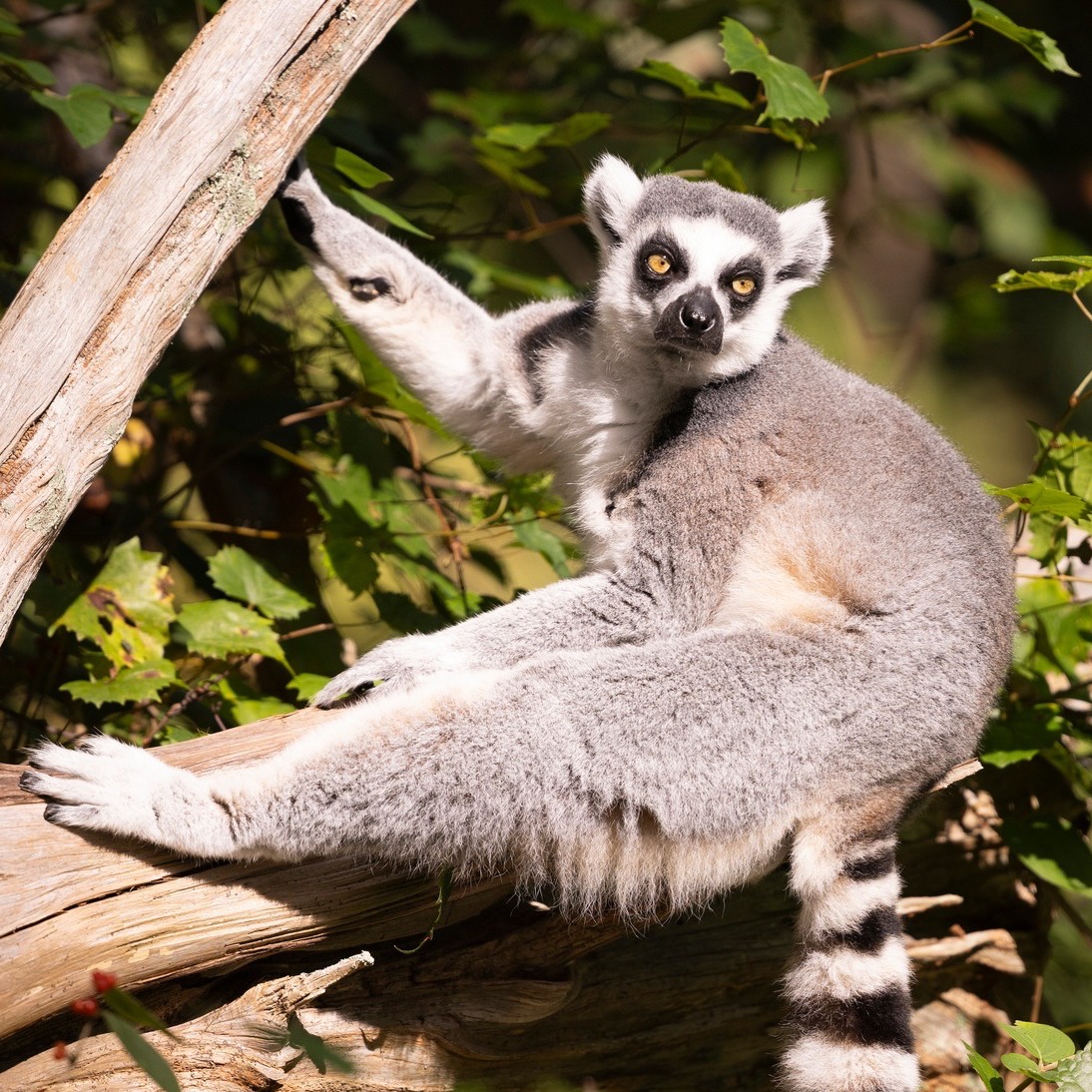
- Randy’s role in the Species Survival Plan (SSP) for ring-tailed lemurs
- Insights into the social structure and behavior of ring-tailed lemurs
- The importance of conservation efforts for endangered species
- Randy’s relationship with his offspring and mates
- How symbolic adoption supports wildlife care and conservation
Meet Randy the Ring-tailed Lemur, a 19-year-old male residing at the Duke Lemur Center. He has been an integral part of the ring-tailed lemur Species Survival Plan (SSP) since 2010. This initiative, established to manage and conserve endangered species populations, focuses particularly on those at risk of extinction due to habitat loss, hunting, and other threats. Randy’s participation in the SSP is significant not just for his own lineage, but also for enhancing the genetic diversity within the ring-tailed lemur population. His genetic contributions help maintain a healthy and viable captive population, serving as a buffer against extinction in the wild.
Randy is a remarkable individual. Since 2010, he has fathered 20 offspring. Most male lemurs exhibit less involvement in parental duties, leaving maternal care primarily to the females. In contrast, Randy is a standout ‘super dad,’ taking an active role in grooming and caring for his young. His dedication ensures that his offspring are well socialized, which is crucial for their development. By directly engaging in the rearing of his young, Randy enhances their survival skills, preparing them for life both in captivity and potentially in reintroduction programs.
Understanding the social structure of ring-tailed lemurs is essential for grasping their behavioral ecology. Ring-tailed lemurs live in matriarchal groups, where females dominate social hierarchies. Males like Randy often display strong alliances with females and other group members, facilitating a cohesive social dynamic. Their social behaviors include grooming, vocal communication, and scent-marking, all of which play pivotal roles in their interactions. Grooming serves as both a hygiene practice and a means of establishing social bonds. In contrast, vocalizations range from alarm calls to affectionate sounds, enabling lemurs to communicate effectively within their groups.
Conservation of ring-tailed lemurs, like Randy, is urgent. Listed as endangered, their numbers have drastically declined due to habitat destruction, primarily driven by agriculture and illegal logging in their native Madagascar. The threats they face can lead to a genetic bottleneck, making it critical to maintain genetic diversity through programs like the SSP. Various organizations, including the Duke Lemur Center, work tirelessly to promote awareness and support conservation efforts. Through education, research, and public outreach, these institutions strive to inspire action toward preserving this beloved species.
Randy’s home is shared with 20-year-old Sophia and four of their daughters, which serves as a microcosm of ring-tailed lemur family dynamics. Family bonds are paramount in their society, influencing social interactions and reproductive strategies. Strong maternal care often fosters a stable environment for young lemurs, and Randy’s supportive role amplifies this dynamic. His laid-back personality makes him an ideal companion within the group, creating a peaceful atmosphere that benefits all members.
Beyond his captivating persona and rich social life, Randy has become a symbol of conservation efforts. His story resonates with the public and provides an opportunity for individuals to engage with wildlife conservation on a personal level. Those looking to support the care and conservation of the world’s most endangered mammals can symbolically adopt Randy. This program offers not just the chance to financially support the Duke Lemur Center but also educates the public about the importance of wildlife conservation and the role individuals can play in it. Adopting Randy comes with a plush lemur, giving supporters a tangible connection to his story while promoting awareness around the protection of lemurs.
Randy represents a continuum of species survival efforts that rely on both captive breeding programs and habitat protection in the wild. The relationship between captive populations and their wild counterparts is critical, as breeding programs like the SSP can bolster wild populations when properly managed. Ensuring that we maintain diverse genetic lines through careful management enhances the resilience of species. It is vital for conservationists to collaborate with governments, local communities, and other organizations to combat the threats facing ring-tailed lemurs and their habitats.
Through initiatives that promote public awareness, support policy changes, and foster local engagement, conservation organizations can create pathways to protect species like Randy and his fellow lemurs. This multifaceted approach is essential for integrating community efforts, scientific research, and educational outreach, ultimately fostering stewardship.
Randy’s story is an inspiring example of how individual animals can influence broader conservation efforts. By sharing his experiences and nurturing his offspring, he demonstrates the value of parental care and social structures within lemur populations. This knowledge is indispensable for researchers and conservationists working to understand and mitigate the challenges these animals face.
Public support plays a crucial role in the success of conservation initiatives. Individuals who adopt Randy are not just helping him; they are contributing to a larger cause aiming to protect a species on the brink of extinction. Every dollar funds care, maintenance, and conservation initiatives, directly benefiting the lemurs at the Duke Lemur Center.
Adopting Randy symbolizes a commitment to wildlife protection. It fosters a connection between humans and nature, inspiring action that spans beyond individual contributions. By engaging in wildlife adoption programs, people help cultivate an awareness that can lead to more significant change in public attitudes toward conservation.
Randy the Ring-tailed Lemur has become a beloved figure at the Duke Lemur Center, embodying both the challenges and triumphs of wildlife conservation. His story sheds light on the intricacies of species management, the importance of social bonds, and the collective responsibility we share in protecting endangered species. As we admire Randy and his captivating antics, we must also remember the plight of these incredible creatures in the wild and the urgent need for collective action to safeguard them for future generations.
The insights gained from studying Randy and other ring-tailed lemurs will form the backbone of ongoing research and conservation strategies that inform best practices for captive and wild populations alike. By continuing to gather valuable data on their behavior, reproduction, and social interactions, conservationists can not only ensure the survival of ring-tailed lemurs like Randy but also support broader wildlife ecosystems.
Through efforts that combine scientific rigor, public engagement, and grassroots activism, the future of ring-tailed lemurs remains hopeful. Randy’s legacy will extend far beyond his years, inspiring new generations of conservationists and enthusiasts dedicated to the preservation of biodiversity and wildlife.
As you explore opportunities to help support Randy and his fellow lemurs, remember that every contribution counts. Whether through symbolic adoption or spreading the word about conservation initiatives, each effort strengthens the collective fight to preserve the blue skies and lush forests that once flourished in Madagascar, the natural home of the ring-tailed lemur.
*****
Source Description
Meet Randy the Ring-tailed Lemur! 💙
➡️ lemur.duke.edu/adopt
19-year-old Randy has been contributing to the ring-tailed lemur Species Survival Plan (SSP) since 2010, when the first two of his 20 total offspring were born. This super dad is far more involved with his offspring than most ring-tailed sires, often helping his mates groom and care for their infants. He currently lives with 20-year-old Sophia and four of their daughters. Randy is a laid-back individual who loves sunning and snacking, and he is a favorite among staff members for his luscious tail and go-with-the-flow attitude 😊
Want to keep up-to-date with Randy while supporting the care and conservation of the world’s most endangered mammals? You can symbolically adopt Randy (and take home your own plush version of this handsome ring-tailed lemur!) in person at our Lemur Landing Gift Shop or online at lemur.duke.edu/shop ✨
📸: @doggiephotographer
