
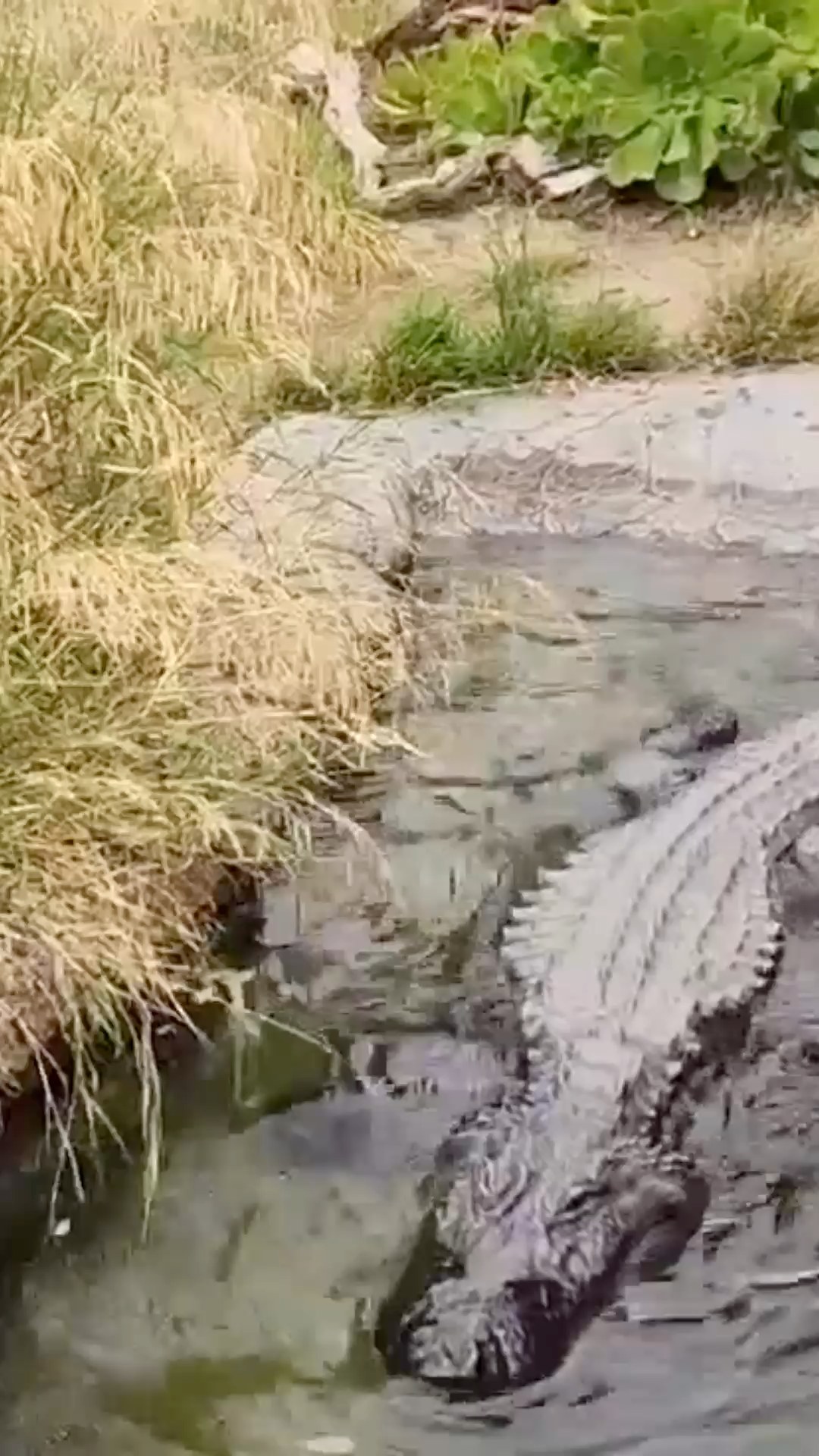
- American alligators’ dietary preferences and behaviors
- The role of enrichment activities in alligator care
- The nutritional value of pumpkins versus meat
- Conservation implications for alligator habitat
- The educational value of observing alligator interactions
American alligators, known scientifically as Alligator mississippiensis, are apex predators naturally adapted to a carnivorous diet. While they might exhibit a preference for meat, offering pumpkins at zoos or in controlled environments serves a distinct purpose beyond mere feeding. The introduction of non-traditional food items like pumpkins enhances their overall well-being through enrichment activities. This article explores the dietary habits of alligators, the importance of enrichment, and the educational and conservation insights that arise from observing these fascinating creatures with unexpected elements like pumpkins.
American alligators primarily consume fish, birds, and small mammals in the wild. As opportunistic feeders, they adapt their diets based on the availability of prey. Their powerful jaws and sharp teeth allow them to capture and hold onto prey effectively. In zoos, their diet typically includes meat, fish, and fortified pellets that meet their nutritional needs. However, the addition of pumpkins introduces a novel element, prompting alligators to interact with their environment in different ways.
Pumpkins may not offer substantial nutritional value compared to meat, but they can serve as a source of fiber and vitamins. Unlike their usual prey, pumpkins contain less protein, which is essential for alligator growth and development. Nevertheless, introducing pumpkins diversifies their stimuli, encouraging natural behaviors such as scavenging and manipulation of objects. Such activities are essential for the mental and physical health of alligators in captivity.
Enrichment activities play a vital role in improving the quality of life for animals held in captivity. The primary objective is to encourage animals to exhibit natural behaviors that may not be possible in a confined space. For American alligators, these behaviors might include climbing, swimming, or interacting with objects. By challenging them physically and mentally, zookeepers provide environments that mimic their natural habitats, taking important steps toward their welfare.
Pumpkins, while not a staple of the alligator diet, can stimulate curiosity and offer engaging activities. When tossed into an enclosure, these colorful gourds can incite exploration and play. Alligators might bite, push, or even disassemble pumpkins, reversing the standard behavior associated with food—consumption. This playful interaction promotes physical exercise, cognitive engagement, and social interaction, all of which are crucial for the overall enrichment of captive alligator populations.
Observing these interactions provides rich educational value for zoo visitors. When alligators engage with pumpkins, they embody the essential aspects of their natural roles as predators and scavengers. Educators can use these moments to illustrate discussions on animal behavior, ecology, and conservation. These experiences foster a deeper understanding of the species while highlighting the importance of maintaining biodiversity.
In addition to the educational benefits, the use of pumpkins exemplifies the intersection of animal care and conservation. Natural habitats for American alligators are increasingly threatened by habitat loss, pollution, and climate change. Many zoos and aquariums are committed to conservation efforts aimed at protecting these habitats. By providing a caring environment and educational opportunities about alligators, visitors become more aware of the environmental challenges these creatures face.
Educational programs often include discussions about the ecosystems where alligators thrive, emphasizing their crucial role as apex predators. This opens up a larger conversation about the balance of ecosystems, the importance of preserving wetlands, and the responsibilities we bear in conserving wildlife. By witnessing American alligators interact with pumpkins or other enrichment items, the public gains insights into the species’ complex ecological role.
Moreover, the practice of introducing pumpkins lends itself to discussions about wildlife management and the sustainable use of resources. In the wild, alligators play a critical role in maintaining the health of their habitats. Their predation helps regulate populations of prey species, thereby influencing the vegetation and overall biodiversity within their ecosystems. By illustrating these connections, visitors become more conscious of the integrated nature of wildlife and their environments.
In considering the overall health and management of American alligators, zoos strive to maintain balanced diets and appropriate care regimens. Nutritional needs diverge from those found in the wild due to the artificiality of captivity, and meat remains central to their diet. However, incorporating items like pumpkins as an enrichment tool highlights the continual pursuit of innovative animal care practices, aligning with both the welfare of the animals and the educational mission of the institution.
Understanding American alligators within the context of their habitats and dietary preferences is essential for fostering conservation efforts. As public interest grows, discussions about the impact of climate change on wetlands and alligator populations gain importance. Public education about species such as the American alligator focuses on their ecological significance, the challenges they face, and the strategies deployed by conservationists and zookeepers alike.
Pumpkins as enrichment may appear whimsical, but they encapsulate the serious undertones of animal welfare and conservation education. Engaging animals in activities that invigorate their instincts fosters observable behaviors that inform scientific research and enrich our understanding of alligator ecology. Notable insights emerge from watching American alligators interact with enrichment items, as they mimic behaviors that showcase their adaptability and intelligence.
The use of pumpkins also aligns with seasonal events, such as Halloween, when this gourd is widely available. Such timely connections enrich educational programs and inspire creative storytelling around wildlife and respect for nature. The seasonal aspect enhances public engagement, drawing visitors who are interested in animal behaviors during times of change.
American alligator conservation is closely tied to public perception, and enrichment activities contribute to fostering positive associations with wildlife. Educational outreach focused on animal care and environmental stewardship encourages active participation in conservation initiatives. Captive animals serve as ambassadors for their wild counterparts, offering valuable lessons about the interconnectedness of ecosystems.
Through careful management and innovative enrichment practices, zoos facilitate meaningful connections between the public, animals, and their habitats. The popularity of alligators, paired with their ecological influence, presents opportunities for zoos to drive impactful conservation messaging. Observing how American alligators react to enrichment tools, such as pumpkins, creates memorable experiences and lasting impressions on visitors.
In the broader context of wildlife conservation, engaging public interest is crucial for raising awareness and encouraging active participation in efforts to protect natural habitats. The creativity employed in animal care resonates with audiences, documenting real-time interactions and emphasizing the significance of caring for wildlife.
The introduction of pumpkins as an enrichment tool for American alligators illustrates a combination of behavior, nutrition, and conservation education. Though these reptiles predominantly favor meat as part of their integral diets, the playful nature of pumpkins serves a broader purpose, enriching their lives in captivity and supporting vital communication channels about their ecological roles and conservation needs.
By integrating animal care with innovative education and outreach strategies, zoos contribute to positive perceptions of wildlife conservation. The playful interactions between American alligators and pumpkins provide an engaging lens through which we can understand the intricacies of animal behavior and the importance of preserving their natural environments. The cycle of education, engagement, and conservation becomes a collective responsibility that benefits not only alligators but also future generations and the ecosystemic balance of nature.
*****
Source Description
Bayou the American alligator may prefer meat over pumpkins for eating, but pumpkins sure make for a fun enrichment activity to play with 🐊 🎃
📹: Zoo Registrar Emily
