
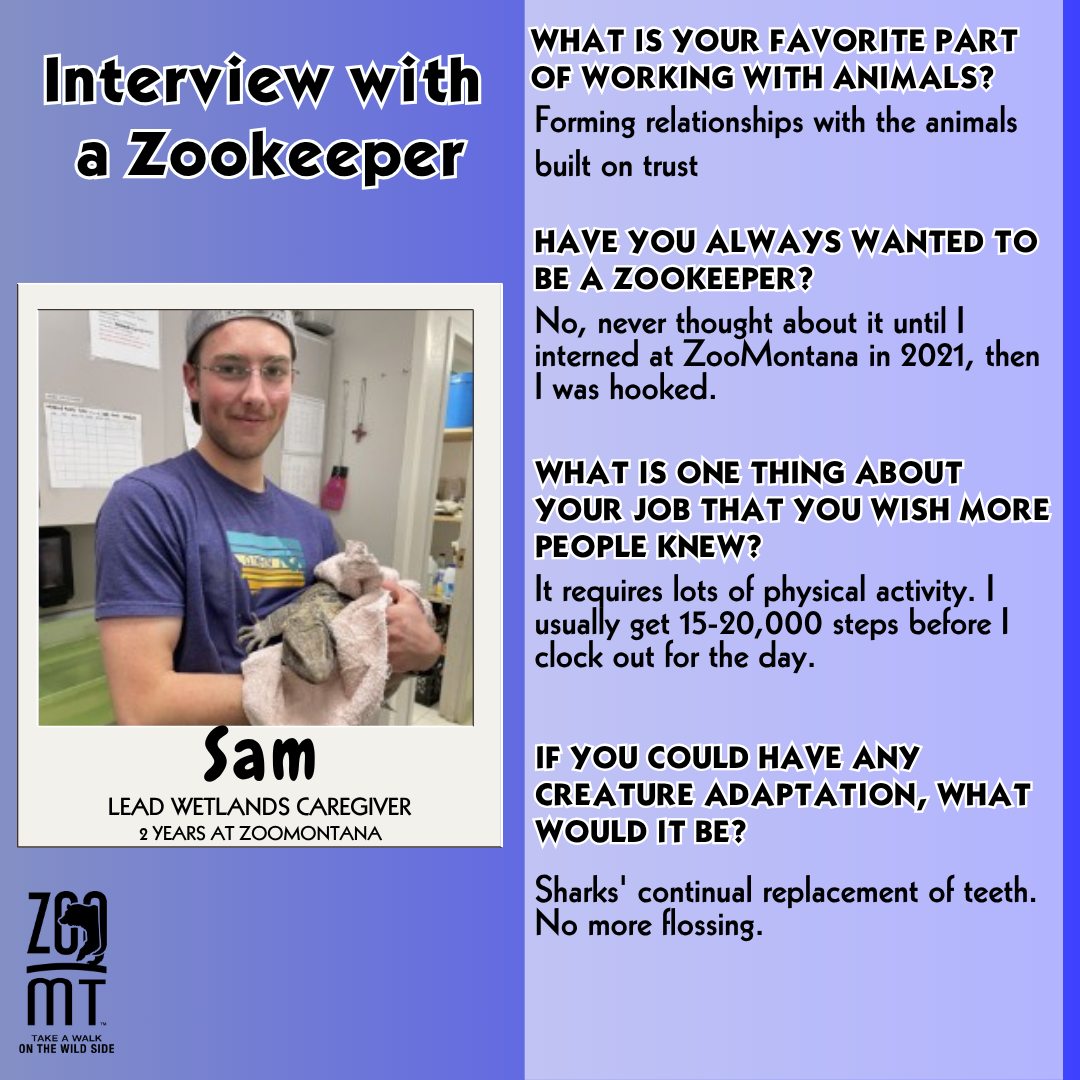
- Sam’s Role as Lead Caregiver: Responsibilities and Daily Operations in the Wetlands Area
- Species Management: Unique Needs of Otters, Birds of Prey, and Other Wetland Animals
- Conservation Efforts and Animal Welfare: Impact and Importance in Modern Zoology
- The Balance of Education and Entertainment in Zoo Settings
- Community Engagement and the Role of Zoos in Public Awareness and Conservation
Sam’s Role as Lead Caregiver: Responsibilities and Daily Operations in the Wetlands Area
As the Lead Caregiver of the Wetlands, Sam plays a crucial role in managing a diverse group of animals. The wetlands comprise varied species such as otters, a bald eagle duo, a badger, a golden eagle, a turkey vulture, and a barn owl. Each species requires specific care, ranging from habitat maintenance to comprehensive feeding schedules.
Sam’s day begins with thorough evaluations of all animal habitats, ensuring cleanliness and safety. This helps prevent disease and ensures a conducive environment for animal health. Regular inspections also allow Sam to monitor animal behaviors, identifying any signs of stress or illness early. Responsibilities extend to developing feeding regimens that not only satisfy dietary needs but also stimulate natural foraging behaviors.
Species Management: Unique Needs of Otters, Birds of Prey, and Other Wetland Animals
The Wetlands area is home to a range of animals, each with distinct biological and ecological needs. Otters, for example, are incredibly active animals requiring enriched environments to satisfy their playful nature. Sam provides them with enrichment activities that mimic the challenges they face in the wild, such as puzzles to encourage problem-solving skills.
Birds of prey like the bald eagle and golden eagle have different requirements. Their care necessitates special attention to flight enclosures where they can exercise their wings. Maintaining their enclosures to reflect natural hunting grounds helps keep these powerful birds mentally and physically fit. Sam collaborates with veterinary staff to establish a diet primarily composed of rodents and fish, mirroring their natural food sources.
The badger, with its nocturnal habits, presents additional layer of complexity. Sam ensures that the badger’s habitat reflects its need for digging and exploration. Providing a network of tunnels and adequate hiding places is key to keeping the badger’s instincts sharp.
Conservation Efforts and Animal Welfare: Impact and Importance in Modern Zoology
Conservation is at the forefront of Sam’s duties as a Lead Caregiver. Part of Sam’s work involves participating in breeding programs aimed at preserving endangered species. By working closely with conservation organizations, Sam contributes to broader global efforts to maintain biodiversity.
Promoting health and wellness in zoo animals supports conservation by acting as an insurance policy for species survival. Sam’s dedication ensures that animals in human care are viable representatives of their species. The focus on animal welfare is integral not just to the physical health of the animals but also to their psychological well-being. Techniques such as positive reinforcement training allow Sam to perform health checks with minimal stress, reducing the need for sedation or restraint.
The Balance of Education and Entertainment in Zoo Settings
Zoos serve as a bridge between the public and wildlife, providing an educational platform that raises awareness of conservation issues. Sam’s role includes guiding educational tours and creating informational displays about the inhabitants of the Wetland area. This educates visitors, enhancing their understanding of each species’ ecological importance.
While educational value is essential, entertainment also plays a role in engaging the public. Sam’s challenge is to balance these elements, ensuring that entertainment does not overshadow the educational purpose. Interactive exhibits are designed to captivate audiences while providing scientific insights into animal behavior and conservation efforts.
Community Engagement and the Role of Zoos in Public Awareness and Conservation
Beyond the fences of the zoo, Sam actively participates in community programs. This includes guest lectures, school visits, and collaboration with local conservation projects. Through these efforts, zoos foster a connection between the community and wildlife conservation, inspiring people to contribute to environmental sustainability.
By sharing successes and challenges alike, Sam helps build a broader understanding of how individual actions impact the planet. Zoos play an essential role in conservation not just by caring for animals, but by instilling a sense of responsibility in visitors. Sam’s work exemplifies the zoo’s mission to nurture an informed public that values and actively contributes to wildlife preservation.
In summary, Sam’s dedication and multifaceted role as Lead Caregiver enrich both the animals’ lives and the community’s connection to wildlife. His expertise in managing diverse species, commitment to conservation, and ability to educate the public underscore the vital role zoos play in global efforts to protect our planet’s diverse ecosystems.
*****
Source Description
For our last and final day of National ZooKeeper Week spotlights, we have Sam🦦
Sam is the Lead Caregiver of the Wetlands area, which includes the otter family, bald eagle duo, badger, golden eagle, turkey vulture, and barn owl! Thank you for helping us shower our team in love this week – they deserve it for all the dedication put into the health and wellness of the animals we love so much.
