
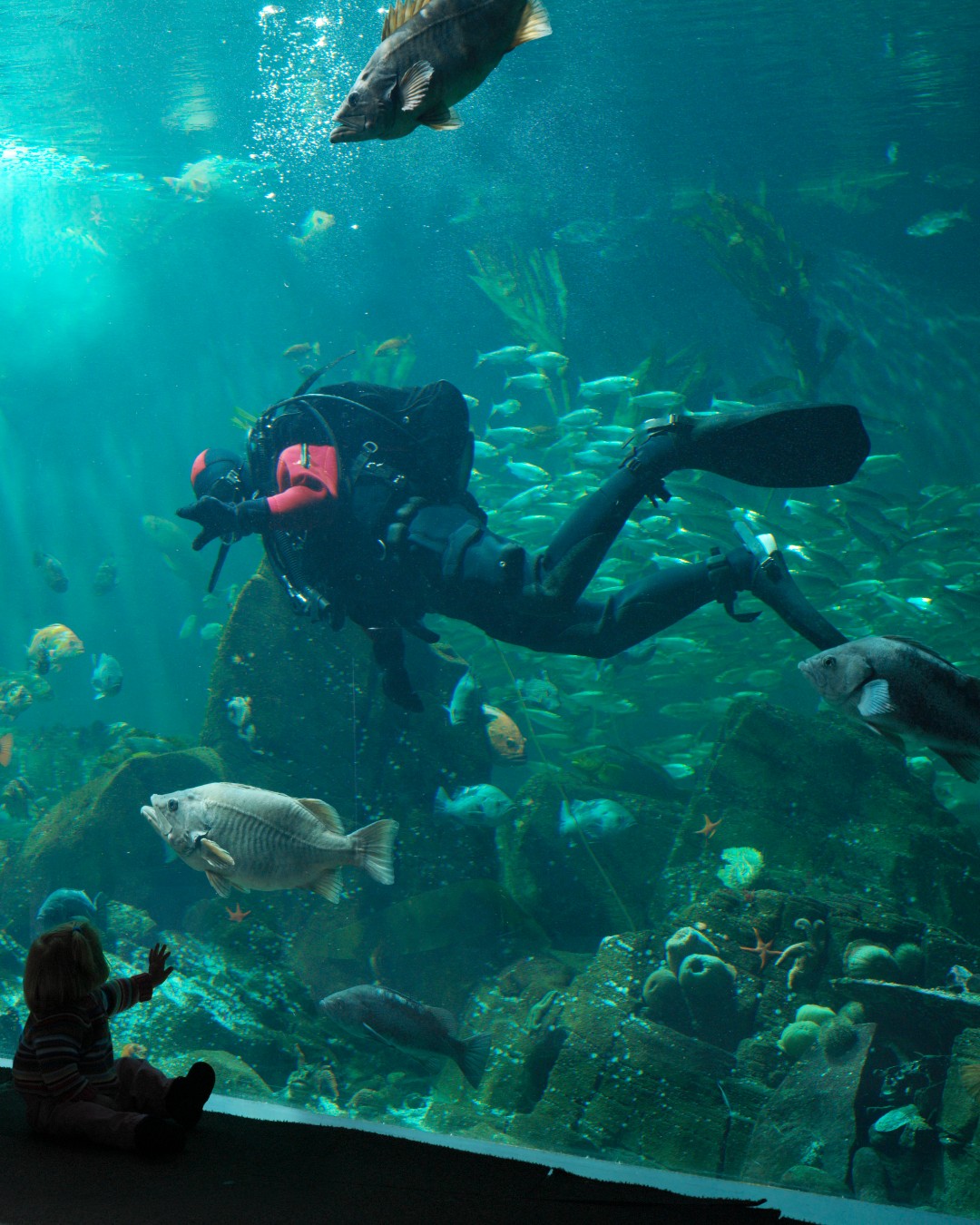
- Acknowledgment of the animal care team’s role
- Overview of animal care standards and practices
- Impact on animal welfare and conservation
- Collaboration across departments
- Future initiatives and the importance of continuous training
The success of any animal care facility hinges on the dedication and expertise of its staff. At the Vancouver Aquarium, the animal care team encompasses a diverse group of professionals working tirelessly to uphold the highest standards of care for over 65,000 animals. This commitment not only reflects the team’s passion but also their extensive knowledge in zoology, animal husbandry, and conservation.
Animal care at the Vancouver Aquarium is governed by well-defined standards and practices. These protocols serve as a foundation for daily operations, ensuring that each species receives specialized attention based on its unique needs. Experts in aquatic biology, veterinary medicine, and environmental science collaborate to craft an intricate plan for health monitoring, nutrition, and enrichment. For instance, dietary formulations are researched and tested to meet the specific nutritional requirements of various species. This level of detail is essential in preventing malnutrition and related health issues, highlighting the importance of tailoring care to diverse animal populations.
Animal welfare is paramount to the mission of the Vancouver Aquarium. The institution adheres to guidelines provided by various accrediting bodies, including the Association of Zoos and Aquariums (AZA). These guidelines incorporate principles of animal behavior, health, and wellbeing. Regular assessments evaluate living conditions, social structures, and behavioral enrichment opportunities within enclosures. The constant monitoring of health status helps identify potential concerns before they escalate. In effect, this proactive approach safeguards the health of each animal, supporting their ability to exhibit natural behaviors and interact with their environment positively.
A significant aspect of the animal care team’s effectiveness is their collaboration across different departments. The veterinary staff plays a crucial role alongside the care staff, working closely to implement health assessments and medical interventions. Animal care specialists are trained to recognize signs of illness or distress, and they promptly communicate these concerns with the veterinary team for further examination. Moreover, the education department focuses on outreach initiatives, teaching the public about marine ecosystems and conservation efforts. This interconnectedness enriches the overall mission, fostering an environment where every staff member contributes to animal welfare and community education.
As wildlife conservation becomes increasingly urgent, the Vancouver Aquarium fosters partnerships with external organizations. These alliances enhance the institution’s broader conservation goals. Participating in field research, rescue operations, and breeding programs for endangered species illustrates this commitment. For example, certain species may be bred in captivity with the aim of reintroducing them into their natural habitats, thus contributing to sustainable population growth. Each initiative requires the expertise of the full spectrum of team members, from caregivers to researchers, to implement best practices and evaluate outcomes.
Looking toward the future, the Vancouver Aquarium is dedicated to continuous training and development for its animal care team. New research in animal husbandry and conservation-related topics emerges consistently, emphasizing the need for lifelong learning. The aquarium facilitates workshops, seminars, and hands-on training sessions to keep staff members informed of the latest findings and techniques. This ensures that the care provided reflects evolving standards and enhances the overall welfare of the animals. By investing in the professional growth of their team, the aquarium fosters a culture of innovation, leadership, and effectiveness.
The attentive roles of the animal care team cannot be overstated. Each member brings a wealth of knowledge and experience, contributing to a robust system dedicated to both animal welfare and education. The aquarium provides a vital platform for providing essential care, fostering public awareness, and shaping the future of wildlife conservation. The achievements in animal care, represented by an unwavering commitment to excellence, highlight the significance of the aquarium in the context of marine education and environmental stewardship.
Understanding the ecosystems in which these animals thrive is fundamental to their care. The Vancouver Aquarium focuses on understanding marine habitats more comprehensively. By replicating an animal’s natural environment within the confines of the aquarium, experts create enclosures that allow for species-specific behaviors. For instance, providing appropriate substrates, temperature gradients, and water quality parameters guarantees that fish and other marine animals can thrive.
Animal enrichment is also a key consideration. Enrichment practices encourage natural behaviors and cognitive stimulation. This could involve subtle modifications to their physical environment, incorporating complex structures for exploration, or utilizing novel objects within habitats to stimulate curiosity. Animals that can express natural behaviors tend to exhibit lower stress levels and improved overall well-being, reinforcing the importance of a thoughtful approach to care.
Routine health evaluations are conducted for all animals, further exemplifying how the team diligently manages animal welfare. These include physical exams, vaccination protocols, and preventative care measures. Veterinary professionals perform regular screenings to monitor the well-being of both individual animals and population health within the aquarium. Staff members are trained to provide necessary medical treatment and ensure that animals recover in a stress-free environment.
Collaboration extends beyond the aquarium’s walls. Veterinarians and animal care professionals often engage with universities and research institutions, staying at the forefront of scientific advancements in both animal care and conservation. This not only informs best practices at the aquarium but also contributes to the global body of knowledge that promotes wildlife conservation.
The aquarium’s education department plays a pivotal role in fostering community involvement and inspiring future generations. Through programs designed for school groups, families, and the general public, the aquarium bridges gaps in knowledge about marine conservation and the importance of biodiversity. Interactive exhibits allow visitors not only to observe but also to engage with marine life. This immersive experience helps cultivate an appreciation for the natural world, emphasizing human responsibility in protecting these ecosystems.
Volunteering and internship programs allow members of the community to get involved. By participating, they gain valuable insights into animal care and conservation efforts. This hands-on approach transforms a passive audience into active advocates for marine conservation. The ripple effect of this educational outreach leads to increased awareness and advocacy for marine and environmental issues.
In addressing conservation challenges, proactive measures are taken. The aquarium actively participates in species recovery programs, which target at-risk and endangered marine species. These collaborative efforts include habitat restoration, public advocacy, and support for legislative policies that protect marine environments. The commitment to wildlife rehabilitation conveys a message of hope, illustrating that with collective action, positive change can occur.
The Vancouver Aquarium also monitors its ecological footprint, aiming to set an example for sustainability in operations. Recycling programs, renewable energy initiatives, and sustainable sourcing for food and materials are all part of their strategy. Educating staff and visitors about sustainable practices enhances community engagement and promotes environmentally sound choices.
As communities worldwide face growing environmental challenges, the aquarium’s commitment remains unwavering. The extensive animal care team is integral to these efforts, translating scientific knowledge into actionable practices that benefit both the animals and their habitat. Continual development and adaptation of care practices reflect a deep understanding of the interdependence of animals and their environments.
The additional emphasis on research and education reveals a future direction for the Vancouver Aquarium. By investigating marine ecosystems and relationships within, the aquarium aims to inform not just its own practices, but those of educational institutions and conservation groups worldwide. This collaborative approach to knowledge-sharing forms a foundation for addressing the pressing conservation challenges.
The animal care team’s dedication should be celebrated, as their work extends well beyond the walls of the facility. They are advocates for the animals in their charge and champions for wider ecological health. The commitment to providing exceptional care serves as an inspiring model for zoos and aquariums globally.
The role of the Vancouver Aquarium’s animal care team illustrates the critical intersection of animal welfare, education, and conservation. It is a commitment anchored in a profound understanding of marine ecosystems and the responsibilities both professionals and communities have towards them. The insights offered by this comprehensive approach serve not only to protect marine life but also to inspire collective actions for a more sustainable future.
As we reflect on the significant contributions of the animal care team, let it serve as an invitation to everyone. Understanding, appreciating, and advocating for wildlife conservation are endeavors that can profoundly impact our environment and future generations. When animal care operates hand-in-hand with community engagement, the possibility of fostering a healthier ecosystem becomes a shared responsibility.
*****
Source Description
It’s Thank you to all the members of our animal care team across our different departments for providing the highest standard of care to the over 65,000 animals here at the Vancouver Aquarium!
