
- The fascinating biology of lumpsuckers and their adaptations to marine life
- The ecological role of sea stars in ocean ecosystems
- The significance of baby lumpsuckers in marine biodiversity
- Wildlife conservation efforts for marine species
- The impact of citizen science on marine research and awareness
The baby lumpsucker, a small, round fish known for its distinctive appearance, is often described as one of the cutest marine creatures. With a body that resembles a small green or blue ball, and the ability to cling to various surfaces thanks to its specialized sucker disc, the lumpsucker is an engaging subject for both researchers and enthusiasts alike. Baby lumpsuckers grow to about a few inches, showcasing vibrant colors that serve both as camouflage and a warning to potential predators. Their anatomy reveals a unique adaptation: their pectoral fins have evolved to help them maneuver within the water column, while their caudal fins assist with agile movements.
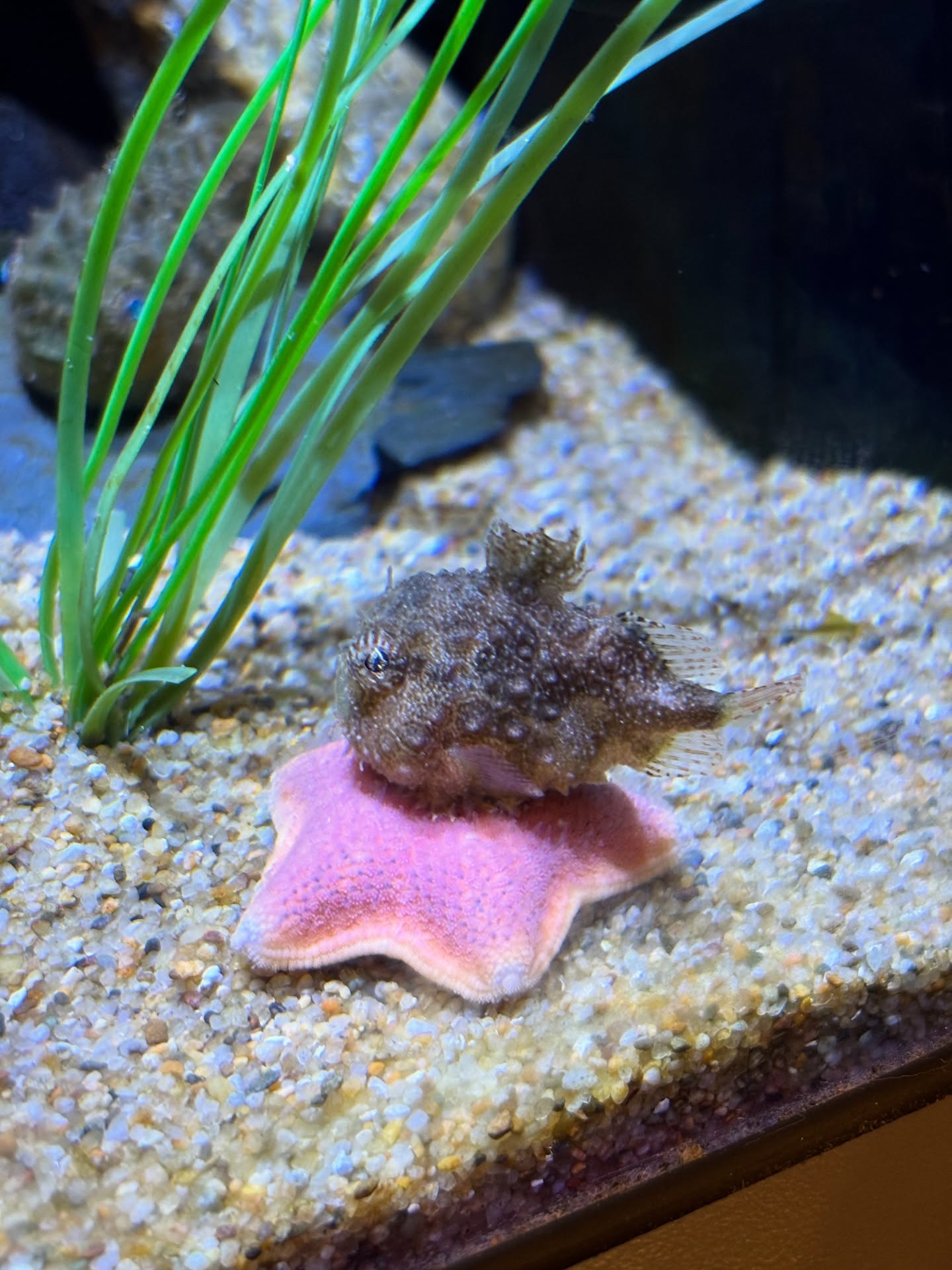
Lumpsuckers are part of the Cyclopteridae family, which includes several species found primarily in cold, Northern Hemisphere waters. Their adherence to surfaces enables them to inhabit rocky substrates, algae, and even the bodies of larger marine organisms. This leads to intriguing interactions, such as the adorable sight of a baby lumpsucker perched atop a baby sea star. These moments provide a glimpse into the often-overlooked intricacies of underwater life.
Sea stars, or starfish, play an essential role in marine ecosystems. Composed of a central disc and multiple arms radiating outward, they serve as important ecosystem engineers. They control the populations of various marine organisms, particularly mollusks, by being efficient predators. Their ability to regenerate lost limbs is another fascinating aspect of their biology. This regenerative capability not only helps them survive predation but also allows them to thrive in diverse environments, from tidal pools to coral reefs.
The baby lumpsucker on a baby sea star exemplifies the interconnectedness of marine species. Each organism plays a role in maintaining the ecosystem’s balance. The presence of a lumpsucker may provide benefits for the sea star, such as removing parasites or algae, while the sea star offers a safe haven for the young fish. This mutual relationship highlights the complexity of marine interactions and reinforces the need for conservation efforts to protect these delicate ecosystems.
Marine biodiversity is crucial for the health of our oceans. The presence of a variety of species contributes to the resilience of ecosystems, allowing them to withstand environmental changes and disturbances. Baby lumpsuckers represent just one aspect of this diversity. Every marine species, no matter how small, has a role to play. Protecting their habitats ensures that other organisms, from phytoplankton to larger marine mammals, also thrive.
Conservation efforts for marine species have increasingly gained attention over the last few decades. Organizations worldwide are dedicated to studying the impacts of climate change, pollution, and overfishing on marine life. Through research and advocacy, these groups are developing strategies to mitigate threats and promote sustainable practices. Effective conservation requires collaboration among governments, scientists, and local communities. Raising awareness about the importance of maintaining marine biodiversity can mobilize public support for protective measures.
Citizen science is revolutionizing research in marine biology. Volunteers contribute to data collection initiatives, assisting scientists in gathering information crucial for understanding marine ecosystems. These efforts can range from simple beach cleanups to more sophisticated monitoring projects. Engaging the public fosters a sense of responsibility towards the environment and encourages greater understanding of marine issues. Notably, initiatives involving species like baby lumpsuckers can ignite interest in marine life and drive conservation efforts.
The imagery of a baby lumpsucker resting on a baby sea star serves as an emotional connection for many. The cuteness factor draws people in, highlighting the need for awareness and action in marine conservation. Photos shared on social media platforms can inspire conversations about the significance of protecting marine species and their habitats. They often go viral, resulting in broader engagement and support for environmental initiatives.
As we enhance our knowledge of marine species, it becomes crucial to approach conservation with a proactive mindset. Understanding marine ecosystems enables us to address the impacts of human activity more effectively. By promoting education and advocacy, we can create a more informed public that values and respects marine life. The small, seemingly insignificant connections between species, such as those between baby lumpsuckers and baby sea stars, reinforce the idea that every organism matters in the intricate web of life.
The ecosystems in which these marine species exist are under constant threat from climate change. Rising ocean temperatures, ocean acidification, and the loss of biodiversity are just a few challenges faced by marine life today. These changes affect the distribution and abundance of species, altering the balance of marine ecosystems. It is essential to initiate efforts aimed at climate resilience in the oceans to preserve marine biodiversity.
Sustainable fishing practices are another aspect of conservation that cannot be overlooked. Overfishing has devastating effects not only on individual species but also on the entire ecosystem. Regulations that limit catch sizes, protect breeding grounds, and promote artisanship can mitigate these negative impacts. Educating both fishers and consumers about sustainable choices is vital to creating a healthier marine environment.
Government policies and international agreements play a crucial role in marine conservation. Responsible frameworks, such as marine protected areas (MPAs), are established to safeguard sensitive habitats and species from degradation. Effective management practices can contribute significantly to restoring marine populations and protecting critical habitats. Collaborative efforts across borders are often needed, as many marine species migrate through different international waters.
Education and outreach programs focused on marine life can ignite the passion for conservation among the younger generation. Schools and organizations can create hands-on programs that involve students in local marine ecology, teaching them the importance of protecting ecosystems. Such programs raise awareness and instill a sense of stewardship that can last a lifetime.
Research into marine life should continue, focusing specifically on species with unique or extraordinary characteristics, such as baby lumpsuckers. Apprenticeships, internships, and volunteer opportunities can lead to more informed professionals who will drive future conservation efforts. Prioritizing scientific studies focused on understanding marine species can ensure the long-term sustainability of ecosystems.
The baby lumpsucker’s presence on a baby sea star highlights a small yet astonishing fragment of marine life. Observing such interactions stimulates interest and curiosity about ocean creatures. Marine ecosystems are treasures that require protection and respect. The account of the baby lumpsucker and its charming marine neighbor serves as a reminder that wildlife conservation is crucial.
Engaging with marine life, whether through education, research, or conservation initiatives, shapes our understanding of what it means to coexist with the natural world. Emphasizing the relationships between species—like that of the baby lumpsucker and the baby sea star—captures the essence of the delicate balance within the ocean.
By recognizing the adorable imagery of such marine life, we can still confront the serious threats facing our oceans. Protecting marine ecosystems requires collective action from all levels of society, driven by the desire to save the beauty and biodiversity of the oceans for future generations. Through compassion, education, and commitment to conservation, we can affect positive change and ensure the survival of cherished species like the baby lumpsucker.
*****
Source Description
Proud to present the cutest thing you may ever see: a baby lumpsucker on a baby sea star. 🥹😫🤩 Photo by STEM Pathways Coordinator Candice 💫
