
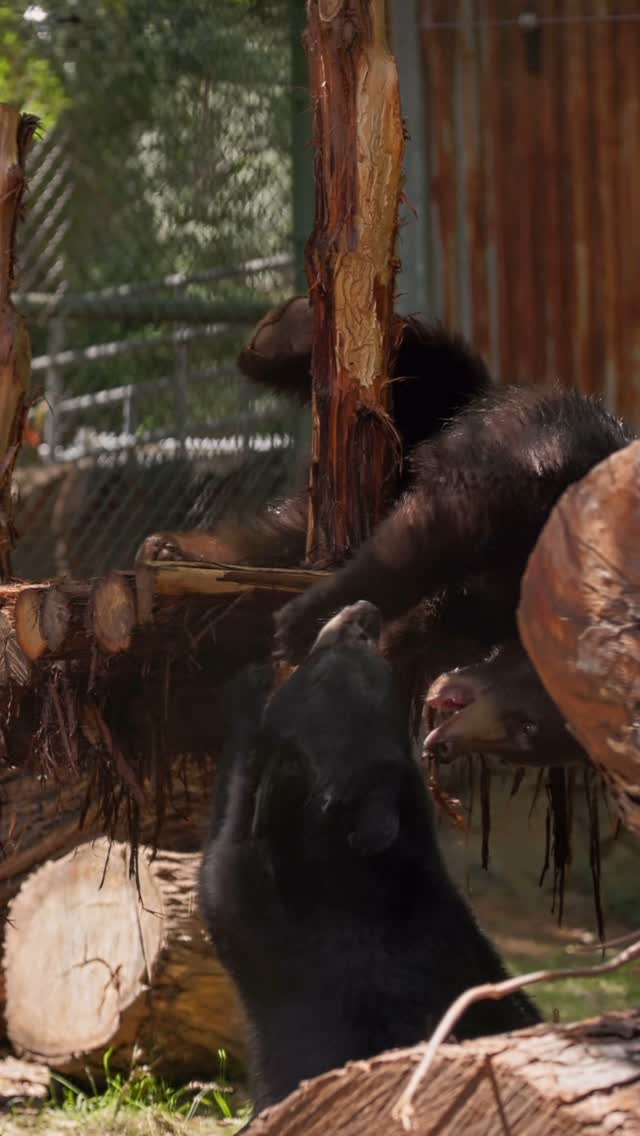
- The playful nature of bear cubs and their behavior.
- An overview of the specific species of bears showcased at the zoo.
- The importance of swimming and play in a bear cub’s development.
- The role of zoos in wildlife conservation and education.
- Upcoming events and visitor information about the bear cubs.
At the zoo, few attractions rival the charm of bear cubs engaging in their playful antics. Cinnamon and Raisin, two adorable bear cubs, embody the quintessential bear behavior seen in the wild. Their curious spirits and energetic play not only entertain but also serve educational purposes. Observing their daily activities—playing, swimming, and napping—provides a window into their development and natural behaviors.
The species of bears represented by Cinnamon and Raisin significantly shapes their playful tendencies. Both cubs belong to the American black bear species, known for their agility and adaptability. Adult black bears can weigh anywhere from 100 to 600 pounds. However, bear cubs start their lives weighing only about half a pound and rely on their mothers for nourishment and protection. Throughout the early stages of life, a mother bear is indispensable for teaching her cubs how to forage, climb, and swim. The natural instincts developed during this phase enhance their chances of survival in the wild.
Cinnamon and Raisin display behaviors common among bear cubs, partaking in play which plays a pivotal role in their growth. It may seem peculiar to outsiders, but swimming is a critical component of a bear cub’s daily activity. Swimming helps them develop strong muscles and enhance their coordination. Cubs often engage in mock wrestling and chasing games, which not only strengthen their physical capabilities but also refine their social skills. These interactions prepare them for adult life when they must compete for territory and mates.
Play is not just limited to physical activities; innovative psychological aspects come into play as well. The cubs learn problem-solving skills while figuring out how to access food or navigate obstacles. Such experiences contribute to their survival instincts. The combination of physical conditioning and cognitive growth achieved through play fosters a well-rounded individual ready for the challenges of the wild.
The role of zoos extends far beyond merely providing entertainment. They act as vital institutions for wildlife conservation and education. Cinnamon and Raisin’s lively antics serve as a gateway to discussing broader issues concerning bears and their habitats. In the wild, bear habitats are frequently compromised by human activity, leading to increased threats such as habitat loss and poaching. Zoos often participate in breeding programs that focus on the genetic diversity and the sustainability of various species, including the American black bear. By showcasing the bear cubs, zoos also educate the public on the importance of preserving these animals and their ecosystems.
Cinnamon and Raisin are not just symbols of entertainment; they represent a significant aspect of wildlife awareness. Visitors to the zoo are not only treated to adorable moments but are also invited to consider their role in conservation. Through educational programs, zoos promote the understanding that every individual can contribute to the protection of wildlife. The bear cubs’ playful nature ignites a passion for nature in many visitors, serving as a catalyst for future environmental stewards.
Scheduled events at the zoo provide opportunities for immersive experiences. Families can learn more about bear behavior through interactive presentations and feeding sessions that highlight the importance of nutrition in bear cubs’ development. These events serve to deepen the connection between visitors and the animals. Children especially benefit from observing animal habitats and behaviors up-close, fostering appreciation and respect for wildlife.
Another key aspect of the zoo experience is engaging in conversations about wildlife protection. It is essential for visitors to grasp the significance of preserving natural habitats. The bears’ natural ranges encompass vast forests, which are crucial for their survival. Unfortunately, urban development and climate change jeopardize these ecosystems. Education programs provide guidance on what individuals can do to protect wildlife, emphasizing collective responsibility.
Cinnamon and Raisin’s delightful antics can ignite discussions about many topics, including animal care, biodiversity, and conservation strategies. By providing educational content alongside entertainment, the zoo serves to enlighten its guests while supporting the mission of wildlife conservation. Through this informative lens, the playful activities of Cinnamon and Raisin become a source of learning rather than simply amusement.
As visitors prepare to witness the playful pair, they can marvel at how these bear cubs embody the wonders we often take for granted in wildlife. Engaging in outdoor experiences like watching the cubs swim, play, and nap not only offers moments of joy but also serves as a reminder of the intrinsic value of wildlife.
Cinnamon and Raisin effectively demonstrate how an animal’s youth is filled with exploration and learning. As these bear cubs grow, they will exhibit their characteristic behaviors, which contribute to their survival as adults. Regular engagement with their environment prepares them not only for life in the wild but also helps them cope with the pressures they will inevitably face.
Moreover, the work done by zoos around the world provides invaluable support to conservation efforts. Zoo staff play a critical role in educating the public and inspiring action. Through partnerships with conservation organizations, zoos can make a tangible impact on wildlife preservation, advocating for responsible stewardship of wildlife. Visitors often have the chance to learn about ongoing conservation initiatives, thus becoming part of a larger narrative dedicated to safeguarding our planet.
The rise in global awareness of environmental issues also highlights the necessity for wildlife education. Cinnamon and Raisin become ambassadors for their species, demonstrating the need for protection. The events surrounding them elicit emotional responses that translate into meaningful action, motivating individuals to adopt sustainable practices in their own lives.
Though the primary allure lies in their charming antics, bear cubs like Cinnamon and Raisin symbolize a deeper dialogue about wildlife conservation and the human connection to nature. Every playful moment they share can be harnessed to foster a more profound respect for all living beings. Engaging visitors in this manner encourages them to participate in conservation efforts, promoting a sense of community within wildlife protection.
As guests plan their visit to the zoo, they will experience the warmth and excitement Cinnamon and Raisin radiate. Beyond just being cute, these bear cubs present an opportunity for an enhanced understanding of wildlife, the importance of play in animal behavior, and the ongoing efforts in conservation. The zoo serves not only as a place for recreation but also as a comprehensive educational platform.
In watching the playful pair, visitors gain insights into the complexities of bear behavior, particularly in cubs. By understanding the significance of swimming, playing, and napping, attendees can appreciate how every aspect of a bear cub’s life connects to its future. Cinnamon and Raisin are bound to leave a lasting impression on those fortunate enough to witness their joyful interactions.
As the animal kingdom continues to face overwhelming challenges, the importance of engaging with wildlife directly cannot be overstated. Activities that involve education, exploration, and conservation efforts are essential. The innocent play of bear cubs reminds us all of the beauty of nature and the responsibility we share in preserving it.
Every visit contributes to a broader mission; the joy found in the bear exhibit translates into action for wildlife conservation. Who knows? Cinnamon and Raisin’s playful moments may inspire future generations toward a more sustainable existence. The time spent at the zoo provides not merely entertainment but an integral experience imbued with the spirit of conservation and the joy of learning.
*****
Source Description
Paws-itively the most playful pair at the Zoo! 🐻😆
Come out to the Zoo soon to see little Cinnamon & Raisin playing, swimming or napping aka the three main activities for bear cubs! 😂
