
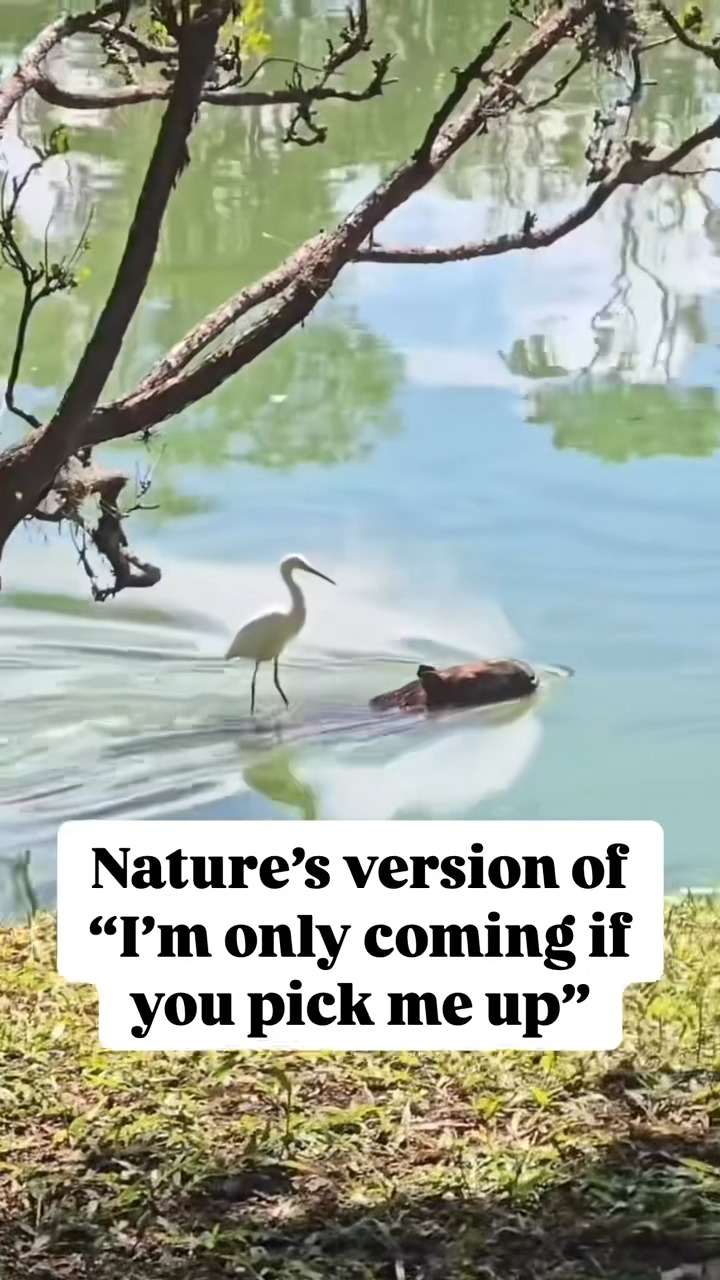
- The symbiotic relationship between snowy egrets and capybaras.
- Behavioral traits of capybaras that promote interspecies bonding.
- The ecological significance of bird-animal hitchhiking.
- Conservation implications of understanding animal relationships.
- The role of social media in raising awareness of wildlife behavior.
Snowy egrets and capybaras exemplify a remarkable partnership in the animal kingdom. Captured in images and footage, such as a snowy egret riding on a capybara, this interaction shows a level of comfort and camaraderie between the two species that invites awe and curiosity. While it may seem like an amusing spectacle, these friendships offer insights into the complex social behaviors and survival strategies of wildlife.
Snowy egrets (Egretta thula) are medium-sized herons, recognized for their striking white plumage, long slender legs, and distinct yellow feet. They are primarily found in wetlands, coastal regions, and marshes across the Americas. Their diet consists mainly of fish, insects, and crustaceans. Known for their graceful hunting techniques, they often stand still, waiting patiently for the right moment to strike. In contrast, capybaras (Hydrochoerus hydrochaeris) are the largest rodents in the world. Native to South America, they inhabit areas near waterways, including forests, savannas, and grasslands. With a social nature, capybaras live in groups, providing safety in numbers from predators. Their herbivorous diet primarily includes grasses and aquatic plants.
This interaction between the snowy egret and capybara can be interpreted through the lens of mutualism, where both parties gain benefits from the relationship. Birds, such as egrets, often seek refuge on larger animals like capybaras to rest and survey the environment for potential food sources. Capybaras, in turn, benefit from the birds’ vigilance. The snowy egret acts as an additional set of eyes, alerting its capybara companion to dangers such as predators lurking nearby.
The behavior of capybaras supports this bonding. Their calm demeanor allows for close interactions with various species, including humans. This gentle nature serves as an adaptable trait, enabling these rodents to thrive in diverse environments. Furthermore, they often engage in social grooming behaviors and form bonds within their species. This sociability likely extends to their interactions with other animals, reinforcing the bond observed with snowy egrets.
Birds hitching rides on the backs of other animals isn’t limited to just egrets and capybaras. Numerous species across different ecosystems showcase similar behaviors. For example, oxpeckers ride on the backs of large mammals like rhinos and buffaloes to feed on parasites. This behavior promotes a balanced ecosystem, illustrating how interconnected life forms can coexist and support each other. The phenomenon of hitchhiking in the animal kingdom underlines the relevance of these relationships in shaping ecological dynamics.
Exploring the significance of bird-animal hitchhiking patterns presents an engaging discussion about the broader ecosystem’s health. Birds can assist in controlling pest populations on larger mammals, therefore promoting healthier habitats. When species like egrets ride capybaras, they not only enjoy a ride but also access potential food sources and participate in maintaining a balanced ecological system.
Understanding these interactions also carries conservation implications. As habitats are increasingly threatened by climate change, urbanization, and agriculture, the dynamics of these relationships could play a crucial role in survival strategies for both animals. When animals adapt to changes in their environment, maintaining interspecies relationships could be fundamental to their resilience. Scientific studies increasingly support the notion that biodiversity, shaped by these interspecies bonds, can enhance ecosystem stability.
Monitoring wildlife behavior through social media platforms like Instagram provides valuable insights into animal interactions. The virality of videos showcasing unusual friendships captures audience interest and fosters appreciation for wildlife. Public interest generated through these platforms can influence conservation efforts by encouraging behaviors that support animal welfare and habitat conservation.
Moreover, showcasing phenomena like a snowy egret’s ride on a capybara educates a broader audience about the interconnectedness of species in nature. Wildlife organizations can leverage this interest to promote awareness about conservation issues, urging communities to protect ecosystems that harbor these remarkable relationships. Increased public dialogue can contribute to a culture of stewardship, where individuals understand their role in maintaining biodiversity and habitat protection.
The persistent rise of social media has shifted the landscape for wildlife conservation. With engaging content reaching millions, it can bridge the gap between scientific research and public understanding. When captivated by the sight of a snowy egret and capybara partnership, the audience naturally gravitates toward learning more about the behaviors and habitats of these animals. A viral moment can spark curiosity about an animal’s diet, habitat, and the importance of biodiversity, encouraging audiences to explore and share knowledge.
This dynamic between the snowy egret and capybara serves as a powerful illustration of cooperation across species. The trust inherent in this relationship symbolizes a harmonious existence within their ecological niche. Observing such interactions reinforces the importance of preserving these habitats, as they support not just individual species but entire ecosystems.
In sum, the relationship between snowy egrets and capybaras, characterized by its casual yet meaningful nature, highlights the necessity of understanding animal behavior for conservation. By exploring their symbiotic interaction, we gain crucial insights into the overall health of ecosystems. Watching a snowy egret hop on a capybara might prompt a smile, but the underlying dynamics promote a deeper awareness of wildlife interactions.
This narrative extends beyond just these two species; it encapsulates the necessity of empathy and coexistence within our environment. As viewers, we cherish the charm found in watching such unlikely friendships unfold, while educators and conservationists can utilize these moments as catalysts for dialogue about the serious responsibility we share in protecting our planet. It is essential to harness the fascination generated by these moments to foster action that leads to a future where both capybaras and snowy egrets, along with countless others, continue thriving together in their shared landscapes.
*****
Source Description
Nature’s most iconic carpool. 🐦🛶
A snowy egret just hitched a ride on a capybara like it’s a floating Uber—zero words, zero resistance, all chill.
👉 Follow @animals_az for more unlikely friendships, wild animal behavior, and moments that prove capybaras might actually be public transportation.
.
.
.
.
[snowy egret riding capybara, capybara behavior, animal friendships, bird and capybara video, wild animal transportation, funny wildlife moments, interspecies animal bonding, peaceful capybara ride, nature’s chillest animals, wildlife behavior caught on camera] source: bibs158
