
- The importance of wildlife conservation and its impact on ecosystems.
- The role of zoos in wildlife management and conservation efforts.
- The significance of educating the public about animal care and conservation.
- The relationship between animals and popular culture, including events like the Super Bowl.
- The future of wildlife conservation and the challenges faced by species today.
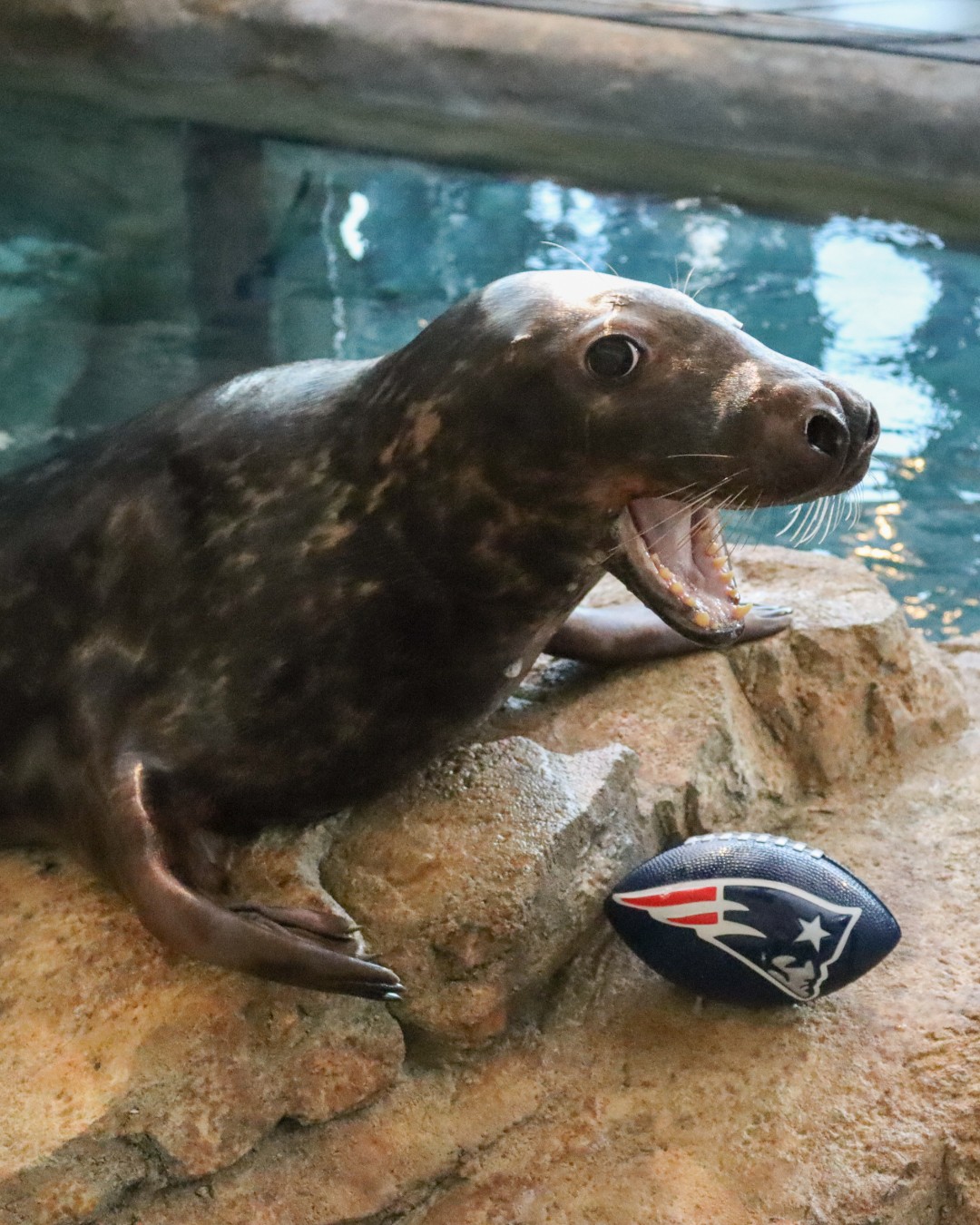
Mikey fumbled his first Seal Super Bowl Pick by incorrectly predicting the @patriots as the winner, and while that may seem like a setback, it serves as an opportunity to reflect on larger themes in wildlife conservation and animal management. As a playful reminder of resilience, “That’s alright, that’s okay, Mikey’s still our winner anyway” resonates well within the context of zoonotic education and public engagement strategies employed by zoos and wildlife organizations.
Wildlife conservation is a crucial effort aimed at preserving animal species and their habitats. Biodiversity is essential for ecosystem stability and health. Ecosystems provide vital services such as clean air, water filtration, pollination, and climate regulation. When species become endangered or extinct, it disrupts these systems, leading to adverse effects not only on the environment but also on human societies that rely on these resources.
Every action counts in wildlife conservation. Education plays a pivotal role in fostering environmental stewardship. By teaching the public about species’ unique adaptations, ecosystems’ functions, and the threats many animals face, we can galvanize action within communities to support conservation initiatives. Awareness campaigns are often spearheaded by zoos and wildlife organizations, using interactive exhibits and programs to illustrate the complexity of ecosystems and the significance of each species.
Zoos have evolved significantly over the decades. Historically viewed as mere entertainment facilities, modern zoos now function as vital participants in wildlife preservation and conservation programs. They serve as sanctuaries for endangered species while also functioning as centers for education and research. These institutions advocate for wildlife conservation through breeding programs, rescue missions, and global partnership initiatives aimed at rehabilitating animal populations in the field.
These zoos also emphasize the importance of understanding animal behavior and health care. Animal welfare is a critical aspect of zoo management. Providing an environment that promotes natural behaviors helps reduce stress in captive animals. Zoos conduct extensive training to keepers, focusing on animal enrichment, behavioral observation, and veterinary care. This knowledge gets shared with the public to bolster community ties and encourage advocacy.
Popular culture often intersects with wildlife conservation in unexpected ways. The Seal Super Bowl Pick and Mikey’s enthusiastic predictions serve as a light-hearted example of how animals can engage with contemporary events. Such intersections allow for discussions around animal representation and sentimentality in media. For instance, the portrayal of animals in sports events or campaigns can spur interest in conservation issues. It highlights the need for responsible living and caring for wildlife at local and global levels.
The continuing appeal of animals in media means that there is an opportunity for organizations to harness this interest to raise awareness and promote conservation. For example, campaigns that utilize mascots or animal ambassadors can directly engage younger audiences at events such as the Super Bowl. It provides a platform to deliver messages about endangered species while encouraging responsible practices, like supporting conservation charities or advocating for sustainable wildlife management.
In looking towards the future, the challenges faced by wildlife are complex and multifaceted. Climate change is perhaps the most pressing issue, causing habitat loss across the globe. As temperatures rise and weather patterns shift, many species struggle to adapt quickly enough to survive. Deforestation, pollution, and poaching further exacerbate these challenges. Conserving biodiversity requires coordinated efforts that embrace habitat protection, legislative advocacy, and innovative breeding programs to maintain genetic diversity within populations.
Conservation initiatives are increasingly focused on collaboration and interdependence among various stakeholders. Governments, local communities, non-profit organizations, and scientific researchers must work together to formulate sustainable solutions. Engaging local communities empowers them to take ownership of conservation projects, ensuring their needs are met while protecting the local wildlife.
Active participation on social media platforms allows for wider outreach and engagement among audiences. Online advocacy is vital in driving public interest in wildlife protection and fostering a sense of community around shared values. Encouraging discussions in comment sections about outcomes like Mikey’s failed Super Bowl pick creates an opening for deeper conversations around animal welfare and conservation issues.
As we examine the landscape of wildlife management today, it’s clear that supporting organizations dedicated to preserving these animals isn’t just an act of charity. It’s a necessary investment in the future of our planet. Conservation is not solely a scientific endeavor; it’s also a social movement that requires public buy-in and grassroots support.
Education remains the cornerstone of all conservation activities. Teaching communities about the interconnectedness of life and the roles various species play can inspire motivated action. Local programs that connect people with their natural habitats through educational workshops, wildlife observation, and community clean-ups foster an appreciation for the external environment and its inhabitants.
Furthermore, the integration of technology into conservation strategies is helping to reshape the way we view wildlife. Tools such as GPS tracking, drones, and camera traps are revolutionizing monitoring processes, allowing researchers to collect data more efficiently and accurately. These innovations not only aid in understanding animal behavior but also help in formulating actionable strategies for their protection and recovery.
Zoos, wildlife parks, and aquariums actively participate in conservation breeding programs aimed at preserving species on the brink of extinction. By cross-breeding healthy individuals, these institutions can reintroduce genetically diverse animals back into their natural habitats, thereby stabilizing wild populations. However, these programs require rigorous genetic and behavioral assessments to be successful, pointing to the need for continued research and methodological advances.
The efforts invested in conservation must be ongoing and adaptable. The landscape is continuously changing, influenced by human behavior, technological advancements, and ecological shifts. Therefore, engaging the public in maintaining this momentum becomes paramount. Using entertainment platforms that captivate attention can be particularly effective in gaining support for conservation efforts.
As we navigate through the complexities of wildlife conservation, we can find layers of engagement. Events like the Super Bowl not only provide entertainment but can also serve as pivotal moments for conservation awareness. Mikey’s fumbled prediction calls to mind the resilience required to take every opportunity in stride, infusing light-hearted sentiments with serious conservation commitments.
It is essential that we continue to spread awareness about the importance of protecting our planet’s biodiversity. Mikey may have missed his Super Bowl pick, but the influential power of wildlife conservation initiatives continues to create a lasting ripple effect. Every small act leads to significant change over time. Encouraging support in comments and broader discussions around wildlife shows that every voice matters.
The journey to successful wildlife conservation is challenging yet rewarding. By spreading knowledge and fostering community engagement, we contribute to international efforts to combat biodiversity loss. Providing tangible ways for individuals to connect with wildlife, be it through local initiatives or global campaigns, ensures that we collectively preserve these awe-inspiring species for generations to come.
Wildlife conservation, much like a well-fought sporting event, takes teamwork, strategy, and determination. So, no matter the outcome of any individual effort or prediction—whether it be Mikey’s Super Bowl pick or broader conservation initiatives—the spirit of perseverance continues on. Through education and collective engagement, Mikey’s enthusiasm can remind all of us that, regardless of setbacks, our shared commitment makes us winners in this vital cause.
*****
Source Description
That’s alright, that’s okay, Mikey’s still our winner anyway 🦭🏈
Mikey fumbled his first Seal Super Bowl Pick by incorrectly predicting @patriots as the winner. Send him some kind words in the comments!
