
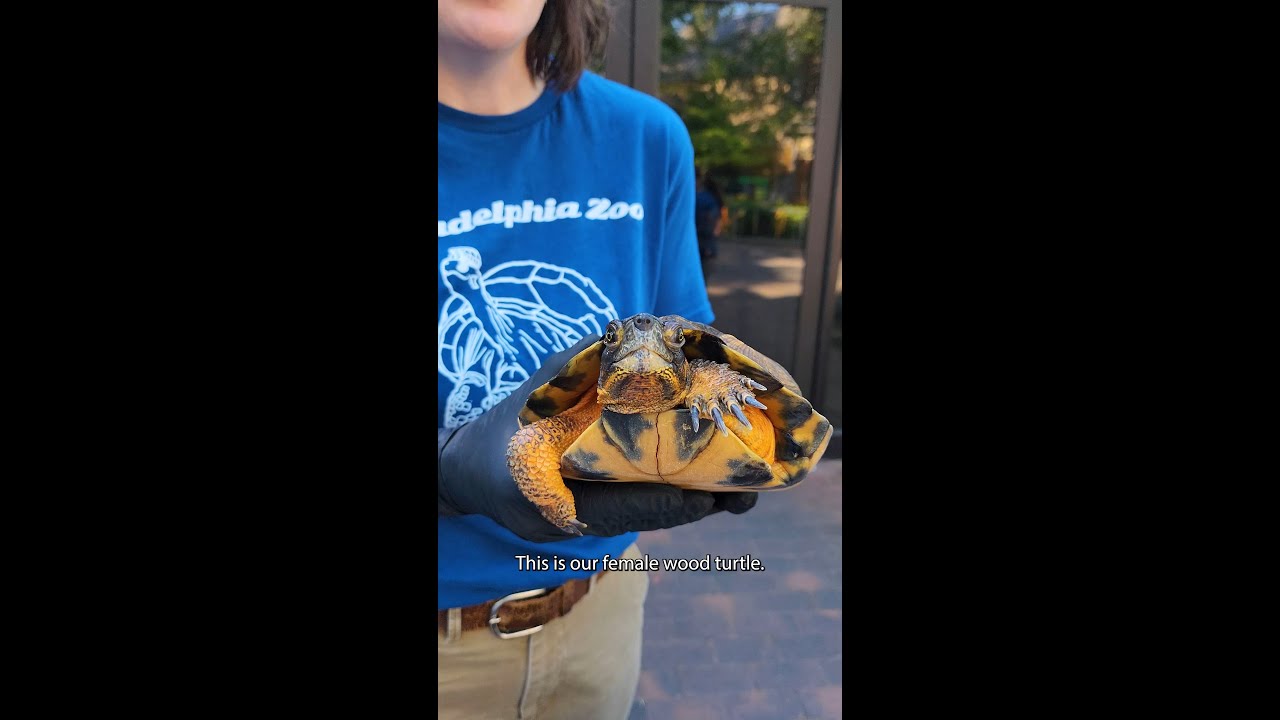
- Overview of the mock wood turtle survey and its significance in wildlife conservation and zoology
- Roles and responsibilities of animal care specialists during the survey process
- Scientific and conservation insights gained from studying wood turtles
- Techniques and tools used in turtle surveys to gather reliable data
- Implications of the findings for zoo management and conservation strategies
Mock wood turtle surveys offer crucial insights into turtle behavior, health, and habitat needs, contributing significantly to the field of wildlife conservation. These surveys are collaborative efforts that involve not just observing turtles but also engaging in extensive data collection to inform conservation strategies and improve the management of these species in captivity and the wild.
Animal care specialists play pivotal roles in these surveys. Their expertise in behavior analysis and health assessments ensures the collection of accurate and valuable data. They observe the turtles’ physical conditions, behavioral patterns, and interactions within their environment. The specialists’ observations aid in understanding how environmental changes affect the species’ health and behavior, providing vital information for conservation programs.
Wood turtles serve as valuable indicators of environmental health. Their population dynamics, behavior, and habitat preferences offer insights into broader ecological conditions. By studying these turtles, researchers can assess the impacts of habitat loss, climate change, and human interference on wildlife. This understanding informs strategies to mitigate negative impacts and enhance the turtles’ survival in their natural habitats.
Various methods are employed in turtle surveys, including GPS tracking, habitat assessment, and population monitoring. These techniques help researchers gather data on turtle movements, preferred habitats, and social dynamics. The application of such technologies and methodologies elevates the precision of data collected, leading to more informed conservation strategies.
The findings from mock wood turtle surveys have substantial implications for zoo management and broader conservation efforts. Zoos can use this data to create more naturalistic and enriching environments for turtles in captivity, enhancing their well-being and breeding success. Moreover, insights gained from these surveys play a critical role in developing action plans for the protection of wood turtles in their native habitats.
The integration of these approaches not only aids in the preservation of wood turtles but also enhances our understanding of ecological health and biodiversity. Through dedicated efforts in monitoring and research, conservationists and animal care specialists are paving the way for more effective wildlife management and protection strategies.
*****
Source Description
Happy World Turtle Day! 🐢
Wood turtles are native to Pennsylvania and are also among the state’s greatest conservation concerns. Watch two of our Reptile and Amphibian animal care specialists process a wood turtle just as they would in the field during a survey!
