
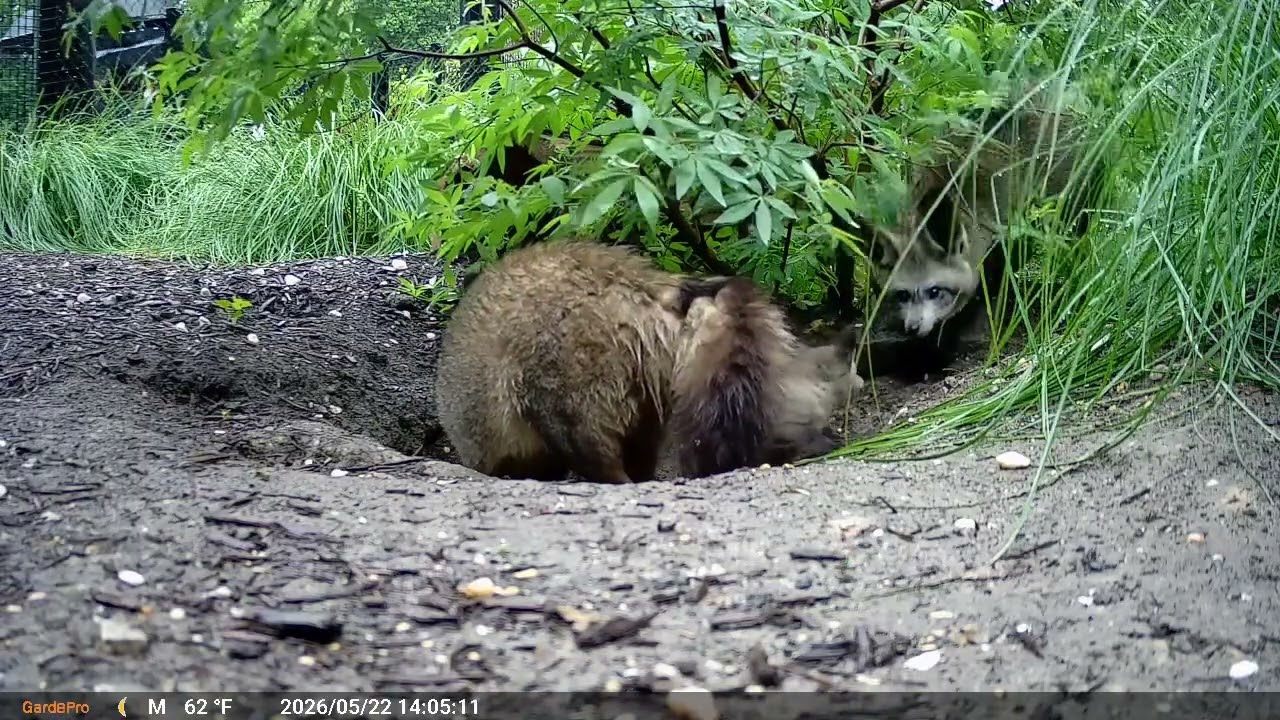
- Parenthood Strategies: Examining how bat-eared fox parents care for their young.
- Behavioral Observations: Insights gleaned from the Smithsonian’s National Zoo.
- Zoological Significance: Understanding the bat-eared fox’s role in its ecosystem.
- Conservation Efforts: Highlighting strategies for preserving these fascinating animals.
- Educational Opportunities: The role of zoos in wildlife education and awareness.
Bat-eared foxes present a fascinating study in animal behavior and parental care. These small, socially complex animals are native to the open savannahs and arid regions of Africa. Distinguished by their oversized ears, which serve both auditory and thermoregulatory functions, bat-eared foxes are adept in their environment. At the Smithsonian’s National Zoo, visitors have the unique opportunity to observe these animals closely, particularly how they manage the crucial task of rearing their young.
Parenthood Strategies
Bat-eared foxes are monogamous, often forming lifelong pair bonds. This partnership is particularly evident in their parenting approach. Unlike some other canids where one parent may be primarily responsible for caring for the young, both bat-eared fox parents actively participate.
Father foxes assume a significant role in nurturing the kits. They guard the den, ensuring the safety of the young from predators and other threats. This level of paternal care is vital for the survival of the offspring, adding a layer of complexity to their social structure.
Meanwhile, the mother provides nourishment through nursing. During this period, her diet’s nutritional quality is crucial for producing rich milk to support the fast-growing kits. Both parents contribute to grooming the young, which helps to establish social bonds and hygiene. This cooperative parenting strengthens the family unit, preparing the kits for their independent future.
Behavioral Observations
At the Smithsonian’s National Zoo, detailed observations of bat-eared foxes offer insights into their complex behaviors. The video footage often captures their playful interactions and communicative vocalizations, which are essential for their social structure. Bat-eared foxes communicate using a series of barks, chirps, and growls to convey various messages—from warnings to expressions of affection.
Zookeepers have noted that these foxes are most active during cooler periods, such as dawn and dusk. During these times, they engage in communal activities, reinforcing social bonds and ensuring the cohesion of the family unit.
The zoo environment provides a perfect backdrop to study these behaviors systematically. Researchers can observe the influence of environmental variables on behavior and how bat-eared fox parents adapt their parenting strategies to ensure the well-being of their kits.
Zoological Significance
The bat-eared fox plays a crucial role in its ecosystem, acting as both predator and prey. Its diet mainly consists of insects, especially termites, which positions it as a critical player in regulating insect populations and maintaining ecological balance. By controlling termite and beetle numbers, bat-eared foxes help prevent the overpopulation of these insects, which could otherwise negatively impact vegetation.
Furthermore, their tendency to forage over wide areas helps in seed dispersal, contributing to plant community dynamics. This ecological role highlights the importance of their conservation. By maintaining stable fox populations, ecosystems can remain balanced and productive.
Conservation Efforts
Conservation strategies are vital for the preservation of bat-eared foxes, particularly as their habitats face pressures from human development and climate change. Zoos like the Smithsonian’s National Zoo play a key role in these efforts by providing safe environments where fox populations can thrive.
Conservation programs focus on habitat protection and restoration, ensuring that bat-eared foxes can continue to perform their ecological roles. Efforts also include educating local communities about the benefits of preserving these foxes and their habitats, thereby promoting coexistence.
Breeding programs in zoos are another critical component. By maintaining genetically diverse and healthy populations, these programs create a reservoir for future reintroductions into the wild, if necessary.
Educational Opportunities
The Smithsonian’s National Zoo offers invaluable educational opportunities by showcasing bat-eared foxes to the public. Visitors gain insight into the lives of these animals and the challenges they face in the wild. Such education fosters awareness and appreciation, encouraging conservation-oriented behaviors in everyday life.
Educational programs often include talks, interactive exhibits, and viewing opportunities that highlight the importance of preserving wildlife. These programs are designed to raise awareness about the broader issues facing various species and ecosystems.
Zoos thus serve as vital conduits for knowledge, connecting people with animals and fostering a deeper understanding and commitment to conservation efforts. By experiencing the lives of bat-eared foxes through engaging exhibits and informative content, people can better appreciate the delicate balance required to maintain healthy ecosystems.
In conclusion, the care of bat-eared fox parents for their kits at the Smithsonian’s National Zoo highlights crucial elements of their biology and behavior. The zoo serves as a critical resource for educating the public and conserving these fascinating animals, ensuring they continue to be vital components of their ecosystems for generations to come.
*****
Source Description
Keepers were thrilled to welcome the first litter of bat-eared foxes born at the Zoo in 75 years — even if they’ve hardly caught a glimpse of them.
Ever since mother Ziggy gave birth sometime around April 28, 2026, the elusive kits have been tucked away in a den dug by the foxes in their habitat. Bat-eared foxes are naturally secretive parents, spending most of their time underground and out of sight. Bat-eared foxes are naturally secretive parents, spending most of their time underground and out of sight.
In this video from May 22, 2026, Ziggy and the kits’ father, Lando, urge their curious kits back into their underground den.
