
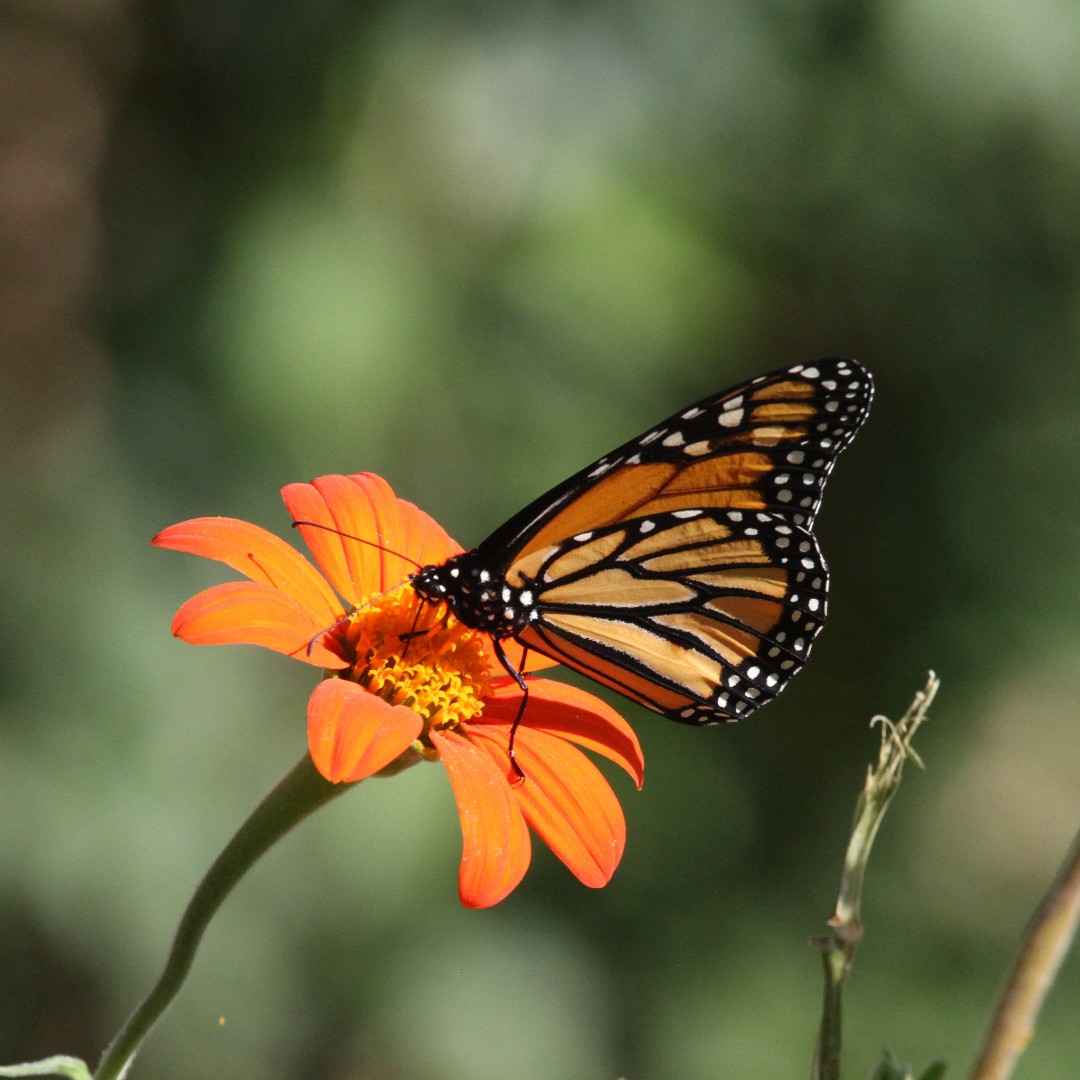
- Monarch butterflies are facing potential listing as a threatened species under the Endangered Species Act.
- Their remarkable migration journey from Canada to Mexico is filled with challenges.
- Significant threats to Monarchs include habitat loss, pesticide use, and climate change.
- Essential plants for Monarch butterflies, such as milkweed and nectar-rich flowers, play a critical role in their life cycle.
- Strategies to support Monarchs in Colorado include planting specific flowers and creating habitats that benefit all pollinators.
Monarch butterflies are a stunning symbol of nature, known for their vibrant orange and black wings and incredible migratory journey spanning thousands of miles. These insects have attracted the interest of scientists and conservationists alike due to their fascinating life cycle and the challenges they face. Soon, Monarch butterflies may be acknowledged as a threatened species under the Endangered Species Act. This potential designation is based on significant declines in their populations over recent years, primarily driven by human activity and environmental changes.
The migration path of Monarch butterflies is one of the most awe-inspiring phenomena in nature. Each year, they migrate from Canada and the northern United States to central Mexico, covering distances of up to 3,000 miles. Along the way, they pass directly through Colorado’s Front Range, an area rich in biodiversity and natural beauty. However, to complete this arduous journey, they face numerous challenges that may impede their survival.
Increasingly, habitat loss is one of the most significant threats to Monarch populations. Urban development and agricultural expansion have drastically reduced the areas where these butterflies can thrive. Monarchs require specific environments to succeed, particularly those that include milkweed plants, which are vital for their reproductive cycle. Female Monarchs lay their eggs exclusively on milkweed, and once hatched, caterpillars feed on the plant, gaining the necessary nutrients to grow. The disappearance of milkweed due to land development and herbicide application considerably impacts Monarch survival rates.
The use of pesticides presents another pressing threat to Monarch butterflies. Pesticides are designed to kill pests but can also harm non-target species, including beneficial pollinators like Monarchs. Systemic insecticides infiltrate plants, making the entire organism toxic to insects that feed on them. This exposure affects the growth and survival of Monarch larvae and may even lead to population declines.
Furthermore, climate change poses a multi-layered threat to Monarch butterflies. Altered weather patterns can disrupt their migration schedules and the availability of resources they depend on for survival. Earlier springs can lead to mismatch timing between the emergence of adult butterflies and the blooming of milkweed, impacting their ability to reproduce. Extreme weather events, such as droughts and heavy storms, can also devastate habitats crucial for resting and feeding during their journey.
To aid Monarch butterflies in these challenging times, it is essential to create supportive environments that facilitate their life processes. Planting the right flowers in Colorado backyards can significantly contribute to their conservation. Besides milkweed, Monarchs thrive on nectar-rich flowers that provide the energy they need for migration. Species such as coneflowers, asters, and lantanas not only attract Monarchs but also support other pollinators such as bees and hummingbirds, fostering a healthy ecosystem.
Creating a wildlife-friendly garden doesn’t require extensive resources or expertise. Homeowners can start small by dedicating a section of their yard to native plants. Native flowers are adapted to local conditions, requiring less water and maintenance, a perfect strategy for anyone looking to contribute to conservation efforts without overwhelming commitment. When selecting plants, consider showcasing a variety of bloom times to ensure that there are continuous sources of nectar for pollinators throughout the growing season.
Educational initiatives have surfaced to guide homeowners in these practices. Organizations and institutions like the Butterfly Pavilion offer valuable information on how to best support Monarchs and other pollinators. Their gardening resources include plant recommendations specifically suited for Colorado’s diverse climate and soil conditions. Local gardening centers often stock these essential plants, making it convenient for residents to promote biodiversity in their yards.
In addition to planting suitable flowers, creating habitats that protect butterflies from predators is also beneficial. Leaving sections of the garden undisturbed allows for natural growth and helps support the ecosystem by providing shelter for butterflies and other wildlife. Using natural mulch instead of synthetic materials can help retain soil moisture and prevent erosion.
The community can also engage in regional conservation efforts for Monarch butterflies. Volunteering for citizen science initiatives enables individuals to contribute data that helps scientists track Monarch populations and migration patterns. Participating in educational workshops raises awareness of the butterflies’ plight and fosters a collective effort towards their preservation.
Pledging to reduce pesticide usage is another significant step individuals can take. Homeowners can adopt integrated pest management practices, which focus on using natural predators and organic solutions to manage pests. Such choices not only benefit Monarchs but support overall biodiversity in the environment.
The potential listing of Monarch butterflies as a threatened species under the Endangered Species Act is a critical alert to communities and individuals about their declining numbers. The consequences of this iconic butterfly’s endangerment are not solely ecological. They touch on cultural and economic aspects as well. The Monarch butterfly has inspired countless artists, educators, and nature enthusiasts. The loss of such a significant creature would resonate deeply within various facets of society.
Understanding their challenges highlights the pressing need for focused conservation efforts. Advocacy for policy changes regarding pesticide use and land management practices can have far-reaching implications for Monarch populations. Supporting initiatives that promote sustainable agricultural practices can bridge the gap between farming and wildlife conservation.
In the face of adversity, Monarch butterflies continue to inspire hope and action. Their remarkable journey from Canada to Mexico symbolizes resilience in the natural world. By planting milkweed and nectar-rich flowers in home gardens, reducing pesticide use, and engaging with community conservation efforts, individuals can play a pivotal role in their survival.
The actions taken today will influence the fate of Monarch butterflies for generations to come, ensuring that future generations will also experience their magical migrations across the landscape. Each flower planted, each habitat cared for, and each policy advocated serve as contributions to a vital cause. Together, we can create a supportive environment where Monarch butterflies can flourish despite the persistent threats they face.
Ultimately, Monarch butterflies require not just attention but action from all of us. Our engagement with this species will define the future health of ecosystems throughout Colorado and beyond. The destiny of the Monarch butterfly is not solely in their wings but also in our hands. Taking steps to protect and restore their habitats ensures that their journey continues for many migratory cycles yet to come.
*****
Source Description
Monarch butterflies may soon be listed as threatened under the Endangered Species Act. This iconic species migrates thousands of miles from Canada to Mexico, passing right through Colorado’s Front Range. But their journey isn’t easy—pesticide use, habitat loss, and climate change all pose serious threats. Along the way, they rely on plants like milkweed and nectar-rich flowers for essential fuel.
You can support Monarchs by planting their favorite nectar sources, which not only help these iconic butterflies, but also attracts a variety of other pollinators! Find out which plants are best for your Colorado backyard in our latest blog written by the lepidopterist team at Butterfly Pavilion and the Gardens at Spring Creek: butterflies.org/monarch-gardening/
📸: Joanne Ashton with Butterfly Pavilion
