
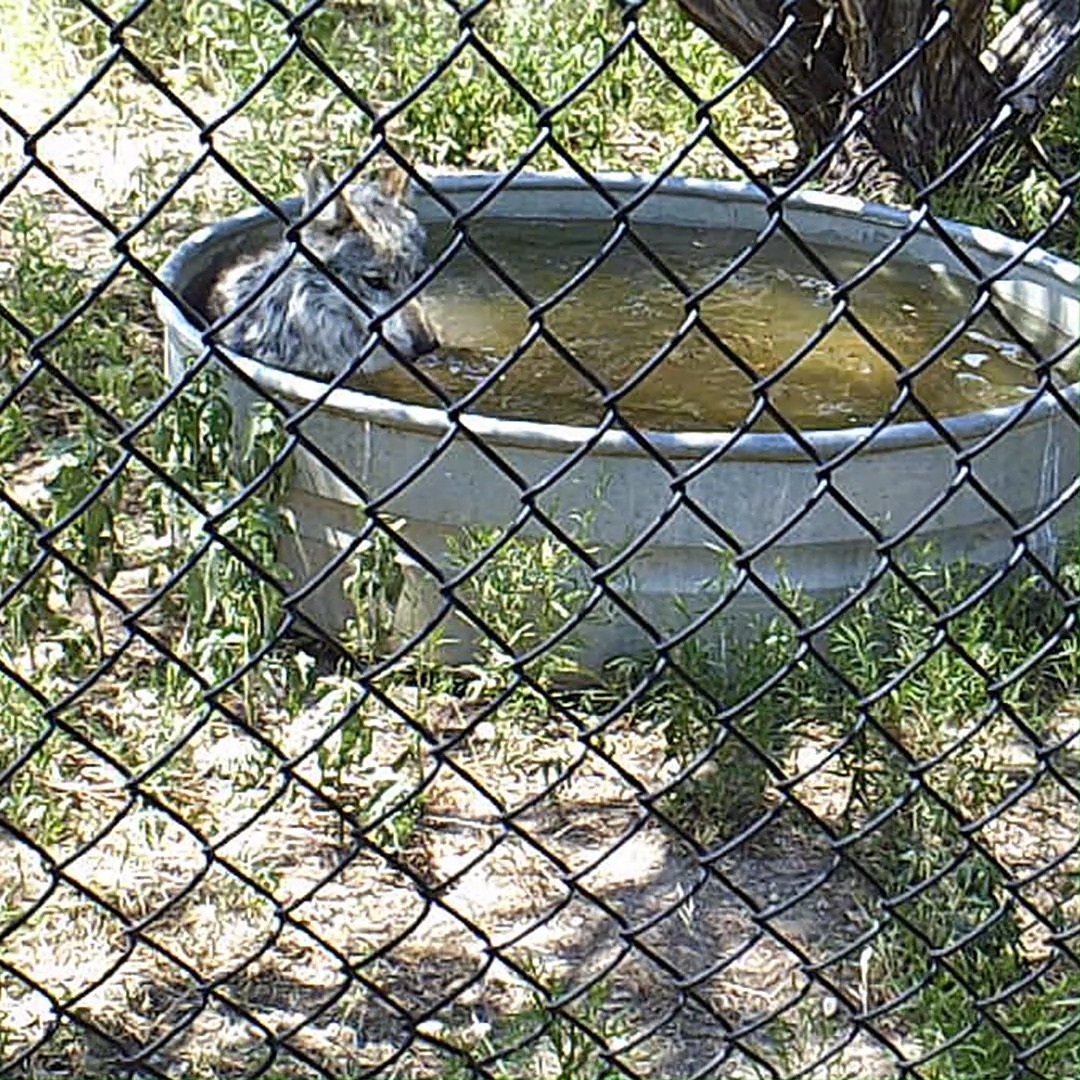
- Understanding the Role of Wildlife Cameras in Monitoring Wolves
- The Importance of Professional Animal Care Staff
- Contributions from the Community to Support Carnivore Care
- Insights into Wolf Behavior and Health Monitoring
- The Impact of Conservation Efforts on Wildlife Species
Monitoring wolf populations requires a deep understanding of their behavior, habitat, and health. One of the most effective tools for our animal care staff is the use of wildlife cameras. These cameras play a crucial role in gathering data while minimizing human interference. They capture candid moments, offering insights into the daily lives of wolves in their habitats. Not only can this technology provide information on pack dynamics, feeding habits, and territorial behaviors, but it also helps our carnivore team observe the animals without disrupting them.
Wildlife cameras are strategically placed in areas frequented by wolves. This approach allows continuous, unobtrusive monitoring. With these devices, animal care staff can review footage periodically. They can assess the physical condition of individual wolves, track movements, and identify interactions among pack members. This data ultimately contributes to better management and care strategies for these animals. Furthermore, these cameras can reveal surprising and adorable moments like playful pups. Such clips often delight the team and enhance community engagement through social media.
The expertise of the animal care staff is essential in maximizing the effectiveness of wildlife cameras. These professionals undergo rigorous training in animal behavior, veterinary care, and habitat management. Their keen observation skills help interpret the footage captured by these cameras. By analyzing patterns in behavior, they can implement necessary interventions when health issues arise or when pack dynamics shift.
This expertise is complemented by modern veterinary practices. Regular health assessments are critical to monitoring the overall well-being of wolves. By using the data collected from wildlife cameras, veterinarians can identify signs of illness or injury early. They work in tandem with the animal care team, ensuring that each wolf receives appropriate treatment and care.
Community support plays a vital role in enhancing the capabilities of our carnivore team. Individuals interested in contributing can assist in various ways. One important method is through donations. Whether it’s specialized equipment for monitoring or everyday supplies for daily care, support from the community can make a significant difference. Our carnivore team has created a handpicked wishlist on Amazon, allowing donors to see precisely what is needed. This list includes items that facilitate day-to-day care, such as feeding tools and enrichment items that foster natural behaviors.
Encouraging community involvement also fosters a greater understanding of wildlife conservation efforts. By donating, community members not only assist in maintaining the welfare of the wolves but also become stakeholders in broader conservation initiatives. It bridges the gap between the public and wildlife care professionals, cultivating awareness and appreciation for these magnificent animals.
Greater access to educational information about wolves is essential for fostering public engagement in conservation. Wolves play a critical role in maintaining healthy ecosystems. As apex predators, they influence the populations of prey species and help balance ecosystems. This dynamic interaction showcases the importance of wolves in biodiversity. Understanding these roles can foster support for conservation initiatives that protect wolves and their habitats.
Monitoring wolf behavior through the lens of wildlife cameras also sheds light on inter-pack relationships. Observing how wolves interact can yield valuable insights into social structures and communication methods. For instance, researchers have noted that wolves exhibit complex social behaviors like grooming and play that reinforce pack bonds. Capturing these moments can enhance public awareness about the emotional and social lives of these animals.
The data gleaned from wildlife cameras aids in assessing the success of conservation efforts. Researchers often focus on population dynamics, migration patterns, and habitat use. By engaging in these studies, the animal care staff can evaluate whether current conservation policies are effective. If issues arise—such as decreased numbers in specific packs—this data can help pinpoint the reasons and inform future strategies.
The integration of technology like wildlife cameras in wildlife management is crucial, particularly in an era marked by habitat loss and several environmental challenges. The cameras collect substantial data with minimal human influence, allowing wildlife to behave naturally. Without the stress of human presence, the footage obtained offers a clearer picture of wolf behavior.
Educational outreach is another facet of our animal care initiatives. Sharing video clips from wildlife cameras provides a tangible link between the public and the animals in our care. Highlighting these interactions can spark interest in wildlife conservation among viewers. Furthermore, it encourages people to recognize their role in protecting ecosystems and promotes responsible interactions with wildlife.
Additionally, understanding wolf health is paramount. Monitoring weight, appearance, and mobility helps identify any potential health issues early on. The insights gained from wildlife camera footage can lead to proactive measures. If a wolf demonstrates signs of distress or changes in behavior, the care team can respond swiftly. This proactive approach is essential for ensuring the sustained health of these apex predators.
Community contributions also extend to educational events held at wildlife facilities. These occasions often feature discussions about the importance of wolves in ecology. By fostering a connection between the public and wildlife, these events create advocates for conservation efforts. Participants learn about the complexities of animal care and the challenges that wolves face in the wild.
Wildlife conservation is a collective effort. The collaboration among professional staff, community members, and technology like wildlife cameras creates an intricate network dedicated to the well-being of wolves. Each piece contributes to the broader mission of maintaining ecosystems and protecting vulnerable species.
Efforts to conserve wolves are vital in the face of climate change and habitat destruction. By promoting awareness of their ecological roles and the threats they face, we bolster community support for policies that protect both wolves and their environments. Educating the public about the significance of preserving these wolves can lead to more robust conservation initiatives.
In closing, monitoring our wolves through wildlife cameras exemplifies the intersection of technology, animal care, and community engagement. It illustrates our commitment to wildlife conservation and the proactive measures we take to ensure the welfare of these iconic animals. Contributions from the public enhance our efforts and foster a deeper connection between people and wildlife. By working together, we can safeguard these crucial species and their habitats for generations to come.
*****
Source Description
There are many ways our animal care staff monitor our wolves, one being wildlife cameras. 🎥🐺 Occasionally we receive an adorable clip or two from our carnivore team!
Did you know you can contribute to our carnivore team? Whether it’s items to help them monitor the wolves or items that help them with the day-to-day care of these animals, you can send them items from their handpicked wishlist: amazon.com/hz/wishlist/ls/197XJGQD1BGSW.
