
- Overview of the Cotton-Top Tamarin and Colobus Monkey Species
- Growth Milestones of Colobus Monkeys
- Social Dynamics and Behavior in Primate Families
- Importance of Wildlife Conservation Efforts
- The Role of Zoos in Education and Conservation
The Cotton-Top Tamarin, native to Colombia, is a small primate with distinctive white, cotton-like tufts of fur on either side of its head. Found predominantly in tropical forests, this species is noted for its playful and social behavior. The rambunctious cotton-top tamarin twins at Stone Zoo are a delightful highlight, emphasizing the engaging characteristics common in this species. These monkeys live in family groups, which significantly influence their upbringing and socialization.
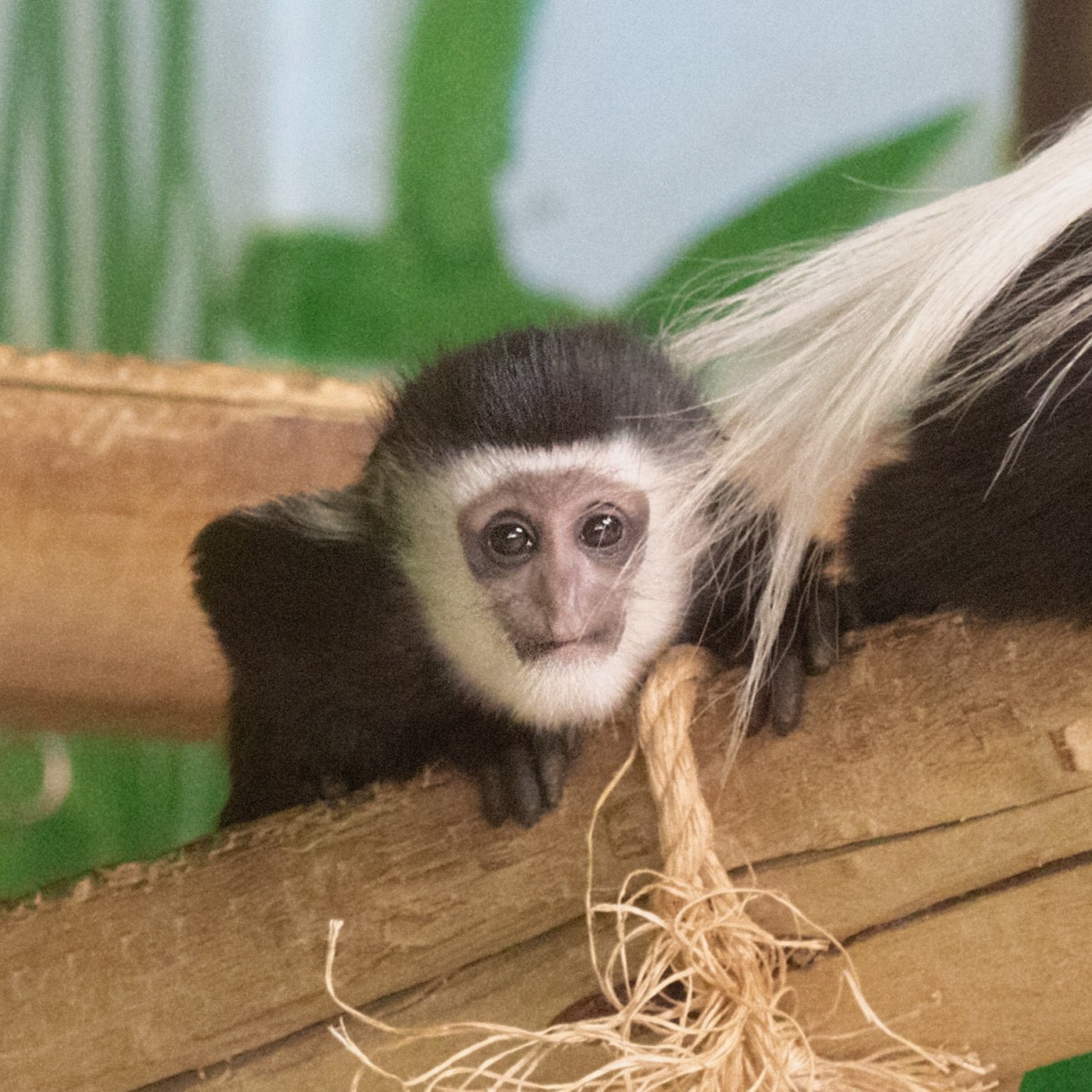
Just down the way from these lively tamarins, visitors can meet a 3-month-old colobus monkey, a species that is equally fascinating. Colobus monkeys are known for their striking black and white fur and their unique digestive systems, which allow them to consume and process leaves efficiently. As members of the Old World monkey family, they are often observed hanging gracefully from branches, utilizing their long limbs and adept climbing skills.
At this early stage of life, the colobus monkey is already exhibiting significant growth milestones. When observing them, it’s clear to see that the little one is thriving. The baby monkey is learning the boundaries of its environment, as jumping and romping independently are evident signs of healthy development. Unlike the dependent phase, where the young rely solely on their mothers, this young colobus is mastering newfound mobility and confidence, essential for future independence.
The developing colobus monkey is also now sporting adult black fur, an important transition in its growth. This change in coloration signifies the approach to adulthood, where the strikingly beautiful coloration becomes more pronounced. Adult colobus monkeys are often characterized by their deep black fur, accented with white cheek tufts, and in some species, a distinctive white tail. The development of adult fur provides additional camouflage in their natural habitats, aiding in predator avoidance.
Plenty of baby animal energy is evident in this colobus monkey. Young primates are known for their high energy levels, which serve as a critical aspect of their development. This playfulness is crucial for building social bonds and skills necessary for survival within their tight-knit family groups. The young monkey enjoys a close relationship with its big brother, George, who likely takes on a role as a teacher and playmate. This dynamic interaction mirrors typical sibling relationships in other animal species, where older siblings help younger ones learn through play, fostering essential skills.
Family structure in primate species, including the colobus monkey, is complex and vital. The presence of a mother and siblings significantly contributes to the social learning of young monkeys. The patience exhibited by the mother and older sisters is critical. The young colobus is not only learning independence through energetic play but also understanding social structures and hierarchies within its family. This maternal influence is essential for nurturing and guiding the young, ensuring they develop appropriately within their social setting.
Wildlife conservation is paramount when discussing captivating species like the colobus monkey. The threat to their natural habitat, primarily due to deforestation and human encroachment, highlights the urgent need for conservation efforts. Organizations around the globe are working tirelessly to preserve habitats and protect these species from extinction. The conservation of such primates is crucial, as their role in their ecosystems is significant. Colobus monkeys help maintain the health of forests through their browsing and seed dispersing activities.
Zoos play a vital role in fostering wildlife conservation efforts. They aim to educate the public about various species while actively participating in breeding programs that help stabilize populations. Ensuring genetically diverse populations is essential for maintaining healthy species in captivity, providing future generations with the chance to learn about these extraordinary animals.
Stone Zoo exemplifies this approach, integrating educational experiences that promote awareness about the behaviors and needs of animals like the cotton-top tamarins and colobus monkeys. By doing so, they engage visitors and encourage a connection to wildlife conservation.
Educational programs, structured information sessions, and interactive experiences contribute to instilling a sense of environmental responsibility in the community. The young colobus monkey and its lively environment help make learning enjoyable and engaging, transforming curiosity about animals into a commitment to protect their habitats. Such educational initiatives foster a broader understanding of wildlife and encourage conservation action.
With plenty of baby animal energy visible in the colobus monkey, visitors can witness the vitality of these creatures firsthand. The unique interactions not only reflect the lively nature of primates but also underline the importance of understanding animal behavior and social cohesion in conservation contexts.
In addition to their role in conservation, zoos often contribute to important research efforts that can benefit wildlife both in captivity and the wild. Studying behavior, genetics, and health in animals like colobus monkeys can yield insights that inform conservation strategies. This research contributes to developing best practices for care and breeding, enhancing welfare standards in zoological facilities.
Engaging the public in discussions about conservation, species behaviors, and the challenges faced by wildlife can lead to more informed communities. By observing baby animals like the colobus monkey and witnessing their growth, individuals can develop empathy for the species and a desire to take action in supporting broader conservation efforts.
In the complex tapestry of wildlife, species like the cotton-top tamarin and colobus monkey provide rich examples of the interplay between animal behavior, development, and conservation. Understanding these elements enables a more compassionate and informed perspective, ultimately benefiting the future of myriad species in the wild.
With ongoing efforts in wildlife conservation and education, zoos contribute significantly to the preservation of species and their habitats. The delightful atmosphere at Stone Zoo, particularly around the playful colobus monkey and energetic tamarin twins, paints a hopeful picture for the future of animal welfare and conservation. The journey from juvenile playfulness to adulthood is a crucial phase in the life of these monkeys, nourishing the drive to protect their lineage and the ecosystems they inhabit.
Each encounter with wildlife serves as a reminder of the need for active engagement in conservation efforts and fostering appreciation for the intricate web of life surrounding us. The importance of organizations dedicated to wildlife conservation cannot be overstated; they are instrumental in shaping a sustainable future for our planet’s diverse fauna. Social dynamics observed in family groups of monkeys provide a fascinating glimpse into the complexities of animal behavior, enriching our understanding of the animal kingdom at large.
By observing the joyful antics of young animals, the public is encouraged to reflect on their roles in the broader narrative of wildlife conservation. The delicate balance of sustaining animal populations, preserving their environments, and educating future generations is a shared responsibility, one that begins with awareness and appreciation of the remarkable creatures with whom we share our planet.
*****
Source Description
More baby pics! Just down the way from the rambunctious cotton-top tamarin twins at Stone Zoo is the 3-month-old colobus monkey.
And look how much they’re growing:
Jumping and romping independently ✅
Adult black fur growing in ✅
Plenty of baby animal energy ✅
No name or confirmed gender yet ❎
Definitely enjoying a lot of play time with big brother George — and a LOT of patience from mom and older sisters.
