
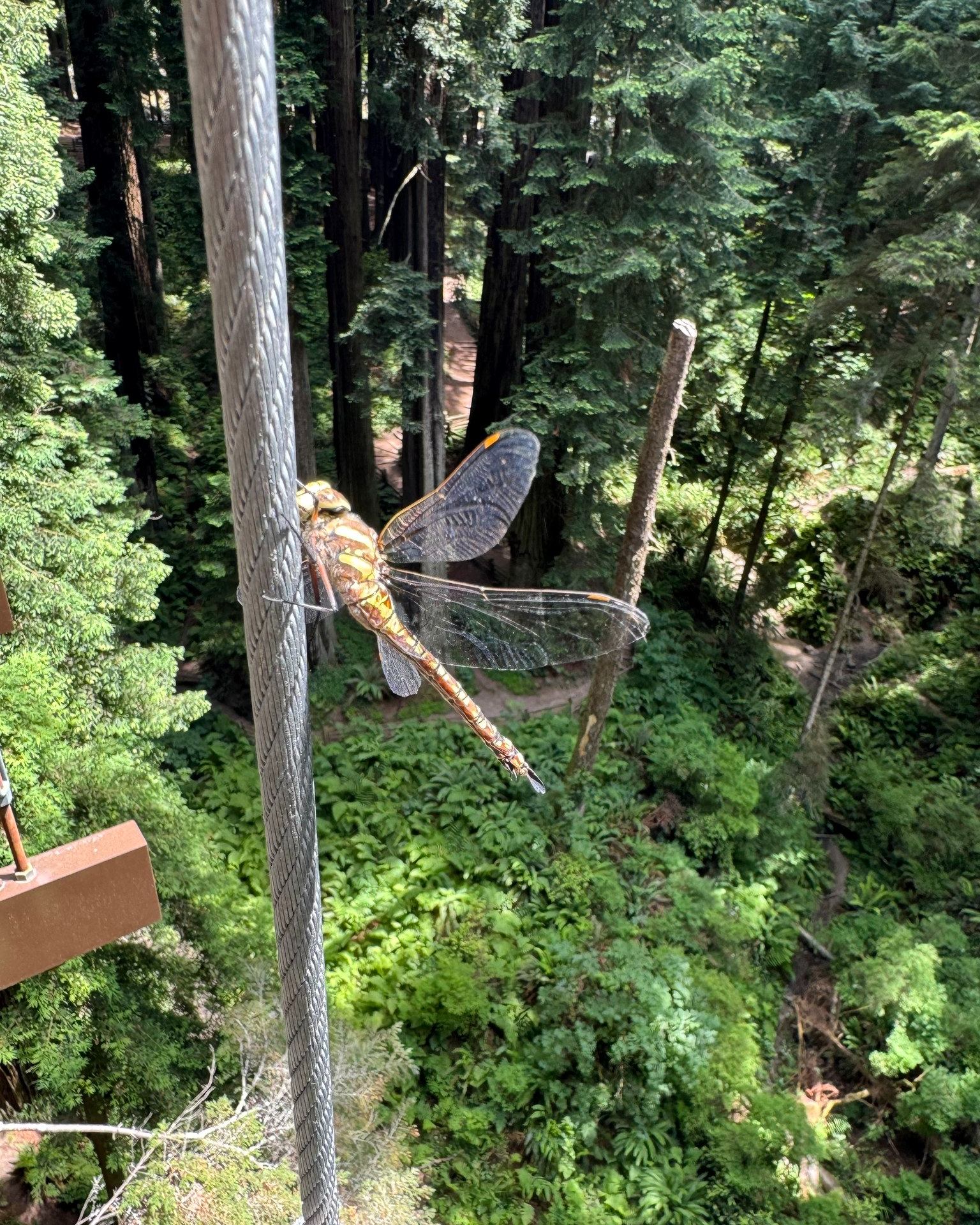
- The significance of the Redwood Sky Walk in promoting environmental education.
- Insights into the biodiversity housed in California’s redwood ecosystem.
- The role of wildlife conservation in preserving natural habitats.
- The importance of visitor engagement and community involvement in conservation efforts.
- The implications of zoo management practices for agricultural and ecological systems.
The Redwood Sky Walk is a remarkable destination for anyone passionate about wildlife and conservation. Set against the backdrop of towering redwoods, it embodies the essence of environmental education. The elevated walkway offers visitors a unique perspective of the forest canopy, showcasing the incredible biodiversity that resides within this ecosystem.
One of the most striking features of the Redwood Sky Walk is its dedication to promoting environmental education. Through carefully designed exhibits and guided tours, visitors gain insight into the ecological importance of redwoods and the various species that call this habitat home. The education center offers interactive displays that help visitors understand the vital role that forests play in carbon sequestration, climate regulation, and promoting clean air. By educating the public about these ecological processes, the Redwood Sky Walk inspires a deeper appreciation for conservation efforts.
Moreover, the redwood ecosystem is home to numerous species of flora and fauna. From the majestic coastal redwood trees that can reach heights of over 370 feet to the diverse understory plants and animals, the habitat supports a rich tapestry of life. Animal species such as the marbled murrelet and the spotted owl depend on the old-growth forests for their survival. These species play a critical role in maintaining the ecological balance and health of forest ecosystems. The Redwood Sky Walk reinforces the importance of protecting these habitats, ensuring that future generations can appreciate the incredible biodiversity found within.
Wildlife conservation is integral to the mission of the Redwood Sky Walk. Conservation initiatives focus on preserving natural habitats and protecting vulnerable species. Various organizations collaborate to monitor and restore redwood groves, ensuring that these landscapes remain resilient in the face of climate change and human encroachment. Through habitat restoration efforts, the ecosystem can continue to thrive, supporting native species that play essential roles in ecological health.
Visitor engagement is crucial for the long-term success of conservation efforts. The Redwood Sky Walk actively involves the community in its educational programs, sparking interest in local biodiversity and conservation initiatives. Workshops and volunteer opportunities allow attendees to participate in hands-on activities, such as tree planting and wildlife monitoring. This connection fosters a sense of stewardship and collective responsibility for protecting the environment.
Effective zoo management practices also play an essential role in preserving ecosystems. Modern zoos aim to create environments that promote the well-being of animals while contributing to conservation efforts. By maintaining a focus on breeding programs, habitat preservation, and research, zoos can make significant contributions to wildlife conservation. For example, the techniques used in captive breeding programs can ensure genetic diversity, enabling species on the verge of extinction to repopulate their natural habitats.
Zoo management connects to broader agricultural and ecological systems too. Sustainable practices adopted by zoos can influence local communities, encouraging them to work on similar efforts such as organic farming and natural habitat preservation. The partnership between zoos and agricultural initiatives can foster more sustainable resource use, which benefits wildlife and human populations alike.
The Redwood Sky Walk enhances the dynamics of learning about conservation and biodiversity through its design. By providing an immersive experience, people gain a deeper understanding of forest ecosystems and the myriad species that dwell within them. Each visit becomes an opportunity to learn about conservation practices and the importance of every organism in maintaining ecological balance.
This dynamic approach to education not only engages visitors but also makes them participants in the conservation narrative. The experience emphasizes that every action counts. Whether it is making informed decisions about consumer products or participating in local conservation efforts, individuals can actively contribute to safeguarding our planet.
Organizations that run programs similar to the Redwood Sky Walk often focus on integrating technology into their educational strategies. Mobile apps and interactive displays can provide real-time data about wildlife and plant species. This approach creates a richer experience, allowing visitors to engage with scientific research and engage with ongoing conservation efforts.
Community involvement is a vital component of any successful conservation project. Local stakeholders, including residents, businesses, and schools, can play significant roles in supporting conservation initiatives. By participating in educational programs or community events, they foster a culture of environmental responsibility that extends beyond the park itself. The Redwood Sky Walk exemplifies this approach by inviting local schools to participate in sustainability projects, thus bridging gaps between education and action.
As the Redwood Sky Walk continues to serve as a beacon of environmental education, it remains committed to protecting the ecological integrity of its surrounding areas. Collaborations with conservation groups ensure that various projects are systematically implemented. From habitat restoration to wildlife rehabilitation, every initiative contributes to safeguarding ecosystems and ensuring their health for future generations.
Through ongoing research and innovation in conservation practices, the Redwood Sky Walk is positioned as a leader in promoting effective wildlife diplomacy. The insights gathered through scientific studies and community involvement enhance the understanding of how to prioritize conservation in a changing environment.
Engagement with the natural world enriches the lives of visitors at the Redwood Sky Walk, expanding their horizons regarding biodiversity, conservation, and ecology. By providing visitors an opportunity to witness the majesty of redwoods while receiving a comprehensive education on the ecosystem, the Sky Walk cultivates a culture of conservation rooted in awareness and action.
In light of all these approaches to conservation and education, the Redwood Sky Walk stands as a testament to the potential of combining nature, science, and community engagement. Each visitor’s experience is an invitation to participate in the broader conversation about environmental stewardship. By fostering a connection to nature and promoting conservation efforts, the Redwood Sky Walk ensures that the magnificent biodiversity of redwood ecosystems not only survives but thrives for generations to come.
Every visit to the Redwood Sky Walk is an opportunity to witness the intersection of education, conservation, and community impact. The significance of this project lies in its ability to raise awareness and inspire action that leads to meaningful change. As communities rally around the cause of environmental protection, the lessons learned at the Redwood Sky Walk ripple outward, creating a network of informed and engaged citizens committed to nurturing our planet’s precious resources.
*****
Source Description
Good morning from the Redwood Sky Walk! 🤩🌲
