
- Introduction to black-footed ferrets and their current status
- Characteristics and behavior of Carnelian
- Significance of conservation efforts for black-footed ferrets
- Role of zoos in wildlife protection and education
- How you can contribute to black-footed ferret conservation
Black-footed ferrets are one of North America’s most endangered mammals, making them a priority for conservationists. With a current population that dwindles to a few hundred individuals, these small creatures require both public awareness and effective conservation strategies. They play a vital role in the ecosystem as predators of prairie dogs, which are their primary food source. The introduction of Carnelian, our new black-footed ferret at the Roosevelt Park Zoo, highlights the importance of these animals and the significance of protecting their habitats.
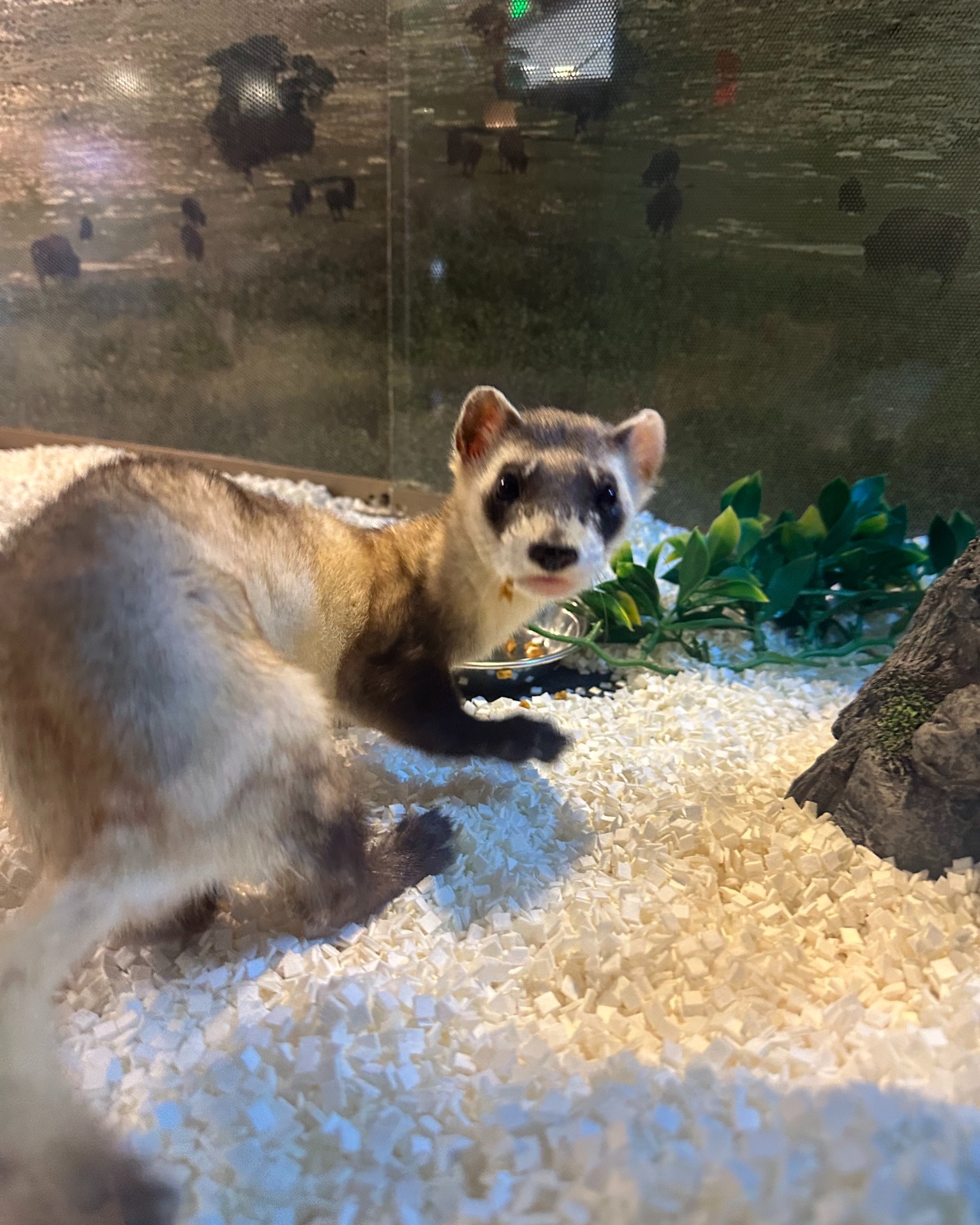
Carnelian’s playful nature and rapid movements are captivating. These ferrets typically weigh about 1.5 to 2.5 pounds and measure around 1.5 feet long, with a slender, agile body perfect for hunting. Their fur is a light buff color, complemented by dark patches on their limbs and face, giving them their name. They have exceptional agility and speed, which helps them navigate through their underground burrows. Visitors to the zoo will find themselves amused and fascinated as they watch Carnelian dart around in his enclosure, expertly investigating every corner.
Understanding the behavior of black-footed ferrets is crucial for appreciating their role in the environment. These animals are primarily nocturnal, making them adept hunters at night. They rely heavily on their keen sense of smell, which allows them to track prey effectively. Social structures within black-footed ferret populations vary, with some individuals being solitary while others prefer living in small groups. Carnelian embodies these traits exceptionally; you might spot him playing, climbing, and burrowing, providing valuable insights into ferret behavior.
The conservation of black-footed ferrets has become increasingly important over the past few decades. They faced significant threats from habitat loss, disease, and decreased prey populations. Their numbers plummeted in the 20th century, leading to their classification as endangered. Thankfully, dedicated conservation programs have made strides in reviving populations. Captive breeding and reintroduction projects aim to restore ferret populations to their natural habitats, while educational initiatives raise awareness about their plight. Zoos are pivotal in these efforts, serving as both sanctuaries and educational hubs.
Carnelian’s presence emphasizes the mission of zoos in wildlife conservation. Zoos like Roosevelt Park Zoo are not only places for recreation but also vital centers for research, education, and breeding programs that ensure the survival of endangered species. Public engagement enhances conservation messages, fostering a deeper understanding of the animals and the environmental challenges they face. Through educational presentations and interactive experiences, visitors learn about black-footed ferrets’ natural behaviors and the necessary steps for their protection.
In addition to zoo efforts, public involvement is crucial in bolstering black-footed ferret conservation. Supporting wildlife organizations, volunteering, and participating in local initiatives can greatly impact these small creatures’ futures. Financial donations to conservation programs can fund habitat restoration, research, and educational campaigns aimed at increasing public awareness. Engaging in community discussions about the importance of biodiversity can help reshape perspectives on wildlife conservation, reaffirming the value of species like Carnelian.
Carnelian serves as a reminder of how interconnected our ecosystems are and the importance of protecting them. As an ambassador for his species, he fosters interest and empathy toward one of North America’s most vulnerable mammals. Each visit to the zoo not only entertains but also informs and encourages action for conservation.
In summary, Carnelian is not just a playful resident of Roosevelt Park Zoo; he symbolizes a larger movement dedicated to the survival of black-footed ferrets. With only a small population left in the wild, efforts to conserve this species are more critical than ever. By visiting the zoo, you contribute to the overall awareness and protection of these fascinating creatures. Whether through educational programs, direct action, or simply sharing information, everyone can play a role in ensuring that black-footed ferrets continue to thrive in their native habitats for generations to come.
*****
Source Description
🌟 Meet Carnelian! 🌟
Say hello to the newest (and possibly sneakiest) member of the Roosevelt Park Zoo family—Carnelian, our black-footed ferret! 🖤🐾
Black-footed ferrets are one of North America’s most endangered mammals, and we’re proud to help protect this rare and rambunctious species. Carnelian may be small, but they’ve got a big personality and an even bigger mission: raising awareness for ferret conservation!
Stop by and see if you can spot this curious critter—just don’t blink, they’re quick!
