
- The implications of yoga on physical and mental health.
- The significance of sleep and fatigue in daily activities.
- The relationship between human behavior and animal conservation efforts.
- The role of yoga instructors in promoting wellness and community engagement.
- The importance of flexible scheduling in fitness programs.
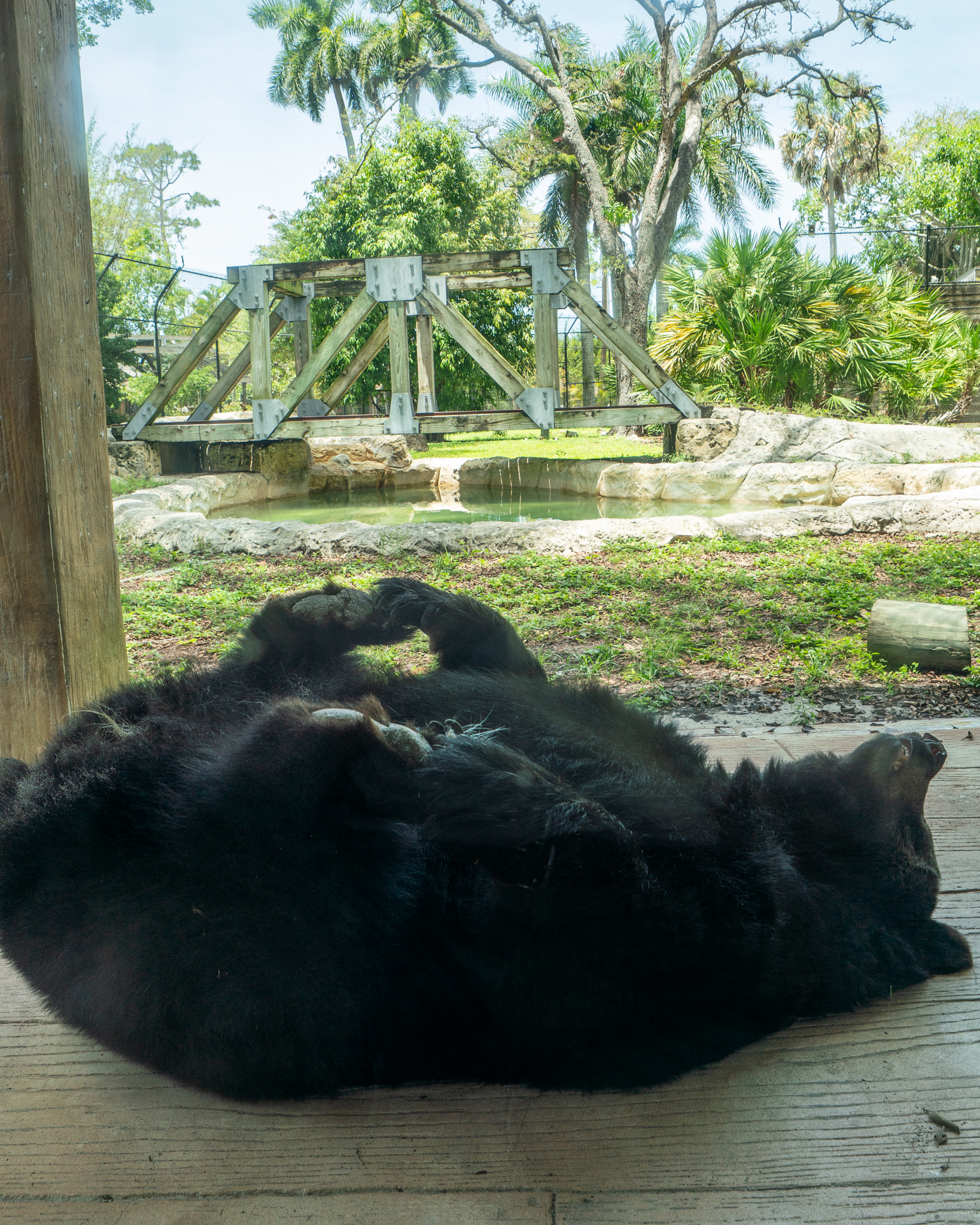
In the bustling world of wellness, the daily yoga class often serves as a beacon of calm and mindfulness. However, in a twist of events, our morning yoga class was canceled as our instructor, Anna, fell asleep while in the “Happy Baby” pose—a humorous yet revealing situation that has implications both within the realm of yoga and beyond. This incident is not merely an amusing anecdote; it raises essential questions about the intersections of physical activity, mental acuity, and the larger implications for education and conservation in wildlife management.
The practice of yoga has long been lauded for its myriad benefits on both physical health and psychological well-being. As participants transition into various poses, including “Happy Baby,” they engage in stretches that improve flexibility and reduce stress. This is crucial in a society often grappling with anxiety and fatigue. Scientific studies have shown that yoga not only enhances strength but also aids in the reduction of cortisol levels, leading to improved overall mental health. Engaging in yoga helps participants develop coping strategies for the stresses of life, providing them with tools that are useful in both personal and professional settings.
Yet, Anna’s sleep in this seemingly harmless pose emphasizes the critical role that sleep plays in our daily lives. Fatigue can undermine our ability to function effectively, impacting both our physical capabilities and cognitive performance. According to the National Sleep Foundation, adults require approximately 7-9 hours of sleep per night. Chronic sleep deprivation can lead to a host of issues, including impaired judgment and decreased productivity. This situation speaks volumes about the importance of sleep hygiene and the need for managing work-life balance. Just as Anna needed an unexpected rest, people in various professions can find themselves stretched too thin, missing out on essential periods of recovery, which can lead to burnout.
The connection between human behavior and wildlife conservation deserves attention as well. Much like Anna’s need for rest can be paralleled with how zoo animals require adequate rest and stimulation, the behaviors of professionals in various fields can affect how they engage with environmental issues. Conservation efforts hinge upon the understanding that wildlife thrives in environments that ensure their well-being. Wildlife management necessitates a holistic approach, examining how human behavior—be it through conservation practices or public education—can significantly influence the health of ecosystems.
When yoga instructors like Anna fall asleep during class, the community surrounding the practice must ask whether they are receiving sufficient support and resources. Just as zookeepers are encouraged to continue education on animal behaviors and habitats, yoga instructors benefit from professional development that includes understanding fatigue management and coping strategies. Rigorous preparation is not only essential for zoo management to create enriching environments for animals, but it is equally critical for fitness instructors to foster healthy communities.
Another key factor driving home the importance of flexibility is evident in scheduling fitness programs. The sudden cancellation of a morning yoga class poses a real-world example of the necessity for adaptive strategies in wellness programs. Scheduling flexibility can provide instructors the necessary space to recuperate and can allow participants to explore other fitness opportunities. Just as wildlife conservationists must adapt strategies based on seasonal changes and animal behavior, effective fitness programs require adaptability that meets the evolving needs of the community.
In the broader context of biological and ecological studies, there is a lesson to be drawn from both Anna’s sleep and our collective need for rejuvenation. Different species exhibit behaviors centered on resting or socializing, serving an essential role in their ecosystem. In terms of conservation, understanding these animal behaviors can assist in developing strategies for rehabilitation. Every creature, whether in a yoga class or in the wild, requires both individual attention and communal support to thrive.
Instructors and conservationists alike must consider the implications of their work on both their immediate surroundings and the wider ecosystem. Teaching yoga is about more than just guiding others through poses; it involves creating a nurturing environment that fosters growth and understanding. Similar attributes apply to wildlife conservation. Zookeepers and wildlife managers focus on enriching animal habitats to support the natural behaviors of various species. The parallels are unmistakable. The role of a fitness leader may expand to include advocating for wildlife protection and sustainable practices within their community.
Moreover, participants in yoga contribute to their own wellness while encouraging others to do the same. This idea of interdependence speaks to the heart of community engagement and the significance of shared goals. Participating in group activities, whether yoga or community clean-ups, fortifies relationships and constructs networks that support conservation efforts. Each action, no matter how small, contributes to a larger mission of promoting well-being—both human and animal.
Anna’s sleepy moment serves as a reminder of the balance we all require. In today’s fast-paced world, maintaining that balance is crucial not only for personal well-being but for the health of our environmental surroundings as well. Keeping in mind the needs of wildlife helps to shed light on our responsibilities toward the earth and its inhabitants. A holistic approach to health and fitness—combining physical activity with sleep, community support, and conservation initiatives—results in a more sustainable environment for all.
Engagement in yoga, as in wildlife protection, requires awareness. Practitioners must be mindful of their bodies and their behaviors while encouraging a sense of accountability toward the world at large. Addressing fatigue, understanding community dynamics, and promoting conservation will lead to wellness that is both physical and emotional.
Thus, while it may have seemed humorous that Anna fell asleep during class, the realities surrounding it underscore vital themes in the intertwining of human health with sustainability and education. This incident illustrates the importance of promoting healthy lifestyles while simultaneously nurturing the ecosystems that surround us. Every participant in the system—be it a yoga instructor trying to manage fatigue, a zookeeper safeguarding the welfare of animals, or community members engaging in conservation—must embrace their role in the intricate web of life.
The yoga community must adapt to the essential rhythms of life while promoting wellness. Embracing restorative practices, encouraging open dialogue about fatigue, and incorporating flexible schedules can transform not only personal health but foster a deeper connection to wildlife conservation efforts. In this way, the sleepy misadventure can serve as an enlightening prompt for us all to reflect on our relationships with each other and the natural world, leading to a more responsible and compassionate existence.
*****
Source Description
Morning yoga class canceled. Our instructor Anna fell asleep in the “Happy Baby” pose…again.
