
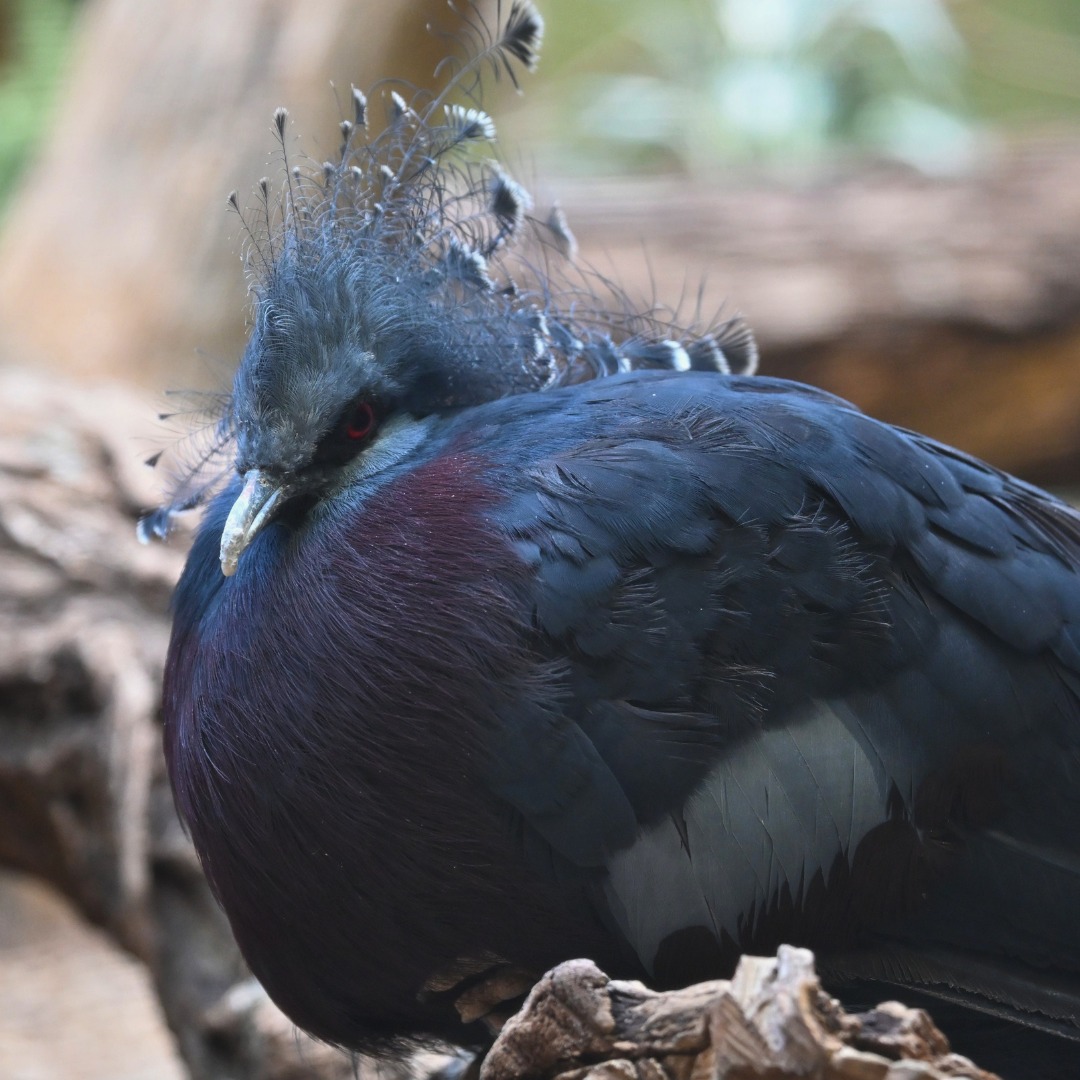
- The remarkable history and background of Mary, the Victoria Crowned Pigeon
- Individualized care practices for aging zoo animals
- The role of donor support in wildlife conservation projects
- The nutritional needs and health challenges of aging birds
- The social behavior and habitat dynamics of the Victoria Crowned Pigeon
Mary, the Victoria Crowned Pigeon at the National Aviary, stands as a symbol of longevity and conservation efforts in zoological settings. This bird, hatching into the world during the 1980s, has become one of the oldest representatives of her species found in an AZA-accredited facility. Understanding her life story involves exploring not just her species’ ecological role, but also the care practices that have contributed to her well-being.
Victoria Crowned Pigeons are native to the lowland rainforests of New Guinea. This majestic species garners attention for its striking appearance, characterized by intricate head crests and deep blue plumage. Unfortunately, habitat loss due to deforestation and hunting has placed this species at risk. Conservation efforts aim to preserve their natural environments and educate the public about the threats they face. Mary’s long life has provided valuable insight into the life expectancy and behavioral needs of these birds in a controlled environment.
Caring for aging animals like Mary requires a deep understanding of their biological needs. Her care team has implemented an individualized routine designed to promote her health and comfort in her golden years. Central to this routine is a raised feeder that alleviates strain on her neck, allowing for easier access to food. Such thoughtful adjustments play a critical role in maintaining the health of elderly birds, which often face difficulties related to mobility.
In addition to her feeding regimen, Mary enjoys low perches that let her bask in the sunlight without excessive effort. This is essential for her physical and mental well-being as pigeons thrive when they are active and engaged. The maintenance of a suitable environment is crucial not only for physical health but for social behavior as well. Mary has shown a positive attitude, regularly socializing with her fellow habitat mates, which is vital for the species’ social dynamics.
Aging birds can face several health challenges, and Mary is no exception. Her diet has been optimized to maximize nutrition and support her various age-related conditions. Specific dietary requirements are essential for maintaining bone health, feather condition, and overall vitality in older birds. As part of her care program, medications tailored to her specific needs have been integrated. This approach mirrors what is practiced in human geriatrics, emphasizing preventative care and quality of life.
Mary’s story highlights the importance of donor support in wildlife conservation. Contributions from individuals can directly affect the resources available for animal care. Thanks to the generosity of an anonymous donor, the National Aviary has launched a Spring Annual Campaign focusing on enhancing the quality of life for aging animals like Mary. Each contribution is matched dollar for dollar up to $30,000, amplifying the impact of every gift received. This type of support not only benefits individual animals but also fosters broader conservation initiatives aimed at protecting wildlife.
Through these financial gifts, zoos and aviaries can research best practices for animal care and make necessary improvements. Developing enhanced habitats, improving dietary options, and increasing educational programs about wildlife are just a few areas that benefit from donor generosity. A well-funded facility can offer a more enriching environment for animals, leading to healthier populations and improved public awareness of conservation challenges.
The nutritional aspects of care cannot be overstated. Birds, particularly as they age, have specific dietary needs that must be addressed to avoid obesity, malnutrition, or other health issues. A diet rich in varied nutrients is essential for the well-being of the Victoria Crowned Pigeon. This includes fresh fruits, vegetables, and specially formulated pellets that deliver essential vitamins and minerals. Constant evaluation of an individual bird’s intake, along with adjustments based on their condition, is a key component of their care.
In addition to proper nutrition, understanding social behavior can contribute to successful management in captivity. Victoria Crowned Pigeons exhibit social interactions that include vocalizations and visual displays. These behaviors often decrease when birds are kept alone, leading to stress and potential health issues. Maintaining a social group allows for natural interactions, fostering a more stimulating environment for animals like Mary.
Zoo habitats must mirror the natural settings to encourage these behaviors and provide mental stimulation. Ample space for movement, areas for perching, and opportunities for socialization are all vital components of a successful habitat. Mary’s continued social engagement in her enclosure demonstrates that these factors can significantly enhance an animal’s quality of life.
The evolution of zoo management practices has been largely influenced by understanding the unique needs of aging animals. Established protocols have emerged that focus on enhancing the welfare of these animals, rather than merely maintaining their existence. Today, many accredited zoos prioritize enrichment activities that promote physical and mental engagement. This includes new habitat designs, interactive feeding strategies, and regular health assessments tailored to individual needs.
The case of Mary, the Victoria Crowned Pigeon, serves as an exemplary model of successful animal care in a modern zoological setting. Through dedicated staff efforts, supportive donor contributions, and scientifically grounded practices, Mary not only continues to thrive but also educates visitors about her species and the challenges they face.
Mary’s journey inspires deeper engagement with wildlife conservation efforts. For those interested in both zoology and conservation, understanding the framework of animal care emphasizes the importance of community involvement. Through the contributions of caring individuals, institutions can further enhance the knowledge surrounding animal care and environmental stewardship.
Through Mary’s story, we can appreciate not only her personal history but the collective efforts in conservation, animal care, and education. By highlighting the critical work done at the National Aviary, we illustrate the blend of science and compassion that defines modern zoological practices. Engaging the public’s interest in wildlife and instilling a sense of responsibility is paramount for the ongoing preservation of species facing threats.
Supporting initiatives like the Spring Annual Campaign directly contributes to furthering this mission. Each dollar raised helps secure the future of not only Mary but many species that rely on conservation efforts. As we reflect on the lessons from her life, we reinforce the importance of commitment to wildlife through informed actions and generosity.
The compassion shown by Mary’s care team exemplifies a strong commitment to animal welfare, promoting a life of engagement, health, and community that resonates far beyond the confines of her enclosure. By fostering a culture of learning and appreciation for wildlife, we can create a brighter future—one that honors the remarkable lives of animals like Mary and the ecosystems to which they belong.
*****
Source Description
🎬There’s Something About Mary…
Hatching into this world in the 1980s, the National Aviary’s most regal Victoria Crowned Pigeon, Mary, is one of the oldest of her species living in an AZA-accredited zoo.
To make the most of her golden years, Mary’s care team has designed an individualized care routine, which includes a raised feeder to reduce the strain on her neck when she feeds, low perches for her to rest and soak up the sun, and a diet that maximizes her nutrition intake along with medications for a host of age-related conditions.
And this care is evident in her care team’s eyes, as they observe her spunk and lust for life, and she regularly socializes with her other habitat mates.
Thanks to the generosity of an anonymous individual donor, each gift to our Spring Annual Campaign: For the Golden Years will be matched dollar for dollar up to $30,000.
Give today in honor of our spunky Mary:
