
- Explore the role and responsibilities of Zoo Director John during morning walk-throughs.
- Understand the significance of nesting season for both wading birds and crocodilians.
- Delve into egg conservation strategies and their impact on wildlife preservation.
- Examine the dynamics of zoo management and its contribution to environmental education.
- Highlight the broader conservation efforts supported by zoos and their educational missions.
Morning walk-throughs at the zoo offer a unique glimpse into the world of conservation and wildlife management. Led by Zoo Director John, these walks are not just about observing animals; they are an integral part of zoo operations, providing insights into animal health, habitat conditions, and new developments. John begins his day early, navigating the sprawling landscapes of the zoo with purpose and care. His role encompasses a variety of tasks, from overseeing animal welfare to ensuring the zoo aligns with conservation goals.
The walk-throughs involve a thorough inspection of the habitats. John keeps a keen eye out for any signs of distress or changes in animal behavior. His expertise in zoology and animal behavior is crucial to maintaining a harmonious environment for the zoo’s inhabitants. This hands-on approach allows him to spot potential issues and address them before they escalate. The physical presence of a director in these areas also reassures both staff and animals, fostering a sense of stability and routine.
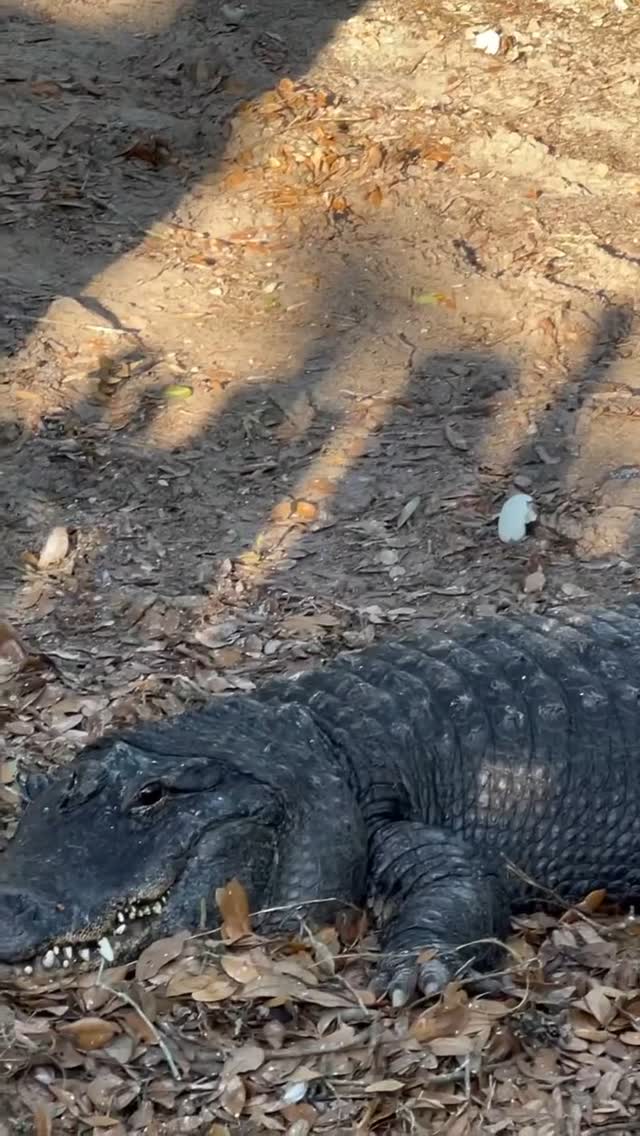
Central to this time of year is the nesting season, which brings a flurry of activity, particularly among the zoo’s wading birds and crocodilians. The rookery becomes a hub of life as birds build nests and lay eggs. The visual spectacle of nests perched on tree branches, eggs glistening in the sunlight, is a testament to the vibrant cycle of life. Meanwhile, crocodilians, which include species like the American alligator and various crocodiles, start nesting. These reptiles are particularly sensitive to their environment, requiring specific conditions to ensure successful breeding.
This period also demands particular attention to egg conservation practices. Eggs and eggshells are found throughout the zoo, highlighting the importance of preserving these fragile beginnings of life. The zoo employs various strategies to protect these eggs from predators and environmental hazards. For crocodilians, this involves monitoring temperature and humidity, vital factors for the gender determination in their offspring. The meticulous care taken to simulate natural conditions is a testament to the zoo’s commitment to conservation.
Zoo management plays a pivotal role in implementing and monitoring conservation strategies. Besides providing a safe haven for species, zoos like this one serve as educational platforms. Visitors are not only entertained; they leave with a richer understanding of wildlife and the importance of preserving it. Educational programs are designed to engage visitors, fostering a deeper connection to the animals and habitats they encounter. By incorporating interactive exhibits and guided tours, the zoo enhances public awareness about biodiversity and the need for conservation.
John’s leadership extends beyond daily operations to broader efforts that support wildlife conservation. Through partnerships with global conservation organizations, the zoo contributes to research and initiatives aimed at protecting endangered species. These collaborations often involve sharing technological resources and expertise to develop conservation technology, such as tracking devices for animals in the wild. Additionally, the zoo participates in breeding programs that help bolster populations of threatened species.
The educational mission of zoos is not just an ancillary benefit; it’s a core objective. By imparting knowledge about animal behaviors and habitats, zoos inspire action and advocacy in conservation. Through school outreach programs, workshops, and special events, they engage diverse audiences, creating a ripple effect that extends beyond the zoo’s walls. John believes in the transformative power of education and strives to create experiences that resonate with visitors of all ages.
In conclusion, morning walk-throughs at the zoo with Director John are more than routine check-ins. They encapsulate the essence of zoo management, wildlife conservation, and education. By focusing on the nesting season of wading birds and crocodilians, the zoo highlights its role in conserving biodiversity. These efforts are not just about maintaining a well-run zoo but also about ensuring a future where wildlife thrives in harmony with the natural world.
Through committed leadership, collaboration, and a focus on education, zoos continue to play an indispensable role in conservation, bridging the gap between humans and the rich tapestry of life that surrounds us.
*****
Source Description
Morning Walk-Through with the Zoo Director, John 🐊 Eggs and eggshells can be found all over the zoo this time of year. The wild wading birds come to our rookery and it’s nesting season for crocodilians. 👏
