
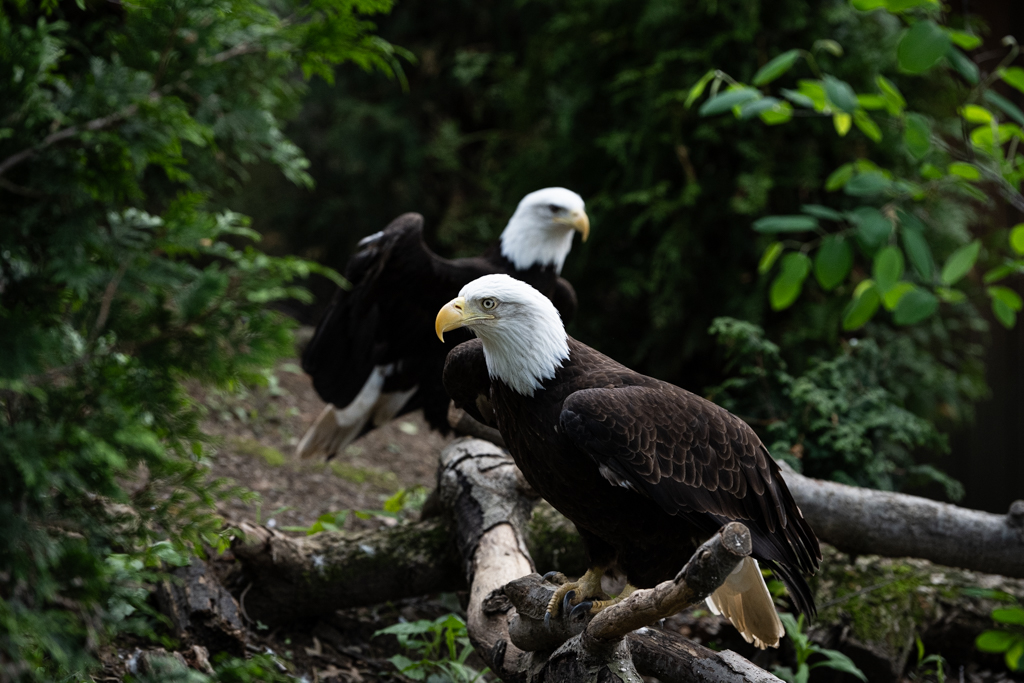
- The US Fish and Wildlife Service’s proposed redefinition of "harm" could undermine habitat conservation efforts.
- Habitats are crucial for the survival and recovery of endangered species, beyond just protecting individual animals.
- Conservation efforts at places like Pittsburgh Zoo & Aquarium highlight the importance of preserving natural habitats.
- The potential impact of redefining "harm" on biodiversity and ecological balance is significant.
- Public involvement and advocacy are crucial in shaping conservation policies and ensuring ecosystem health.
The US Fish and Wildlife Service’s recent proposal to redefine "harm" within the Endangered Species Act has sparked widespread concern among conservationists and wildlife advocates. The proposal aims to narrow the definition, focusing solely on direct acts against individual animals rather than considering the broader impact on habitats. This shift could have profound implications for the long-standing efforts to protect endangered species.
Habitats are integral to the survival of species, providing the necessary resources, shelter, and conditions for life. When habitats are damaged or destroyed, the consequences extend beyond individual organisms, affecting entire populations. It’s imperative to maintain the integrity of these environments to support biodiversity and ecological balance. The proposed change challenges the foundational principles of habitat conservation by minimizing the importance of preserving ecosystems as a whole.
At institutions like Pittsburgh Zoo & Aquarium, conservation initiatives underscore the critical role of habitats in sustaining wildlife. The zoo’s efforts, which span from preserving regional streams for hellbenders to protecting areas vital for songbirds, demonstrate the interconnectedness of species and their environments. These efforts reflect a commitment to holistic conservation that recognizes the importance of habitat preservation alongside species protection.
The potential repercussions of redefining "harm" could disrupt biodiversity significantly. Habitat loss is a primary driver of species decline, leading to decreased genetic diversity, disrupted food chains, and altered ecosystems. By redefining harm to exclude habitat destruction, the proposed change disincentivizes habitat conservation, potentially accelerating the decline of vulnerable species. Protecting habitats ensures the survival of species and maintains ecological functions vital to human well-being.
Public participation and advocacy remain essential components in shaping conservation policies. Engaging with these issues helps safeguard ecosystems and ensures the protection of our planet’s natural heritage. By participating in public comment periods and voicing concerns, individuals can influence policy decisions that impact environmental conservation strategies. Supporting habitat conservation efforts aligns with preserving biodiversity and sustaining ecological health for future generations.
*****
Source Description
The US Fish and Wildlife Service is proposing a change to the Endangered Species Act — redefining what counts as “harm.” Defining “harm” as acts against individual animals only, instead of destruction of their habitats, will have drastic effects on the species and their ability to thrive. At Pittsburgh Zoo & Aquarium, our wildlife conservation work embraces the stewardship of species and their habitats, from the hellbenders in regional streams to the songbirds and their habitats. We strongly advocate for the conservation of habitats for endangered animals and plants.
Please join us in advocating for healthy habitats and submit your comment against this proposed redefinition of harm through the link in our bio.
