
- The role of dental health in wildlife conservation and zoo management.
- The significance of the song My Shiny Teeth and Me as a cultural reference in education.
- Insights into how dental care contributes to overall animal health and welfare.
- Techniques and best practices utilized in maintaining dental hygiene for animals in zoos.
- The impact of dental health on animal behavior and survival in the wild.
Animal dental health plays a pivotal role in the broader scope of wildlife conservation and zoo management. Teeth are not just instrumental for survival, but also indicate overall health and well-being. In parallel, the tongue-in-cheek song “My Shiny Teeth and Me” underscores the cultural fascination with dental aesthetics. This blend of pop culture and scientific practice provides a unique perspective on how animal dentition is vital for those dedicated to zoological stewardship.
The song, famously sung by a character obsessed with oral hygiene, reflects a societal emphasis on dental aesthetics and health. While it serves as an entertaining nod to the importance of dental care, it inadvertently raises awareness about an often-overlooked aspect of animal wellness. The catchy tune can be a springboard for discussions in educational contexts, particularly when introducing concepts about animal husbandry and conservation to diverse audiences.
Dental care in animals is a critical component of maintaining optimum health. In the wild, animals rely on their teeth for eating, defense, and mating rituals. Poor dental health can lead to infections, malnutrition, and eventually, decreased survival rates. In captivity, zoo veterinarians prioritize dental care to mimic the natural processes that occur in the wild. For example, providing bones or specific vegetation can help wear down teeth naturally, preventing overgrowth and complications.
Zoos and wildlife parks implement a variety of methods to maintain animal dental health. Regular check-ups are essential. Veterinary teams often include dental specialists who perform routine examinations, cleanings, and interventions if necessary. Anesthesia is commonly used to allow thorough assessment and treatment. Training animals to participate voluntarily in these procedures minimizes stress and promotes cooperation. Positive reinforcement is a powerful tool in encouraging animals to open their mouths for examination or to allow brushing.
Moreover, proper nutrition supports dental health naturally. Offering species-appropriate diets helps maintain strong teeth and gums. For instance, carnivores such as lions and tigers benefit from bones that help clean teeth, similar to their dietary habits in the wild. Conversely, herbivores may require roughage to facilitate natural grinding and wear down their continuously growing teeth. This tailored nutrition complements physical exams, serving as a preventive approach against dental ailments.
In the wild, dental health affects behavior and survival. Healthy teeth are crucial for securing food through hunting or foraging. Moreover, oral health can influence social hierarchies and breeding success. Infected teeth or gums weaken an animal’s ability to compete for mates or defend territory, potentially affecting entire populations.
Through a combination of medical expertise and behavioral training, zoos strive to maintain high standards of animal welfare. They ensure that dental health is not neglected, integrating it into comprehensive care plans. This approach not only aids the individual animal but supports conservation goals by maintaining healthy, sustainable populations that may contribute to genetic diversity and potential reintroduction programs.
Conserving wildlife involves thoughtful attention to various aspects, including dental health. The lessons learned in controlled environments help shape conservation practices and improve understanding of specific dental requirements across species. The integration of cultural elements, like “My Shiny Teeth and Me,” showcases creative ways to bridge the gap between public interest and serious scientific endeavors.
*****
Source Description
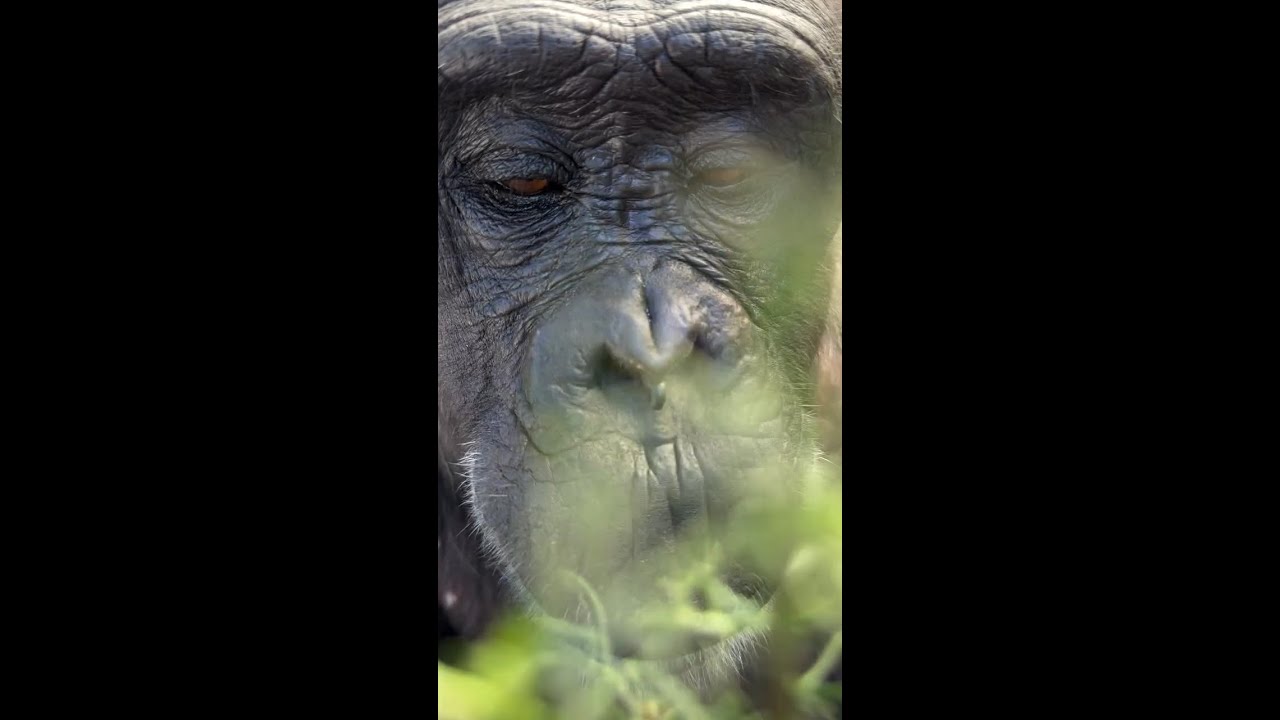
Like humans, chimpanzees like Magadi, often get various degrees of staining on their teeth. During training sessions, Magadi regularly participates in toothbrushing to keep her teeth healthy and strong!
📸 Dianne M.
