
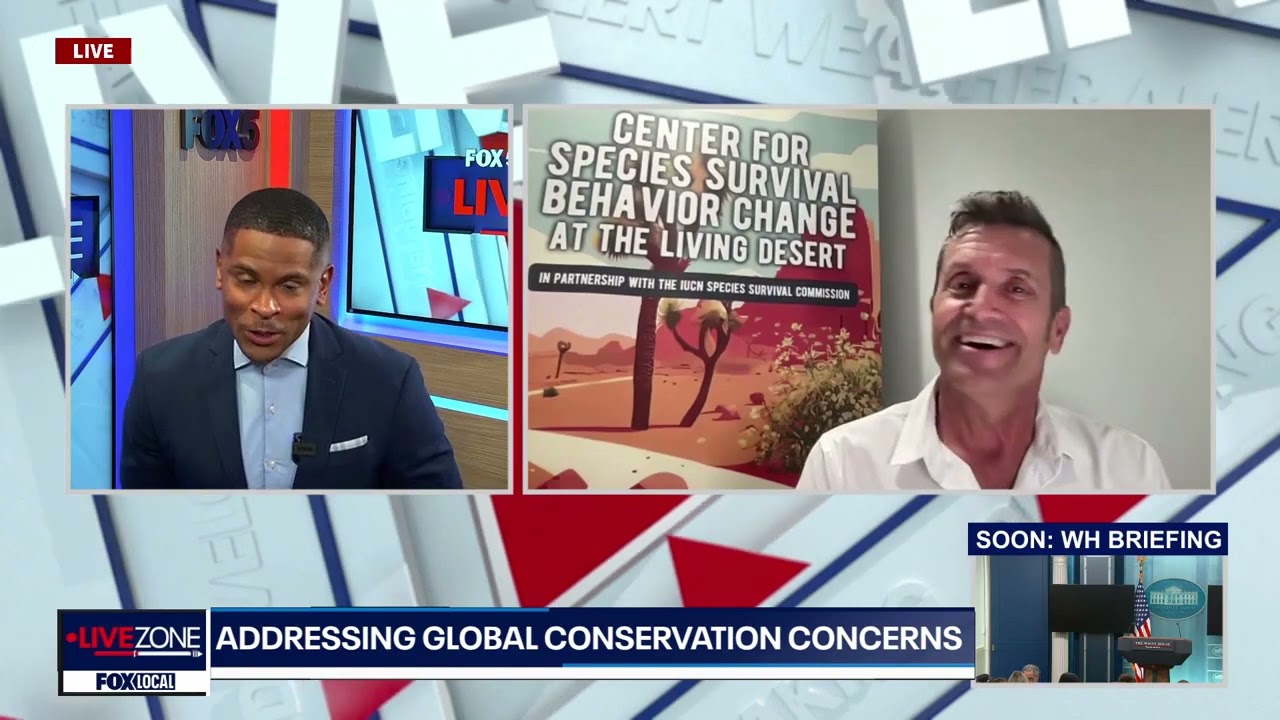
- The purpose and goals of the Center for Species Survival at The Living Desert.
- The significance of behavior change in wildlife conservation.
- The role of research and education in species survival initiatives.
- Community engagement strategies and partnerships for conservation efforts.
- Future directions and the potential impact of the Center on the conservation landscape.
The Center for Species Survival at The Living Desert stands as a significant initiative aimed at wildlife conservation and species preservation in the context of rapidly changing environments. Established with a mission to address the challenges faced by various animal populations, this center integrates innovative strategies to promote proactive conservation practices. The core mission is to enhance species survival through specifically designed programs that encourage behavior change both within animal species and among human populations.
Behavior change is central to the objectives of the center. Understanding the behavioral patterns of species is crucial for effective conservation strategies. For instance, how species react to habitat changes, climate variations, and human interactions plays a vital role in their survival. Behavior change initiatives focus not just on the animals themselves but also on human behaviors that influence environmental health. These initiatives are essential for creating a sustainable balance between human activities and wildlife needs.
A robust research framework supports the center’s work. The Living Desert emphasizes a science-based approach to species conservation. Research conducted at the center encompasses various aspects of animal behavior, ecological interactions, and the impacts of climate change. By employing both observational studies and experimental interventions, researchers can gather data that informs the best practices for species management. This scientific basis is critical for developing effective conservation strategies that lead to measurable outcomes in wildlife populations.
Education is a fundamental component of the Center for Species Survival’s mission. By educating the public about wildlife conservation, the center fosters a community of informed advocates for animal welfare. Outreach programs, workshops, and educational resources aim to raise awareness about the plight of various species and the importance of conservation efforts. Engaging the community in learning experiences surrounding biodiversity and ecological balance cultivates a sense of responsibility among individuals and organizations.
Collaboration is another cornerstone of the center’s operations. Building partnerships with local, national, and international conservation organizations amplifies the impact of its initiatives. These collaborations can facilitate resource sharing, encompass a wider range of expertise, and broaden the reach of educational programs. The center actively engages with governmental bodies, NGOs, and community groups to enhance conservation efforts and advocate for policy changes that benefit wildlife. This collaborative approach not only increases the effectiveness of conservation strategies but also nurtures a network of support among various stakeholders.
Looking ahead, the Center for Species Survival is poised to play a pivotal role in shaping the future of wildlife conservation. As the challenges to biodiversity become increasingly urgent, the strategies being developed at The Living Desert will inform practices and policies globally. The emphasis on both wildlife behavior and human action underscores the interconnectedness of species and their habitats. By addressing these aspects, the center aims to foster sustainable conservation practices that extend beyond its local environment.
The tasks modeled at the center encapsulate broader conservation goals that resonate with current ecological challenges. Climate change, habitat loss, and human-wildlife conflict are just a few of the pressing issues necessitating innovative approaches. The research developed in this context directly contributes to actionable strategies for mitigating these problems. Conservation biology offers insights into the adaptive behaviors of species, and these insights can be harnessed to guide policies that promote coexistence and resilience in wildlife populations.
The role of technology in conservation cannot be overlooked. Advances in data collection and analysis have transformed how wildlife researchers monitor populations and assess conservation strategies. The Living Desert is leveraging these tools to enhance its conservation efforts. Technologies such as GPS tracking, camera trapping, and genetic analysis enable scientists to gather comprehensive data on animal movements, breeding patterns, and population health. These findings inform management decisions and ecological assessments, thereby reinforcing the need for a data-driven approach in species preservation programs.
Educational programs play a crucial role in shaping public perception and engagement with wildlife conservation. The Living Desert’s initiative offers various learning avenues for visitors, schools, and community members. These programs highlight the importance of biodiversity and the delicate balance of ecosystems. Interactive exhibits and live demonstrations emphasize the role that each species plays in its habitat, promoting empathy and respect towards wildlife. By encouraging curiosity and understanding, the center is amplifying its impact on conservation through grassroots efforts.
Community engagement is a fundamental aspect of behavioral change. The Living Desert fosters initiatives that involve local communities in conservation activities. These might include habitat restoration projects, citizen science programs, and volunteer opportunities. By empowering individuals to take active roles in wildlife conservation, the center is helping to cultivate a collective ownership of local ecosystems. Social media campaigns, workshops, and public events serve as platforms to guide conversations around conservation and its importance.
Internally, The Living Desert prioritizes continual growth and adaptation in line with best practices in conservation management. The organization conducts regular assessments of its programs and seeks feedback to ensure that the initiatives align with evolving challenges in wildlife conservation. By incorporating lessons learned from past projects, the center remains agile in its response to new emerging threats to species survival.
The complexities of species conservation require multifaceted approaches, and The Living Desert exemplifies this through its integrated model of research, education, and community involvement. The synergy between these elements amplifies the center’s effectiveness in safeguarding wildlife for future generations. Through its focus on both species behavior and human engagement, the center fosters a holistic approach that recognizes the interplay of natural ecosystems and human activities.
One crucial aspect of this initiative is its recognition of how emotional connections with wildlife can lead to increased conservation efforts. People often engage more deeply with species they feel attached to or inspired by. The Living Desert emphasizes the stories of individual animals, showcasing their unique traits and characteristics. This strategy helps humanize wildlife and encourages a sense of stewardship among the public. By sharing personal narratives about the animals under its care, the center makes wildlife conservation relatable and impactful.
The global context of wildlife conservation also shapes the discussions and practices adopted by the Center for Species Survival. Species do not adhere to human-made borders, and their migration patterns often transcend regional landscapes. Therefore, the center acknowledges the necessity for international cooperation in conservation efforts. Collaborative research initiatives and shared conservation strategies can considerably enhance the efficacy of species management across borders.
The challenges posed by climate change on wildlife habitats require ongoing commitment and innovation. By keeping pace with scientific advancements and ecological developments, The Living Desert positions itself as a leader in wildlife conservation. The proactive measures and forward-thinking strategies being implemented at the center serve as a model for similar organizations globally.
Looking forward, the impact of the Center for Species Survival is likely to ripple beyond its immediate environment. By fostering an understanding of the delicate interdependencies that characterize ecosystems, the center lays a foundation for a more holistic approach to wildlife conservation. Every action taken today influences the future of species preservation, and the center is well-equipped to guide these discussions and efforts in meaningful ways.
The work of The Living Desert extends far beyond traditional zoo management; it encapsulates a transformative vision for the future of wildlife conservation. Addressing the intricate challenges facing various species today requires a blend of science, education, and active community participation. The initiatives led by the Center for Species Survival underline the importance of a comprehensive understanding of animal behavior and its implications for conservation policies.
Effective conservation strategies will depend heavily on collaboration, education, and sustainable practices. Through community engagement programs and research initiatives, the center is poised to make a significant impact in wildlife conservation and species survival. The commitment to fostering behavioral change—both in animals and people—remains a key focus, creating pathways for lasting and meaningful change in the conservation landscape.
Ultimately, The Living Desert’s Center for Species Survival is pivotal for educating the next generation of conservationists and ensuring a future where wildlife can thrive alongside human development. Engaging narratives, scientific research, and community involvement are key elements that shape this endeavor. As awareness of ecological challenges grows, initiatives like this center become ever more essential in forging a path towards a sustainable coexistence with our natural world.
*****
Source Description
The Living Desert’s Dr. James Danoff-Burg talks about the launch of the nation’s first Center for Species Survival: Behavior Change in partnership with the International Union for Conservation of Nature (IUCN) Species Survival Commission.
