
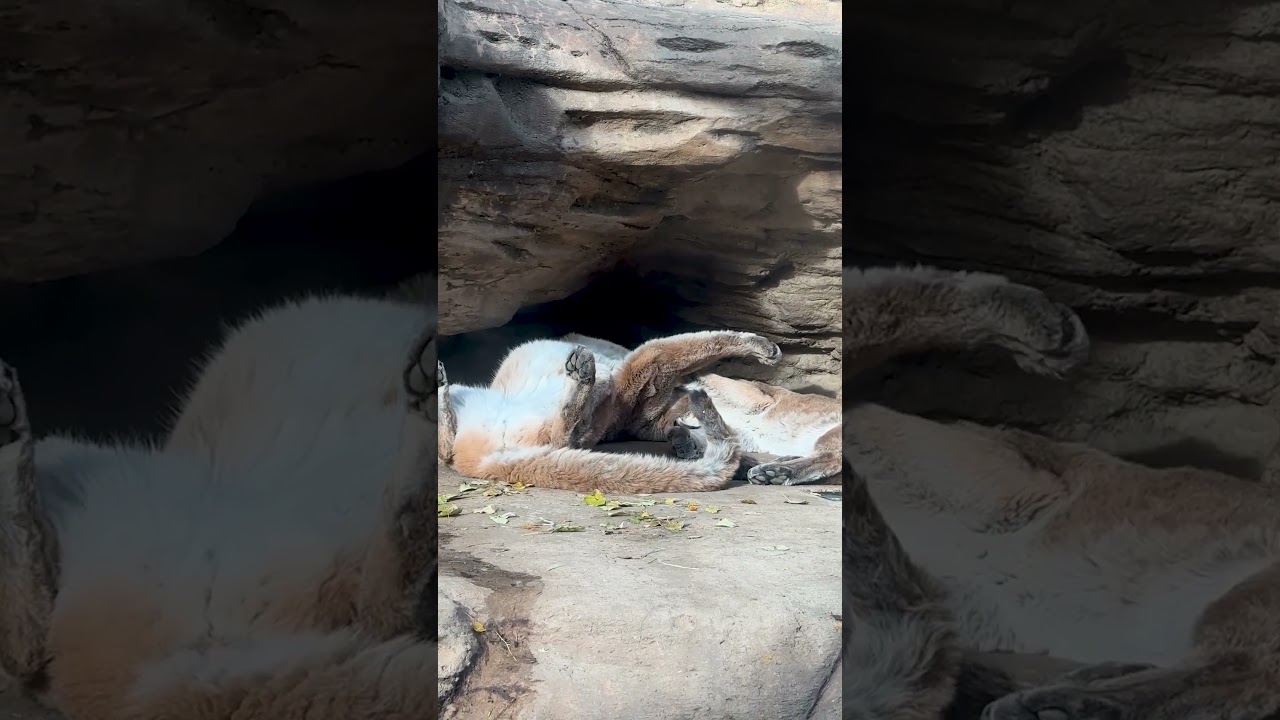
- The significance of a catnap in the animal kingdom, particularly for cats
- The impact of zoo management on feline behavior and well-being
- Contributions of zoology to understanding feline sleep patterns
- Wildlife conservation efforts and their influence on feline habitats
- The role of public awareness and education in promoting conservation
Cats are renowned for their ability to take brief naps, a behavior that holds significant importance in the animal kingdom. This simple act of resting is not just a matter of convenience but a crucial aspect of their survival strategy. Cats have evolved to maximize their energy efficiency through intermittent napping, allowing them to stay alert and ready for sudden action.
Zoo management plays a critical role in facilitating this behavior for captive cats. Ensuring that zoo environments mimic natural habits as closely as possible is vital. Enclosures designed with spaces that provide both warmth and security can encourage cats to engage in natural behaviors, including napping. Such measures contribute significantly to the animals’ stress reduction and overall well-being.
Zoology has offered deep insights into feline sleep patterns, highlighting the importance of understanding these behaviors in both domestic and wild cats. Studies have shown that the feline sleep-wake cycle involves a combination of light naps and deeper rest periods. This pattern allows them to process sensory information effectively, maintain high alertness levels, and carry out their hunting activities efficiently. Research into these patterns provides valuable insights that aid in the enhancement of conservation strategies and captive care protocols.
Wildlife conservation efforts are indispensable in safeguarding feline habitats, which are increasingly threatened by human activities. Conserving these habitats ensures that wild cats can continue to perform their natural behaviors, including their essential napping routines, without disturbance. Initiatives like protected areas and anti-poaching laws are instrumental in this endeavor.
Raising public awareness and fostering education about wildlife conservation empowers communities to participate actively in protecting feline species. Zoos serve as educational platforms, where visitors learn about the importance of preserving natural behaviors and habitats. Through targeted campaigns and outreach programs, zoos and conservation organizations can influence public perception and encourage support for conservation initiatives.
Incorporating these themes into a coherent approach can significantly impact feline conservation and welfare. Understanding and supporting the natural behaviors of cats, both in the wild and captivity, is a crucial step towards ensuring their survival and well-being.
*****
Source Description
