
Summary of Nashville Zoo Helps Rehabilitate Confiscated Cheetah Cubs in Somaliland:
Nashville Zoo is actively involved in global conservation efforts, particularly through collaboration with the Cheetah Conservation Fund (CCF) in Africa. Hospital Keeper Courtney Blakey recently traveled to Somaliland to assist in rehabilitating four rescued cheetah cubs, the youngest received by CCF. During her three-and-a-half-week stay, she provided critical care and medical supplies, supporting local teams in neonatal practices. Blakey’s experience included feeding, socializing, and monitoring the cubs’ development, while also engaging in broader conservation projects with CCF. This collaboration enhances Nashville Zoo’s conservation impact globally, underscoring the importance of teamwork in species preservation.
- Nashville Zoo partners with the Cheetah Conservation Fund to rehabilitate confiscated cheetah cubs.
- Hospital Keeper Courtney Blakey’s role in Somaliland emphasizes the importance of hands-on care in wildlife conservation.
- The urgent situation surrounding cheetah cubs highlights the impacts of illegal wildlife trade.
- The significance of international conservation efforts is demonstrated through relocation and support activities.
- Educational exchanges between zoos and conservation organizations improve rehabilitation practices and animal husbandry.
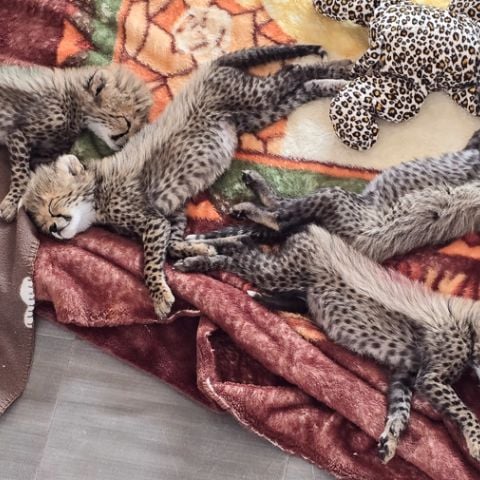
Nashville Zoo has established a strong international presence through its ongoing work with the Cheetah Conservation Fund (CCF). This partnership focuses on the rehabilitation of confiscated cheetah cubs, engaging zoo staff in critical conservation efforts. One recent initiative involved Hospital Keeper Courtney Blakey’s trip to Somaliland to care for four orphaned cheetah cubs rescued from illegal wildlife trafficking.
Cheetah populations across Africa face numerous threats, with illegal wildlife trade being one of the most pressing issues. Many cubs are smuggled as a result of demand for exotic pets, leading to horrendous suffering. The Cheetah Conservation Fund has devoted significant resources to combat this trade, working relentlessly to confiscate animals and rehabilitate them. The four cheetah cubs Blakey helped were particularly young, estimated to be only seven to ten days old at the time of rescue—an age that demands exceptional care and expertise for effective rehabilitation.
During her three-and-a-half weeks in Somaliland, Blakey focused on the daily care and nurturing of these vulnerable cubs. Her responsibilities entailed not just feeding and cleaning, but also medicating the cubs as needed. This essential work reflects a specialized area of animal husbandry that requires comprehensive training and knowledge. Blakey brought her substantial experience from Nashville Zoo to the CCF, sharing vital skills with local staff who were keen to enhance their own techniques in juvenile care.
Caring for infants, especially in a species as unique as the cheetah, involves more than just meeting their basic needs. It is a detailed process of following milestones—such as the development of their eyesight, social behaviors, and physiological changes. For instance, Blakey monitored critical developments like the cubs learning to wean from milk to solid food, a transformative phase in their well-being. Her expertise allowed her to assist the CCF team in refining their hand-rearing practices, providing a level of education that enhances the overall care of the cubs.
The Cheetah Conservation Fund serves not only as a rehabilitation center but also as a research hub. This dual role means that observations made during the care of these cubs feed back into greater conservation strategies. The interactions between staff and animals yield insights into cheetah behavior, social structures, and nutritional needs. Such insights are vital for the broader understanding of the species and inform breeding, habitat protection, and advocacy efforts aimed at ensuring sustainable populations in the wild.
Blakey’s work was multi-faceted, integrating routine animal care with educational projects that helped improve organizational efficiency. The experience also provided her with a rich opportunity to engage with the local wildlife and interact with other carnivores under CCF’s care. Participating in tasks such as carcass feeding for adult cats was invaluable, as it supplemented her knowledge of cheetah diet and nutritional preferences.
Interactions with these animals fostered a deeper connection to their natural behaviors, shedding light on their unique ecological roles. Each interaction not only serves to rehabilitate the cheetah cubs but also ensures that wildlife professionals gain firsthand experience in animal management and conservation techniques.
The challenges of caring for these young cubs underline the need for international collaboration in wildlife conservation. Nashville Zoo’s commitment to funding and equipping the CCF with necessary supplies showcases a proactive approach in conservation partnerships. Blakey returned with stories not only about the cubs but also about the vital relationships formed with the people at CCF. These connections enhance collaborative efforts, making it possible to develop conservation initiatives tailored to addressing the specific challenges facing cheetah populations.
The significance of this work at Nashville Zoo extends beyond immediate rehabilitation efforts. By providing infrastructure and educational support, such collaborative programs are essential for scaling up capacity in conservation methods. Exchanging knowledge and practices across borders facilitates advancements in animal care and broader public awareness regarding endangered species.
Finally, the reality of ensuring cheetah survival is increasingly entwined with human involvement. The illegal wildlife trade can be effectively countered through informed conservation strategies and community engagement. Initiatives backed by well-informed organizations like the CCF, and supported by dedicated institutions such as the Nashville Zoo, make strides in combating threats to wildlife.
While challenges persist, the collective efforts seen in the rehabilitation of these cheetah cubs demonstrate the power of coordinated action across international borders. Each success story is a symbol of hope in global wildlife conservation efforts, reinforcing the idea that collaborative relationships are critical for addressing the complexities of species preservation.
