
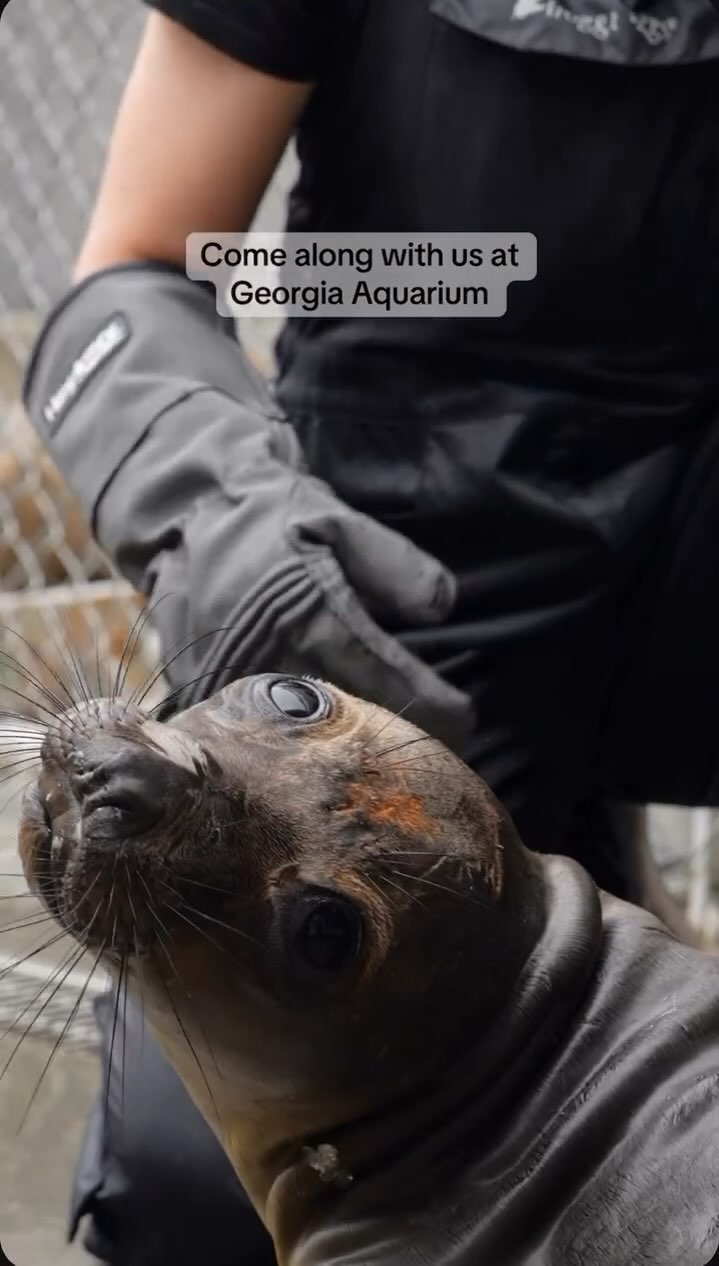
- The importance of support networks in wildlife conservation and care.
- Collaborative efforts across regions to aid marine mammal rehabilitation.
- The role of public engagement and community involvement in conservation initiatives.
- The impact of technology and social media on raising awareness and funding for marine mammal care.
- Success stories from various organizations highlighting effective rehabilitation practices.
Support networks play a pivotal role in wildlife conservation and care. The health and well-being of marine mammals are often reliant on a collective effort that spans geographic boundaries. Initiatives like the collaboration with organizations such as Marine Mammal Care exemplify the power of community, both local and national, in supporting rehabilitation efforts for these vulnerable species. This collective responsibility fosters an environment where knowledge sharing and resource pooling become essential tools for success.
Marine mammals, including dolphins, seals, and whales, face numerous challenges such as habitat degradation, pollution, and climate change. These pressures necessitate a concerted effort for their rehabilitation when they are rescued. Organizations dedicated to the care of these animals rely on support from various stakeholders, including government agencies, non-profits, and the general public. The interplay between these groups creates a network that enhances the capacity of rehabilitation centers to respond effectively to marine mammal rescues.
One exemplary model of collaborative efforts can be seen in regional rehabilitation partnerships. Facilities often share resources and knowledge on best practices for marine mammal care. For instance, if one center develops an innovative treatment protocol for a specific species, that information can be disseminated to others facing similar challenges. This kind of cooperation not only improves the quality of care for each animal but also helps evolve established protocols in response to emerging threats and data.
Public engagement is another crucial component of successful conservation initiatives. Awareness campaigns that educate the public about the plight of marine mammals can lead to increased support in terms of volunteerism and donations. Events such as beach clean-ups, educational workshops, and fundraising marathons help to create an active community that is invested in marine conservation. When communities come together for a common purpose, they can amplify their impact significantly. Volunteer training programs enable individuals to play a direct role in the rehabilitation efforts, offering their time and skills to assist with the care of animals in need.
Social media serves as a powerful tool for spreading awareness and rallying support. Various organizations utilize platforms like Instagram, Facebook, and Twitter to share updates on rescue animals, rehabilitation progress, and success stories. Engaging visuals and compelling narratives can captivate diverse audiences, resulting in increased public interest and financial contributions. The visibility provided by these platforms allows organizations to showcase their work in real-time, enhancing transparency and building trust within the community.
Technological advancements are also influencing marine mammal care. From tracking systems that monitor animal movements to telehealth consultations for remote support, technology plays an essential role in modern wildlife rehabilitation. Many centers employ sophisticated diagnostic tools to evaluate the health of marine mammals effectively. Data collected through these devices can inform the development of targeted treatment plans and facilitate ongoing assessments.
Organizations focused on marine mammal care have reported several success stories that highlight effective rehabilitation practices. For instance, the rescue of a stranded harbor seal pup may lead to a detailed rehabilitation regimen that incorporates species-specific dietary needs, behavioral enrichment, and socialization with other seals. After a successful rehabilitation process, these seals are often released back into the wild, where monitoring programs can track their recovery and integration back into their natural habitat.
Success is not limited to individual stories but can also be quantified through collective efforts. Reports demonstrating the number of animals rehabilitated over a given year, alongside evidence of behavioral improvements, provide valuable metrics for assessing the effectiveness of various programs. Such data can attract further funding and support, creating a sustainable model for ongoing initiatives.
Community participation enriches the support network needed for effective marine mammal care. Schools often collaborate with conservation organizations to initiate educational programs about marine ecosystems and the significance of marine mammals within them. Such initiatives cultivate a generation that is informed about conservation challenges and actively engages in solutions. After students learn about the threats facing marine life, they sometimes participate in fundraising efforts or awareness campaigns, amplifying their impact outside the classroom.
Collaborative research initiatives are a vital aspect of advancing knowledge in marine mammal care. Scholars and researchers often engage with rehabilitation centers to gather data. Studies focused on health outcomes correlate different treatment methods and their effectiveness, fostering an evidence-based approach to care. These academic-to-practice connections also serve as a channel for disseminating cutting-edge research back into the field, continuously refining techniques and strategies employed by rehabilitation teams.
The sharing of knowledge extends beyond just rehabilitation practices. It involves a comprehensive approach to understanding marine ecosystems, impacts of climate change, and the role human activities play. Wildlife policy advocacy is an equally essential component of support networks. Organizations work with lawmakers to establish protective legislation for marine mammals, with data-driven arguments that resonate in policymaking circles. This type of advocacy is vital in creating a sustainable legal framework for marine conservation.
Partnerships with tourism and hospitality sectors can prove beneficial as well. Ecotourism initiatives can provide a financial backbone for conservation activities. Responsible tourism practices educate visitors about the importance of marine conservation and the role they can play. A portion of proceeds from tourism activities can be earmarked for supporting marine mammal care efforts, thereby aligning economic incentives with conservation goals.
Staying relevant in the field of wildlife conservation requires continuous adaptation. As new threats emerge, organizations must evolve their strategies accordingly. This agility can manifest in training programs designed to equip staff with the latest knowledge and skills. Ongoing workshops, conferences, and seminars provide opportunities for professionals in marine mammal care to share insights and stay updated on advancements in veterinary and rehabilitation science.
Through persistent efforts, including education, public engagement, and technological integration, organizations like Marine Mammal Care have the potential to change the fate of marine species. Every successful case of rehabilitation illustrates the positive outcomes achievable through focused efforts. The resilience of marine mammals, coupled with a robust support network, can pave the way for fruitful cohabitation between humans and these magnificent creatures.
The impact of support from across the country cannot be overstated. The collective voice of advocates, volunteers, and organizations converges to reflect a unified commitment to marine conservation. This shared purpose generates a ripple effect; as communities strengthen their commitment to marine mammal care, they foster greater awareness and action, ensuring that critical habitats and species are safeguarded for generations to come.
By embracing a multi-faceted approach that combines effective rehabilitation practices, community engagement, technological innovation, and advocacy, the movement towards sustainable marine mammal care gains momentum. Each initiative contributes to a larger framework of conservation, highlighting the necessity for collective action in addressing the threats faced by marine mammals. Together, supporters can foster an environment where these extraordinary animals can thrive, reflecting a broader appreciation for biodiversity and environmental stewardship.
*****
Source Description
Support from across the country!💙 Check out the video above to see how we’re helping our friends at @marinemammalcare.
