
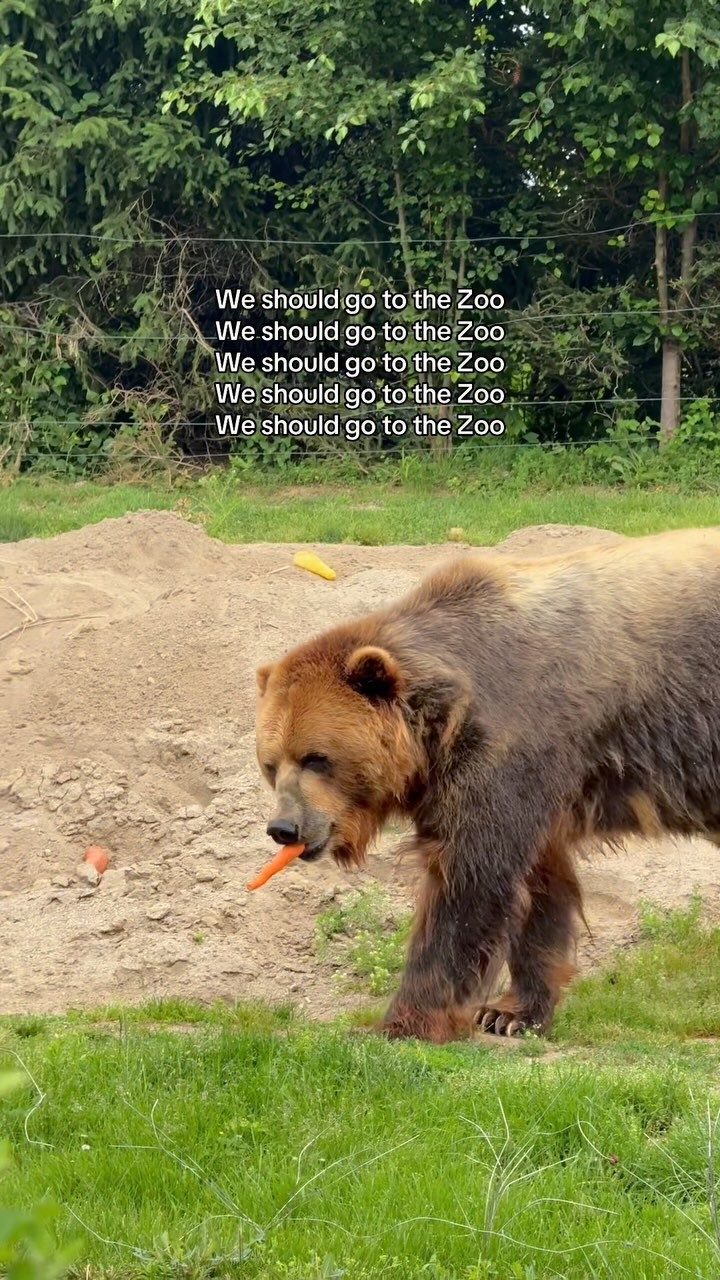
- Importance of animal behavior in wildlife parks
- Role of zoo management in conservation efforts
- Impact of visitor education on wildlife preservation
- Strategies for effective animal enrichment in captivity
- Future trends in zoology and animal welfare
Understanding the significance of animal behavior is crucial in wildlife parks. These facilities are often a blend of entertainment, education, and conservation. Observing animals in habitats that mimic their natural environment can offer insights into how they interact, forage, and communicate. For example, elephants display a range of social behaviors, from vocalizations to physical interactions, essential for their overall wellbeing. By analyzing such behaviors, veterinarians and animal care staff can assess the animals’ mental and physical health, ensuring that they live fulfilling lives even in captivity.
Zoo management’s role extends beyond simply overseeing daily operations. These professionals are at the forefront of conservation initiatives. Many species are threatened or endangered due to habitat destruction, poaching, and climate change. Zoos often collaborate with wildlife conservation organizations to breed endangered species and reintroduce them into their natural habitats. This strategy is vital, as it helps bolster population numbers while maintaining genetic diversity. Facilities often conduct research, taking a scientific approach to conservation that influences global efforts to protect wildlife.
Visitor education is another essential aspect of wildlife preservation. Zoos serve as a platform for raising awareness about the challenges many species face today. Informative signage, guided tours, and interactive programs engage visitors and create a connection between them and the animals. This connection fosters empathy, which can lead to more significant support for conservation efforts both locally and globally. Engaging programs on animal behaviors can inspire upcoming generations to advocate for wildlife protection, reinforcing the bridge between education and action.
Animal enrichment strategies also play a vital role in maintaining animal health and welfare. Rich environments are necessary for their psychological well-being. Instead of minimal stimulation, animals require activities that challenge their instincts and cognitive abilities. For instance, providing platforms, hiding food, or using puzzle feeders can engage animals in playful and stimulating ways. Such enrichment improves their quality of life and offers zoo visitors a more dynamic and engaging experience.
As we look to the future, trends in zoology are increasingly focused on animal welfare and innovative conservation techniques. Cutting-edge research on animal behavior and genetics is providing new insights into how we can improve care in captivity. Technological advancements, such as virtual reality and mobile apps, are enhancing visitor experiences, allowing for more profound educational engagement. Additionally, partnerships between zoos and international conservation programs increase the effectiveness of wildlife preservation efforts worldwide.
In summary, the interplay of animal behavior, zoo management, visitor education, animal enrichment, and evolving scientific approaches shapes the future of zoology and conservation. Engaging with these aspects is essential in cultivating a more informed and proactive society regarding wildlife conservation.
*****
Source Description
Consider your weekend planned ✔️🐻🐘🦓
