
- The role of native Florida turtles in ecosystems.
- The physiological adaptations of turtles as poikilotherms.
- The importance of basking behavior for thermoregulation.
- Conservation challenges facing turtle populations in Florida.
- Best practices for observing and protecting these turtles in the wild.
Native Florida turtles are integral components of the ecosystems in which they inhabit. These reptiles find homes in various water systems, from ponds to estuaries, and their presence influences not only their immediate surroundings but also various trophic levels within these ecosystems. The turtles assist in the maintenance of aquatic plants by grazing on them, which can help regulate algal blooms. They also play significant roles in the food web, serving as prey for numerous predators and helping to control insect populations.
Among the many species of turtles in Florida, the common ones include the Eastern Box Turtle, the Red-eared Slider, and the Florida Mud Turtle. Each species possesses unique traits and behaviors that adapt them well to their environments. For example, the Eastern Box Turtle has the capacity to withdraw completely into its shell, granting it protection from predators. The Red-eared Slider, often found basking on logs or rocks, is particularly fond of sun exposure, which aids in its thermoregulation.
Florida turtles are classified as poikilotherms, or cold-blooded animals. Unlike mammals, they cannot maintain constant body temperatures independent of their environment. Instead, they rely heavily on external conditions for warmth. This characteristic necessitates certain behaviors to help them survive. Basking—spending time in sunlight—is crucial for these reptiles. By absorbing heat from the sun, turtles can elevate their body temperatures to optimal levels for digestion, metabolism, and overall health. The act of basking not only allows them to regulate their body temperature but also helps them synthesize Vitamin D, an essential nutrient for bone health.
When basking, turtles often aggregate in groups. This social behavior can enhance their thermal efficiency. Several studies suggest that crowded turtles may experience increased warmth due to the heat retained by their neighbors. However, basking is not without its challenges. Predation risk heightens when turtles leave the safety of the water to pursue sunbathing. Birds of prey, raccoons, and other mammals can take advantage of this vulnerability. To mitigate such risks, it is not uncommon for turtles to choose rocky ledges or secluded areas that provide both sun exposure and escape routes.
Conservation challenges for Florida turtles are increasingly pressing. Habitat destruction, pollution, and climate change threaten their survival. Urbanization has led to a decline in suitable living environments. Turtles often fall victim to road fatalities as they attempt to cross busy highways in search of food or mates. Furthermore, many species suffer from the consequences of water pollution, which can severely impact their health and habitat quality.
Efforts to protect and conserve these turtles are imperative. Creating awareness and promoting responsible land-use practices can greatly benefit local turtle populations. Engaging communities in monitoring and reporting turtle sightings can aid researchers in tracking populations and health metrics.
Observing turtles in their native habitats can be rewarding, but it is essential to do so responsibly. Approaching them with respect is crucial. Disturbing their basking patterns or their nesting sites can lead to increased stress, potentially impacting their reproductive success. Photographers and enthusiasts are encouraged to maintain a safe distance to avoid causing disruptions.
There are additional measures individuals can take to help native Florida turtles thrive. When walking near ponds or wetlands, it is important to report any sightings of injured turtles to local wildlife authorities. Supporting conservation efforts through local organizations can also play a role in preserving these magnificent species.
Educating peers about the habits and habitats of Florida’s turtles can contribute to a culture of conservation. The importance of these reptiles often goes overlooked, yet they play vital roles in Florida’s ecosystems. By fostering an appreciation for their existence and ecological importance, we can all contribute to their sustainability.
The sunbathing behavior of native Florida turtles reflects deep-seated evolutionary adaptations. Through basking, these turtles regulate their body temperature, support biological processes, and maintain overall health. Recognizing these aspects highlights the essential role these creatures play in their environments.
Thermoregulation is pivotal for reptilian physiology. In their natural settings, turtles need precise control over their body temperature to thrive. The basking behavior is not just a leisurely pastime but a necessity for their survival. Temperature influences their metabolic rates, affecting everything from digestion to reproduction.
To understand how basking impacts turtle health, it is crucial to look at how vitamin synthesis occurs. The ultraviolet rays from the sun stimulate vitamin D production in their skin, an essential nutrient for calcium absorption. Inadequate sunlight can lead to deficiencies that may cause metabolic bone disease, a condition that can severely affect their quality of life. Just as insufficient exposure to light can impact human health, the same principle applies to turtles, underscoring the importance of their sunbathing habits.
Understanding the ecological footprint of native Florida turtles extends beyond basking. The turtles also influence aquatic ecosystems through nutrient cycling. Their grazing habits help stabilize water plants, which in turn maintain habitats for fish and other aquatic life. This indirect role in ecosystem maintenance points to the interconnectedness of species within their habitats.
Conservation organizations often engage in habitat restoration projects to facilitate these natural behaviors. By creating or preserving natural basking areas near water bodies, such as logs, rocks, or sandy banks, conservationists can promote healthier turtle populations. Such efforts often involve community collaboration to ensure sustainability.
Collaboration with local governments on land-use planning can also help protect turtle habitats from urban encroachment. Strategic zoning regulations can preserve wetlands and allow passages that facilitate safe crossing for turtles. These proactive measures can significantly reduce road fatalities, underscoring the need for increased consciousness among all stakeholders.
Moreover, as climate change intensifies, the habitats of native Florida turtles face considerable shifts. Rising water temperatures and altered rainfall patterns can affect their breeding and foraging behaviors. Awareness and adaptability in conservation strategies become crucial as these changes occur.
Engaging in dialogue about the importance of native Florida turtles allows for a more informed public. Educational programs can provide species-specific information to bring awareness to local communities, fostering a sense of stewardship. Schools and educational institutions can play vital roles in integrating wildlife conservation topics, ensuring future generations understand the challenges and responsibilities involved in protecting these species.
Promoting sustainable practices within local communities could shift perspectives on wildlife conservation. Programs focusing on habitat restoration and protection can inspire individuals to appreciate the significance of native Florida turtles in their ponds and wetlands. By establishing a culture of respect and responsibility towards local wildlife, communities can collectively contribute to the health of their natural environments.
Attention to the details of native Florida turtles enriches our comprehension of their value within ecosystems. Each species brings unique characteristics and behaviors that are indispensable for the overall health of aquatic environments. Understanding their physiology as poikilotherms highlights the critical aspect of basking as a necessity rather than a mere preference.
Creating sustainable and healthy environments for these turtles benefits the entire ecosystem. Recognizing the challenges they face in terms of habitat loss, pollution, and climate change emphasizes the need for continued conservation efforts. As stewards of the environment, individuals and communities alike can take action to safeguard these vital species, ensuring that future generations will have the opportunity to learn from and enjoy the native Florida turtles that grace their waterways.
*****
Source Description
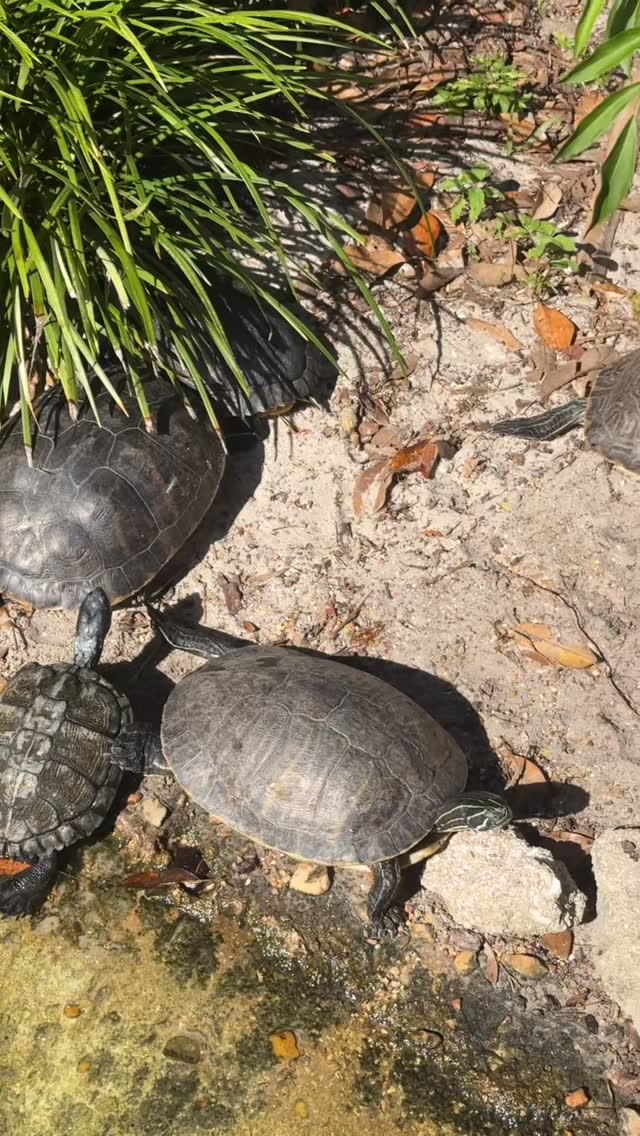
The native Florida turtles in our American waterfowl pond are expert sunbathers ☀️
These turtles are poikilotherms, or, as they are often called, cold-blooded animals. They are unable to regulate their body temperatures on their own, so they rely on the temperature of their environment. Basking, or sunbathing, allows these turtles to warm themselves up.
