
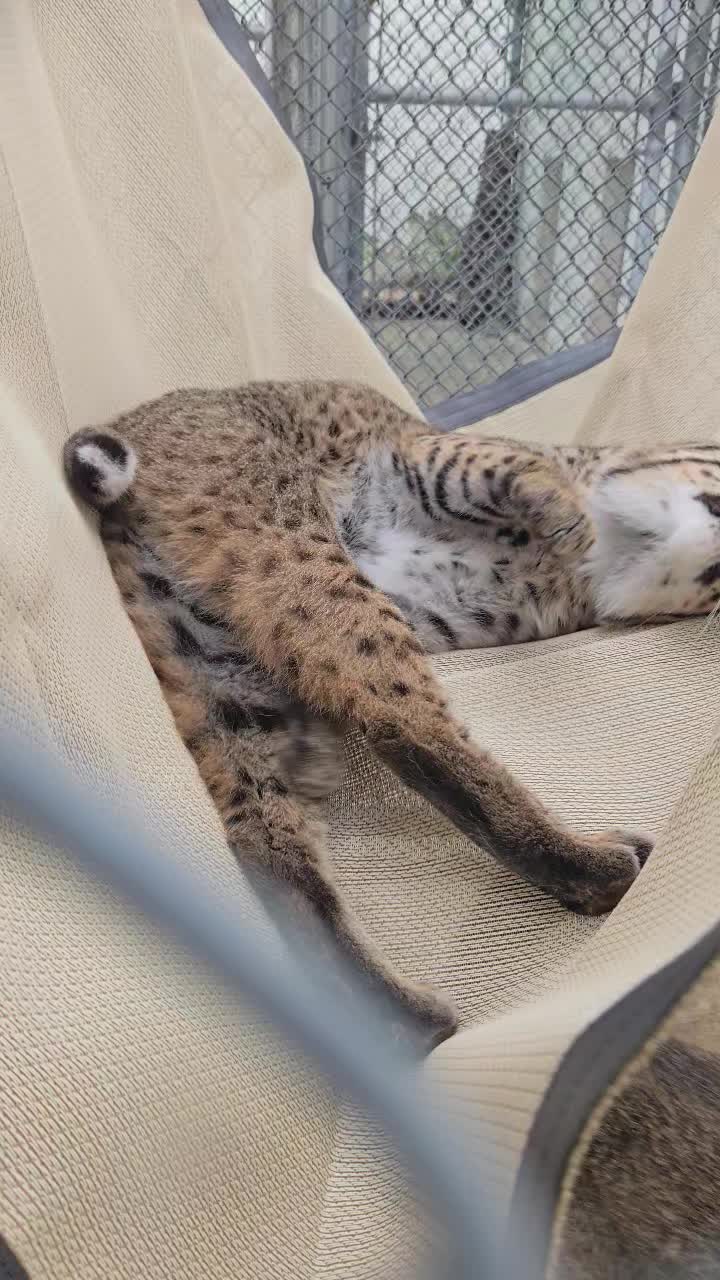
- The sleeping habits and behaviors of bobcats, particularly in captivity.
- The role of enrichment activities, like hammocks, in enhancing animal welfare.
- The significance of providing a stimulating environment for felines.
- Insights into the biology and behavior of the bobcat.
- Conservation efforts geared towards bobcat habitats and their impact on ecosystems.
The sleeping habits and behaviors of bobcats in captivity are vital to understanding their needs. Bobcats (Lynx rufus) are small wildcats native to North America. In the wild, they are versatile creatures, often seeking shelter in dense thickets, rocky outcrops, or even trees. Under natural conditions, they typically favor secluded areas for resting and sleeping. Captive environments, such as zoos or wildlife sanctuaries, must accommodate similar preferences to promote healthy behaviors and minimize stress.
In a controlled setting, providing elements that mimic their natural habitats can significantly affect their overall well-being. The introduction of hammocks in the night house for bobcats serves multiple purposes. First, they offer a comfortable resting space that mimics the secure, elevated locations bobcats prefer. Elevated resting platforms reduce the animals’ stress by giving them a sense of safety. This comfort is essential for captive animals that may experience vulnerabilities absent in the wild.
The role of enrichment is crucial in enhancing the quality of life for captive animals. The addition of hammocks is one aspect of a broader enrichment strategy that includes various physical and social stimuli. Enrichment activities can include puzzle feeders that challenge their hunting instincts, the introduction of scent trails, or even social interactions with other bobcats. Each element of enrichment plays a vital role in preventing boredom and stress, which can lead to stereotypic behaviors. Such behaviors, often seen in captive animals, diminish their quality of life. Hence, engaging with surroundings frequently becomes critical to their overall welfare.
Providing a stimulating environment is particularly important for felines like the bobcat. These cats are natural hunters and enjoy exploring their environments for food. The infusion of activities such as climbing structures or even appropriate vegetation elevates their ability to express instinctual behaviors. Enriched environments ought to incorporate spaces for climbing, hiding, and foraging. This will not only make their lives more enjoyable but will ensure they keep physically active, supporting their health and fitness.
Understanding the biological and behavioral aspects of bobcats provides insight into their needs and preferences. Adult bobcats typically weigh between 20 to 30 pounds and possess distinct physical features that aid in their hunting prowess. Their long legs and sharp retractable claws allow them to navigate various terrains effectively. In terms of behavior, bobcats are solitary animals that establish territories ranging from 1 to 30 square miles, depending on the availability of prey and resources. This solitary nature emphasizes the importance of environmental design in captivity since the lack of adequate space can lead to stress and aggression.
Finally, conservation efforts regarding bobcats must focus on their habitats and the preservation of ecosystems. Bobcats serve as important predators in their natural surroundings, helping maintain the balance of their environment by regulating the population of prey species, such as rabbits and rodents. Various non-profit organizations and government agencies are working to conserve the habitats of bobcats and ensure they remain a viable part of the ecosystem.
The decline of habitat due to urbanization and land development poses substantial threats to bobcat populations. Conservation strategies may include habitat restoration, public education on bobcat significance, and promoting wildlife corridors that allow safe passage across fragmented landscapes. These efforts can ensure that bobcats thrive in their natural environments while also allowing educational institutions like zoos to advocate for their conservation actively.
The joy observed when Rev, a resident bobcat, discovered the newly hung hammocks, epitomizes the objective of such enrichment activities. Observing animal behaviors like Rev’s fondness for a comfortable hammock underscores the necessity of catering to the physical and psychological well-being of captive bobcats. As zoos and wildlife facilities seek to maintain healthy populations of bobcats, innovative solutions like these hammocks become essential components of animal care.
In summary, enhancing the living conditions of bobcats in captivity involves addressing their natural behaviors and needs, which paves the way for improvements in animal welfare. The introduction of hammocks serves as an engaging and effective means to create a more enriching environment. Moreover, understanding their biological and behavioral traits is indispensable in fostering a conducive living space that allows for the expression of natural behaviors. Ultimately, concerted efforts in conservation and habitat preservation are necessary to protect bobcats and the ecosystems they inhabit. Incorporating elements that promote their welfare significantly improves their quality of life, ensuring that they continue to thrive both in captivity and in the wild.
*****
Source Description
Our bobcats had some brand new hammocks hung in the night house, and Rev is in love 🥰
