
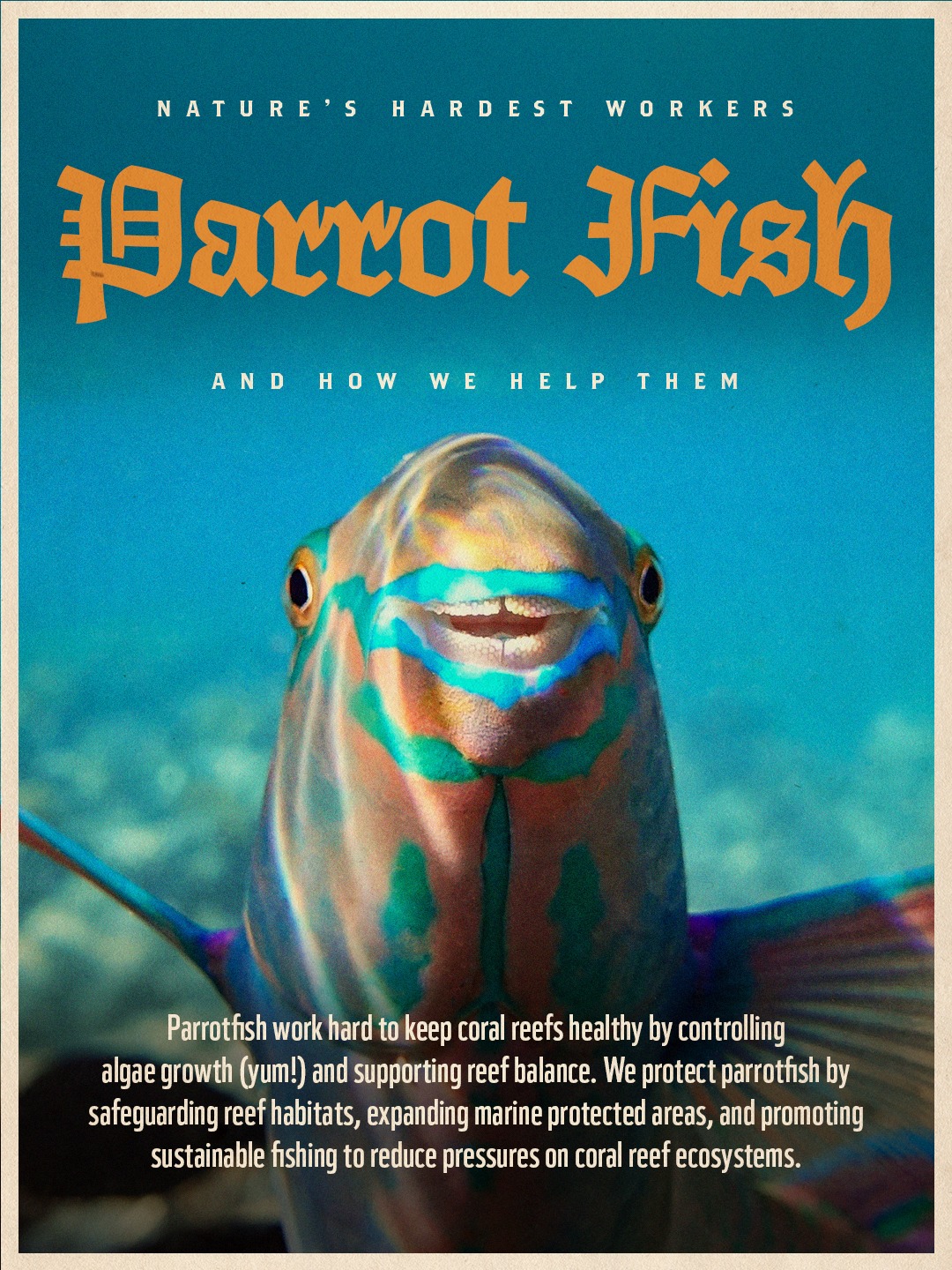
- Nature employs countless species as essential workers, contributing to ecological balance.
- Key contributors: pollinators, decomposers, and keystone species sustain ecosystems.
- The roles of human intervention in conservation to support these species are critical.
- Case studies highlighting successful species recovery and habitat preservation.
- The significance of individual responsibility in promoting wildlife conservation.
Nature’s intricate web comprises countless species, each playing vital roles in maintaining ecological balance. Every day, these creatures clock in for work to ensure that our planet thrives. From pollinators that facilitate plant reproduction to decomposers that recycle nutrients, every species has its designated tasks. Understanding these roles is crucial for appreciating our environment.
Pollinators, such as bees and butterflies, are crucial for the reproduction of many plants. Approximately 75% of the world’s flowering plants depend on animal pollinators. This means that without them, the intricate relationships between plants and animals unravel, leading to a decline in plant biodiversity. A decline in plant life affects food sources for countless other species, creating a cascading impact throughout the ecosystem.
Bees, particularly honeybees, are among the most well-documented pollinators. Their work significantly contributes to crop production, providing about a third of the food we consume. The ongoing decline in bee populations, often attributed to habitat loss, pesticides, and diseases, has raised alarms across global food security. Conservation efforts targeting habitat restoration and sustainable practices are essential for supporting these hardworking pollinators.
Another crucial group of workers in nature are decomposers. These organisms, including bacteria, fungi, and detritivores like earthworms, play a pivotal role in breaking down dead organic material. They recycle nutrients back into the soil, promoting healthy plant growth and sustaining entire ecosystems. Without decomposers, dead matter would accumulate, leading to an unhealthy environment.
Fungi, for instance, not only decompose but also form symbiotic relationships with plant roots, enhancing nutrient uptake. This relationship underscores the importance of maintaining healthy ecosystems. Protecting habitats from pollution, climate change, and invasive species is integral to ensuring that these vital decomposers continue their work.
Keystone species are often seen as the linchpins of their ecosystems. Their presence and activities have a disproportionately large impact on their environment, demonstrating how one species can shape an entire ecosystem. The sea otter, for instance, helps maintain kelp forest ecosystems by preying on sea urchins. When sea otter populations decline, sea urchin numbers can explode, leading to overgrazing of kelp. This chain reaction demonstrates the interconnectedness of species within an ecosystem.
Conservation efforts often focus on protecting keystone species as a strategy to maintain entire ecosystems. Organizations and governments are increasingly recognizing that successfully conserving a single keystone species can have widespread positive effects. Habitat protection, establishing marine reserves, and reducing human impact through responsible fishing are all vital methods in these efforts.
Human intervention is often required to support these crucial species. Habitat restoration projects, wildlife corridors, and policies aimed at reducing pollution can significantly impact biodiversity conservation. Educating the public about the importance of these species fosters a culture of stewardship and encourages responsible practices. Simple lifestyle changes, from reducing plastic use to supporting local conservation initiatives, can greatly enhance the effectiveness of these efforts.
Case studies from around the world highlight the successes of wildlife conservation initiatives. The recovery of the bald eagle in North America is a powerful example. Once on the brink of extinction due to pesticide use, habitat loss, and hunting, concerted conservation efforts, including the banning of harmful chemicals and habitat protection, have allowed populations to rebound. The bald eagle now serves as a symbol of successful conservation.
Similarly, the reintroduction of wolves to Yellowstone National Park has led to significant ecological changes. Following their removal, deer populations grew unchecked, leading to overbrowsing of vegetation. The return of wolves restored balance, demonstrating the cascading effects a single species can have on an ecosystem.
Individual responsibility also plays a vital role in promoting wildlife conservation. Simple actions, such as volunteering for local conservation projects or adopting sustainable practices at home, can contribute to larger efforts. Engaging with local wildlife organizations fosters a deeper understanding of the challenges faced by various species and encourages community-led initiatives.
Every person’s actions matter. Reducing waste, supporting businesses that prioritize sustainability, and participating in wildlife surveys or citizen science projects can enhance understanding and preservation efforts. Awareness campaigns can create broader public support for conservation policies that protect vital habitats.
Widespread engagement drives meaningful change. Advocating for conservation policies, attending community forums, or donating to environmental organizations amplifies the voices of those dedicated to wildlife preservation. The cumulative impact of these individual contributions cannot be understated.
Nature is a well-orchestrated system, where every species, from the smallest bee to the largest predator, has a role to play. Understanding and supporting the numerous essential workers who contribute to ecological balance is paramount for the health of our planet.
As we observe these species in their natural habitats, we gain appreciation for their contributions. Our responsibility extends beyond mere observation; it is essential to actively participate in conservation efforts. Supporting organizations that focus on safeguarding habitats and rehabilitating endangered species can make a real difference.
The future of biodiversity relies on collective action. Through education and advocacy, we can encourage others to recognize the significance of wildlife and the intricate workings of nature.
Realizing that nature is clocking in for work every day reminds us of our responsibility to protect these systems and contribute positively. By standing alongside these incredible creatures, we reinforce the commitments necessary for a thriving planet where ecosystems can flourish indefinitely. As we strive for sustainability, we must remember that the hardest workers in nature deserve our respect, our support, and our action. This ongoing relationship between humanity and the natural world is essential to preserving the delicate balance that sustains us all.
*****
Source Description
Nature is constantly clocking in for work, with every species playing a role in keeping our planet thriving 🐝 🐠 🪸
We’re proud to stand alongside these incredible creatures, supporting their habitats so they can keep doing what they do best.
This discover some of nature’s hardest workers, and let us know your favourite 💚
