
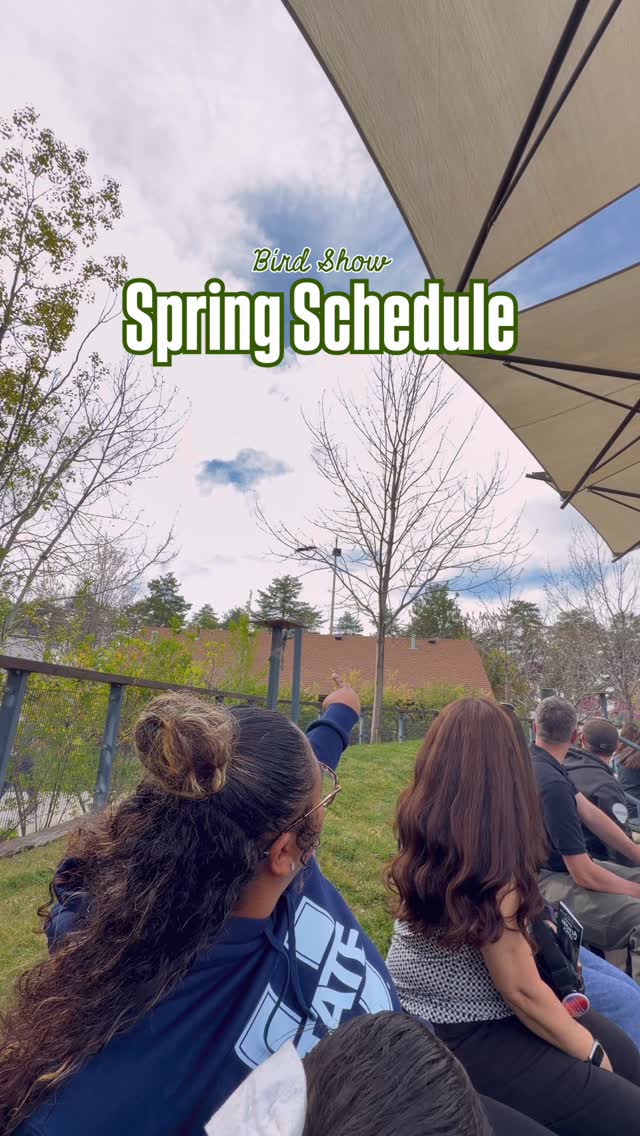
- Understanding the Spring Schedule of Bird Shows
- The Role of Aviary Shows in Education
- The Impact of Weather on Outdoor Events
- Conservation Efforts and Bird Demonstrations
- Importance of Bird Conservation in Zoos
Understanding the Spring Schedule of Bird Shows
At many zoological parks, the spring schedule often includes a variety of bird shows that cater to different audiences, enhancing the visitor experience. The outlined schedule indicates when visitors can enjoy different types of presentations, focusing on the ambassador bird demonstrations and outdoor bird shows. The schedule is strategically set, with sessions occurring throughout the week.
On Mondays, guests can participate in bird demonstrations at both 11:00 AM and 1:30 PM, which showcase select ambassador birds. These specific presentations allow visitors to learn about the characteristics and behaviors of various bird species. For the middle of the week, from Tuesday to Thursday, the schedule features an outdoor bird show at 11:00 AM followed by an indoor ambassador bird demonstration at 1:30 PM. The weekend lineup mirrors that of the weekdays but concludes with an indoor bird show. This variation in show types offers an engaging mix of information and entertainment, appealing to families and individuals interested in wildlife.
The Role of Aviary Shows in Education
Bird shows like those presented in the spring schedule serve as a vital educational component in zoos and wildlife parks. These programs not only entertain but educate the public about bird species, their natural habitats, and behaviors. By seeing birds in action, visitors can gain insights into avian life that cannot be realized from textbooks alone. These live demonstrations foster a connection between the audience and the animals.
The ambassador birds, often selected for their unique characteristics or behaviors, play a significant role in conveying conservation messages. They help highlight the importance of preserving natural habitats and the challenges these birds face in the wild, such as habitat loss, climate change, and pollution. Educators often use these interactions to build awareness about the need for conservation efforts.
Public engagement through these displays serves to spark curiosity and encourage further inquiry. By watching demonstrations, visitors may develop a deeper appreciation for birds and, by extension, the ecosystems they inhabit. This educational approach helps foster the next generation of conservationists, as attendees may be inspired to take action, whether through personal lifestyle changes or support for conservation initiatives.
The Impact of Weather on Outdoor Events
One significant consideration for any outdoor show is the potential impact of weather patterns. The schedule indicates that adjustments may be necessary due to weather conditions. This flexibility is crucial in ensuring both the safety of the animals and the enjoyment of the audience.
For instance, extreme heat can affect the well-being of birds, which rely on specific environmental conditions for comfort and health. Similarly, heavy rain or wind can pose risks during performances, making it essential to assess weather forecasts regularly. In many cases, zoos will plan alternative indoor activities for the audience to ensure that the educational experience continues, regardless of outdoor conditions.
Monitoring weather conditions provides valuable data for zoos and wildlife parks, enabling them to adapt their programs proactively. This adaptability enhances safety, maintains visitor engagement, and emphasizes the importance of awareness regarding animal welfare.
Conservation Efforts and Bird Demonstrations
Bird demonstrations conducted at zoos play an integral part in broader conservation efforts. Zoos are often at the forefront of wildlife preservation, engaging in breeding programs and reintroduction efforts for threatened species. The ambassador birds used in demonstrations frequently come from these conservation programs, highlighting the zoo’s commitment to protecting biodiversity.
By including educational components in their presentations, zoos can inform visitors about ongoing conservation work and the significance of supporting these initiatives. The spring schedule is an opportune time for highlighting specific conservation campaigns or highlighting endangered birds within the presentations.
Visitors often do not realize the extent of the efforts undertaken by zoos in collaboration with global conservation agencies. These partnerships can range from habitat restoration to community education programs. Demonstrations featuring endangered species can effectively underline the critical need for awareness and action among the public.
Importance of Bird Conservation in Zoos
Bird conservation is fundamentally intertwined with the mission of many zoological institutions. These organizations often aim to educate the public about avian species while simultaneously contributing to their survival. The spring schedule exemplifies how zoos can effectively use public programming to advocate for conservation.
Birds are vital indicators of environmental health. Their presence or absence can signify the vitality of ecosystems. Therefore, monitoring bird populations enables scientists to track the broader implications of environmental changes. Educating the public about this connection is essential for fostering stewardship towards the planet and its inhabitants.
Zoo programs also contribute to research that leads to improved bird conservation strategies. By studying the needs and behaviors of species in a controlled environment, scientists can gather data that informs conservation efforts in the wild. The interactive nature of bird shows helps to translate these scientific concepts into formats that are relatable and digestible for attendees.
As attendees engage with avian species during demonstrations, they often find themselves drawn to learn more. This newfound knowledge can translate into support for policies, educational tools, and community initiatives that promote bird conservation.
Therefore, the significance of bird shows extends far beyond the confines of their scheduled performances. They provide a platform for the public to engage with pressing conservation issues while celebrating the beauty and diversity of avian life. Through a deeper understanding of birds and their roles in ecosystems, attendees are better equipped to champion their preservation and health.
In a world increasingly affected by climate change and habitat destruction, the educational programming offered during events like the spring schedule represents a crucial step in fostering a more informed, active audience. Frequent engagement with wildlife can shift perspectives, encouraging more responsible behaviors regarding the environment.
Understanding the multifaceted role of these avian demonstrations allows for a richer appreciation not only of the events themselves but also of the processes that sustain such educational initiatives. Each performance serves as both a lesson in wildlife appreciation and a call to action in the conservation movement, making their relevance far-reaching and impactful.
Through programs continually evolving to address contemporary issues, zoos form dynamic connections with communities, educating them on how to interact with and support local wildlife. The impact of this spring schedule on public attitudes towards bird conservation can be profound, influencing generations to come. To navigate this intricate web of education and advocacy, both institutions and their audiences must remain committed to ongoing learning.
As the scheduled presentations unfold, they create fertile ground for discussing essential topics in conservation, ecology, and wildlife management. Thus, the concert of bird shows throughout spring unveils not just the avian choreographies but also an opportunity to reflect on humanity’s role within the web of life, promoting deeper connections and fostering meaningful actions in the realm of bird conservation and stewardship.
*****
Source Description
Take a look at our Spring Schedule below! 🌷 **Please note with our outdoor shows the schedule or location may be adjusted due to weather.
✨MONDAY
11am & 1:30pm: Ambassador Bird Demonstrations
✨TUESDAY-THURSDAY
11am: Outdoor Bird Show
1:30pm: Ambassador Bird Demonstration
✨FRIDAY-SUNDAY
11am: Outdoor Bird Show
1:30pm: Indoor Bird Show
