
- The impact of winter breaks on individual schedules and routines
- Activities and strategies to make the second week of winter break fulfilling
- The relationship between wildlife conservation and personal reflection during breaks
- The role of zoos and wildlife centers in community engagement through volunteer opportunities
- Long-term benefits of winter breaks for mental health and environmental awareness
As winter break stretches into its second week, many find themselves disoriented regarding time, days, and activity options. This phenomenon is more common than one might think. The initial excitement of a holiday, with its reduced responsibilities and time off from routines, often gives way to a sense of aimlessness as the days roll past. Understanding the effects of this break can help recognize the opportunities it presents and the importance of maintaining a balance between leisure and engagement.
One primary effect of an extended winter break is the disintegration of structured daily routines. Typical schedules, particularly those dictated by work or school, are replaced by a more fluid concept of time. This shift can initially feel liberating but may soon lead to confusion about the day and time. Without the usual markers of routine, many may feel disoriented or unproductive. Recognizing this transition is vital to navigating the second week of winter break.
Engaging with fulfilling activities during this time can mitigate feelings of boredom and contribute positively to mental well-being. Opportunities abound: explore local museums, take nature walks, or spend time in community gardens. Volunteering at local zoos or wildlife centers can also provide meaningful engagement. These activities not only enrich your understanding of zoology and conservation but also foster a sense of purpose. This sense of purpose can counteract feelings of aimlessness and stimulate personal growth.
Involvement in wildlife conservation offers another layer of fulfillment. Winter breaks are an excellent time to reflect on personal values and how they align with broader societal goals. Many wildlife organizations run programs that invite community participation. Individuals can contribute to conservation efforts by planting trees, cleaning up local habitats, or participating in educational workshops. Such activities provide insight into the critical challenges facing wildlife today, including habitat loss, climate change, and poaching. Educating oneself about these issues can build a deeper connection between personal actions and their impact on the environment.
Zoos and wildlife centers play a crucial role in bridging community involvement and wildlife conservation. Many facilities have volunteer programs aimed at educating the public about local fauna and promoting conservation initiatives. Engaging with these programs during winter break not only fills your days with meaningful work but also expands your understanding of animal behavior, care, and conservation. Study opportunities abound, such as learning about different species, their habitats, and the complexities of maintaining genetic diversity in captive populations.
For example, through hands-on experiences at a zoo, volunteers can learn about the care processes that zoos adopt, which sometimes include breeding programs aimed at reintroducing endangered species into the wild. Such insights can be a gateway to understanding the delicate balance zoos maintain: safeguarding species while educating the public. This interplay between wildlife management and public awareness emphasizes the role that well-managed zoos play in conservation.
Furthermore, understanding the psychological benefits of volunteering during the winter break can lead to healthier mental states. Engaging in community service has been linked to improvements in mood, enhanced self-esteem, and greater life satisfaction. By participating in wildlife conservation efforts, individuals can combat feelings of isolation and disconnection that may arise during a lengthy vacation.
Mental health, particularly during winter, is another significant aspect worth exploring. The shorter days and colder weather often enhance feelings of lethargy. Individuals may feel less inclined to go outdoors, contributing to decreased physical activity and engagement levels. Using winter break as a time to seek out activities that promote movement and connection with nature can be particularly beneficial. By spending time outdoors in natural settings, individuals can combat winter blues and reconnect with their surroundings.
Moreover, practices such as mindfulness can also enhance your winter break experience. Mindfulness encourages individuals to focus on the present moment, recognizing thoughts and feelings without judgment. Engaging in outdoor activities while practicing mindfulness—such as observing animal behaviors in their natural habitat—can foster deeper connections to both personal wellbeing and wildlife conservation.
Educational workshops held at zoos during winter breaks often provide another avenue for community enrichment. These sessions may cover topics like animal behavior, habitat restoration, and conservation techniques. Participating in such events enables individuals to walk away with knowledge that empowers them to advocate for wildlife conservation. Being well-versed in conservation topics encourages more informed discussions with others, fostering a community ethos centered around environmental stewardship.
As the second week of winter break progresses, a renewed focus on fulfilling activities can transform feelings of dislocation into opportunities for growth and learning. Exploring local wildlife preserves and volunteering at zoos become invaluable during this winter season, as they offer moments of connection with both nature and other people.
Planning social activities centered around these experiences can further enhance engagement. Consider inviting friends or family members to join in activities such as nature hikes, birdwatching, or educational programs at local zoos. Sharing experiences not only strengthens bonds but also reinforces collective commitment to conservation and environmental awareness.
Offering a chance to learn about local wildlife can ignite passion and advocacy among participants. Kids—even during the winter season—welcome interactive learning opportunities that engage them with animals they may not typically encounter. Children can participate in dedicated events tailored to their age group, providing hours of engagement while teaching them about species native to their region and the importance of preserving their habitats.
During this period, social media also offers platforms for sharing experiences related to wildlife and conservation. Sharing photographs and stories from your wildlife conservation adventures can inspire others to get involved. Documenting your experiences not only serves as a personal record but also raises awareness about the vital role each individual can play in conservation efforts.
The prolonged winter break presents a variety of opportunities for personal development and community engagement, particularly in the fields of wildlife and environmental conservation. There is much to gain from this time, whether one immerses themselves in zoological education or community projects. Each experience lays the groundwork for understanding the interconnectedness of wildlife, ecosystems, and human activity.
Even as the days blur together and the distinction of weeks fades, there is ample potential for growth during this winter break. Getting involved in community conservation efforts, expanding knowledge of zoology, and reflecting on personal values can breathe life into what may feel like monotonous days. Ultimately, the second week of winter break can serve as a transformative period if one chooses to embrace opportunities for engagement, reflection, and education.
*****
Source Description
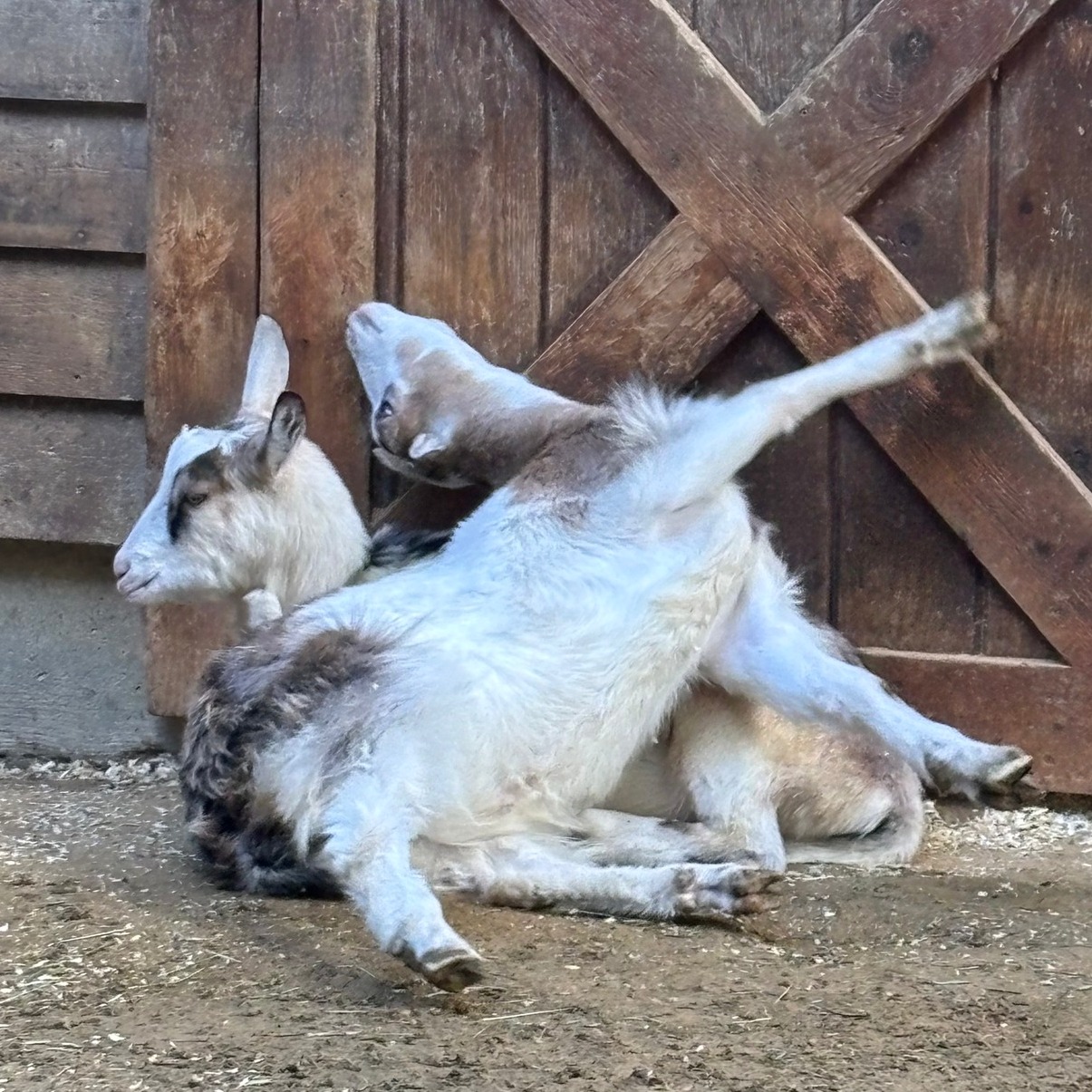
When you’re in the second week of winter break and no longer know what time it is, what day it is, or what to do with yourself:
