
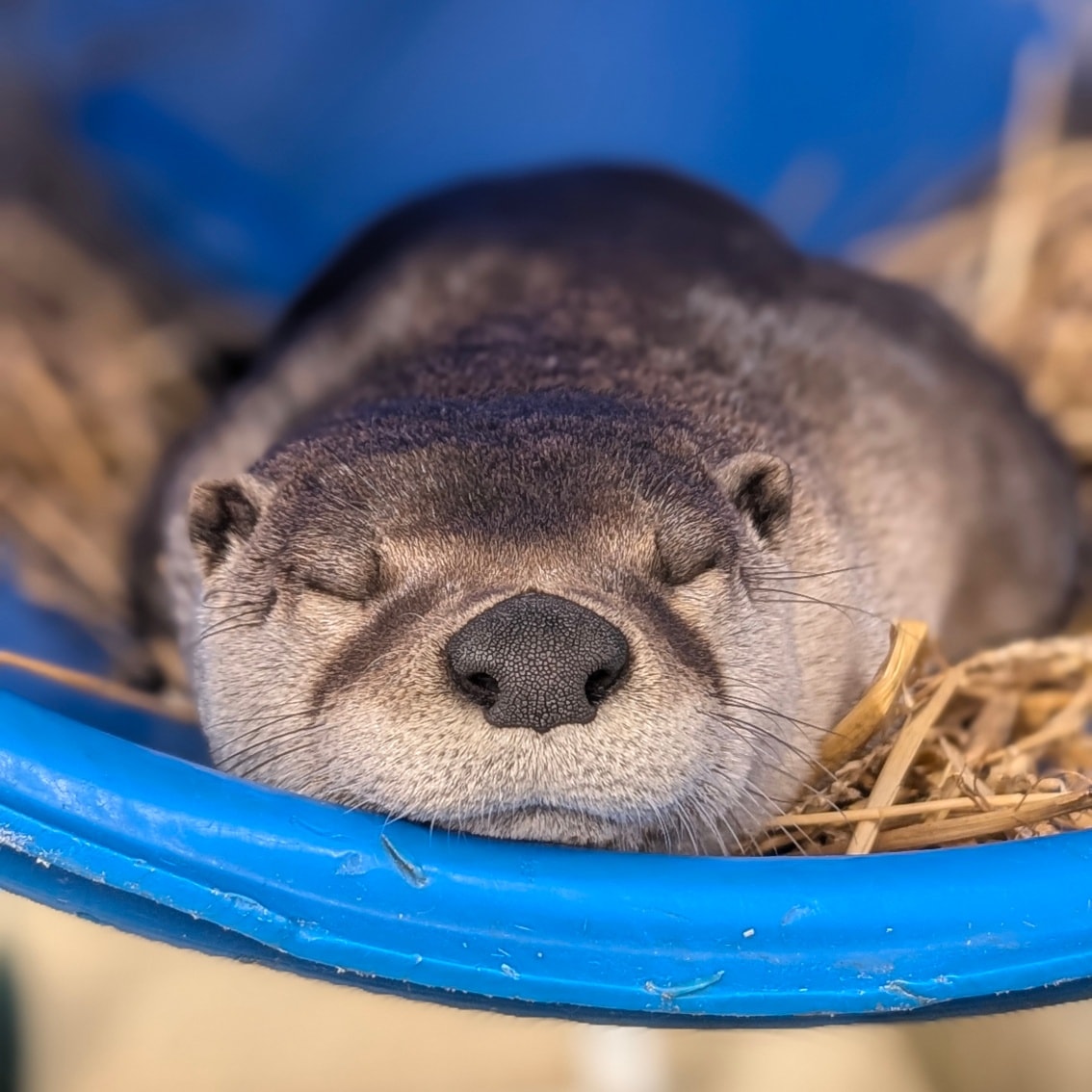
- The significance of cold weather during the in-between holiday days for wildlife
- The physiological and behavioral responses of animals to colder temperatures
- Zoo management strategies for animal welfare during winter months
- Conservation efforts aimed at protecting wildlife in harsh winter conditions
- The role of public engagement in wildlife conservation initiatives
As temperatures drop and daylight hours shorten during the cold days nestled in between major holidays, there are significant changes in wildlife behavior and physiology. This time of year serves as a poignant reminder of how animals adapt to cold weather and how human activities can impact them. Understanding the nuances of these adaptations enhances our appreciation of nature and stresses the importance of wildlife conservation.
Wildlife adapted to cold climates exhibit remarkable physiological changes. Many species undergo changes in metabolism and fur density. For instance, polar bears develop a thick layer of fat beneath their skin, providing insulation against freezing temperatures. Their fur, which appears white, actually consists of transparent and hollow hairs that reflect light, helping them camouflage in snowy environments. Similarly, arctic foxes change coat color from brown in the warm months to white in the winter, which not only provides insulation but also aids in hunting and avoiding predators.
Cold-blooded animals, like reptiles and amphibians, experience a significant drop in metabolic rates as temperatures decline. They may enter a state called brumation, akin to hibernation, which allows them to survive without food until spring arrives. Understanding these adaptations is crucial for wildlife biologists as it informs strategies for their preservation as climate patterns change.
Zoo management plays a vital role in ensuring animal welfare during the colder months. Zoos often take proactive steps to simulate natural habitats for their animals, adjusting enclosures that allow for thermal regulation. For example, species such as meerkats, which thrive in warmer climates, are provided heated shelters to help them cope with lower temperatures. These measures do not only focus on physical shelter; behavioral enrichment is also essential. Zookeepers may introduce innovative activities that promote natural behaviors, such as foraging or burrowing, which can be more challenging during winter months.
Moreover, nutrition adjustments are necessary. Animals may need increased caloric intake to support their metabolic needs as they deal with colder weather. Diets are often tweaked, providing more high-quality fats and proteins to make up for energy expenditure. Modern zoo practices emphasize the importance of staying attuned to animal behavior, allowing keepers to make real-time adjustments to care routines.
Beyond the confines of zoos, conservation efforts are critical for protecting wildlife ecosystems affected by harsh winter conditions. Organizations work to create wildlife corridors, allowing animals to migrate freely between habitats as food availability changes with the seasons. These corridors help mitigate the effects of habitat fragmentation caused by urban development, ensuring that animals can find suitable environments for their survival.
The plight of many animal species, especially those sensitive to climate fluctuations, brings conservation initiatives to the forefront. For instance, efforts to protect the winter habitats of migratory birds become increasingly necessary as climate change alters their migration patterns. Programs aimed at restoring wetlands and other critical habitats help sustain avian populations during their seasonal migrations.
Public engagement is also essential in advancing wildlife conservation. Education campaigns designed to raise awareness about the challenges animals face during cold months empower individuals to take action. Citizens can participate in citizen science monitoring projects, such as bird counts, which provide invaluable data to researchers and further promote community involvement in ecosystem protection.
Innovative public outreach initiatives serve to bridge gaps between communities and conservation organizations. Creating opportunities for people to interact with wildlife fosters a heightened sense of responsibility toward animals and their habitats. This connection can lead to tangible benefits, such as increased funding for conservation projects and awareness of ecological issues.
Funding research and conservation activities is crucial, especially during winter months, when animal needs intensify. Acknowledging the importance of cold in-between holiday days for wildlife can mobilize community efforts to support various initiatives that protect and monitor animal populations.
Many people might feel sluggish during these colder days, but it’s critical to recognize the resilience of wildlife behavior under similar circumstances. Cold weather can hinder movement, leading to a more lethargic state of existence not only in human beings but in many animals as well. This lethargy is often a survival strategy, conserving energy for essential activities like foraging or breeding.
Also, understanding how animals cope with the cold prompts discussions about habitat preservation. Animal species have evolved in tandem with their environments, developing specialized adaptations to deal with seasonal variations. The loss of these habitats due to human activities is alarming and demands immediate attention. Effective conservation strategies hinge upon preserving these ecosystems as bastions of diversity.
As public awareness grows, so too does the importance of responsible wildlife tourism. Increased recreational activity during the holiday season can threaten animal habitats, particularly when individuals venture into sensitive areas or interfere with migratory paths. Therefore, educating the public on responsible wildlife viewing practices can help mitigate human impacts.
Zoos play a significant part in shaping understanding and advocating for wildlife conservation. Many facilities focus on breeding endangered species as part of their program. Such is the case with the California condor, a bird that nearly faced extinction. Through careful breeding and rehabilitation practices, zoos have successfully reintroduced these magnificent birds back into their natural habitats, showcasing the vital role of zoos in conservation efforts.
During the cold days surrounding holidays, discussions about animal welfare and conservation are especially relevant. As individuals gather for festivities, they can also reflect on their responsibilities toward wildlife and habitats. With just a small commitment from people, conservation initiatives can achieve remarkable outcomes, benefitting both humans and the ecosystems they inhabit.
Across the globe, winter becomes a pivotal time for wildlife behavior and adaptation. These cold in-between holiday days remind us of the resilience found in nature and the urgent need for conservation. Although many animals may seem inactive under winter’s chill, they are thriving organisms that are integral to ecological balance.
By understanding how seasonal changes affect both wildlife and their habitats, we foster a more informed view of conservation. Embracing this knowledge allows us to take action, ensuring that future generations will likewise enjoy the splendor of wildlife in its natural habitats.
*****
Source Description
🦦 These cold in between holiday days got us feeling like…😴
