
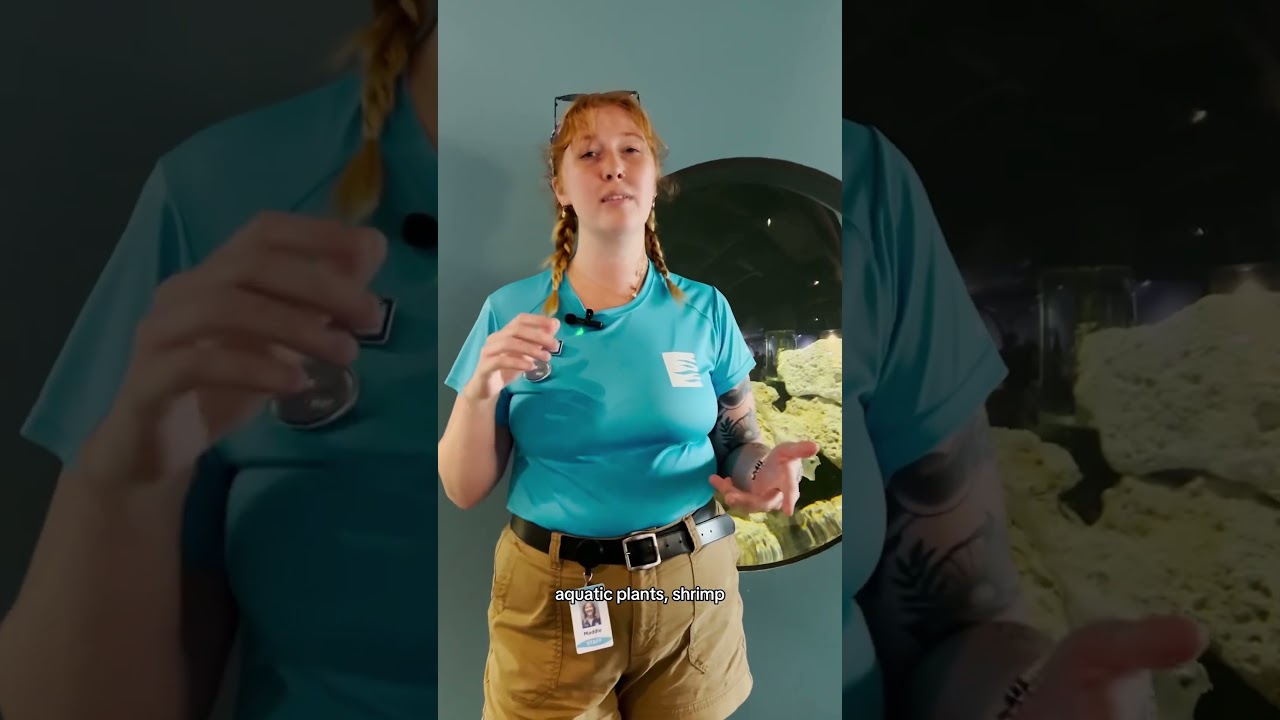
- Introduction to the New Cowfish Arrival: Understanding the Species and Their Characteristics
- Zoo Management: Acclimatizing Cowfish to a New Environment
- Conservation Efforts: Challenges and Opportunities in Protecting Cowfish
- Educational Opportunities: Engaging the Public with Cowfish Exhibits
- The Impact of Cowfish in Popular Culture and Awareness Initiatives
The announcement of several new cowfish moving into the aquarium has sparked interest in both zoology enthusiasts and casual visitors alike. Cowfish, known for their distinctive appearance and quirky swimming style, are a fascinating addition to any aquatic exhibit. This article delves into the details of these intriguing creatures, discussing their biology, habitat, and the broader challenges involved in their care and conservation. Furthermore, we’ll explore the educational opportunities they present and their influence in media and conservation awareness.
What exactly is a cowfish? Cowfish belong to the family Ostraciidae and are typically found in warm waters, often around coral reefs. They are recognized for their boxy shape and two horn-like protrusions on their heads. These protrusions give them a cow-like appearance, hence the name. Their bodies are covered with hexagonal, plate-like scales, forming a hard shell. This structure not only offers protection from predators but also affects their buoyancy and movement.
In terms of biology, cowfish have a unique way of swimming, utilizing a type of motion known as ostraciiform swimming. This involves the movement of their dorsal and anal fins, allowing them to move with surprising agility despite their rigid bodies. Additionally, they have the ability to release toxins called ostracitoxins when threatened, which can be deadly to other fish. This defensive mechanism underscores the complexity of their interactions in a shared habitat.
Moving these cowfish into a new environment presents unique challenges for zoo management. Acclimatizing them involves ensuring that tank conditions mimic their natural habitat as closely as possible. This includes maintaining appropriate water temperatures, salinity, and pH levels. The introduction process must be gradual to reduce stress and the risk of health issues.
Diet is another critical aspect of cowfish care. In the wild, cowfish are omnivorous, feeding on algae, sponges, and small invertebrates. Replicating this diet in captivity often requires a mix of fresh and formulated foods to meet their nutritional needs. Careful observation is needed to monitor their feeding behaviors and make adjustments as necessary.
The integration of cowfish into an aquarium is also beneficial from an educational perspective. These charismatic creatures captivate audiences with their appearance and behavior. Exhibits often include informative displays about their ecology and adaptations. Educators have the opportunity to raise awareness about the importance of marine conservation and how visitors can contribute to these efforts.
Additionally, cowfish serve as ambassadors for discussing broader marine conservation challenges. The health of coral reefs, vital to their survival, is under threat from activities such as overfishing, pollution, and climate change. These discussions can lead to broader conservation initiatives and support for marine protected areas.
Cowfish also play a significant role in popular culture, often appearing in animated films and media, which helps to raise awareness and interest in marine life. This visibility can be leveraged in zoo and aquarium settings to engage the public and inspire future generations to care about ocean health and biodiversity.
Conservation efforts for cowfish focus on habitat protection and public education. As coral reefs face unprecedented threats, conservationists work on strategies to protect these ecosystems. The introduction of eco-friendly fishing practices, pollution reduction initiatives, and climate action are all part of ongoing efforts to safeguard these habitats. Conserving cowfish populations requires a multi-faceted approach, considering both the direct needs of the species and the health of their ecosystems.
In summary, the introduction of new cowfish in the aquarium provides a lens through which we can explore various aspects of marine life, ecology, and conservation. These creatures exemplify the intricate balance of marine ecosystems, highlighting the need for thoughtful zoo management and robust conservation efforts. As cowfish capture the imagination of many, they present both opportunities and responsibilities to educate and inspire action towards a more sustainable interaction with our planet’s aquatic environments.
*****
Source Description
