
- Shugi’s temporary absence and the reasons behind it
- Features and advantages of the new indoor holding building
- The importance of habitat management in zoo settings
- Future plans for housing Tufted Deer and broader conservation efforts
- The role of public engagement and education in wildlife conservation
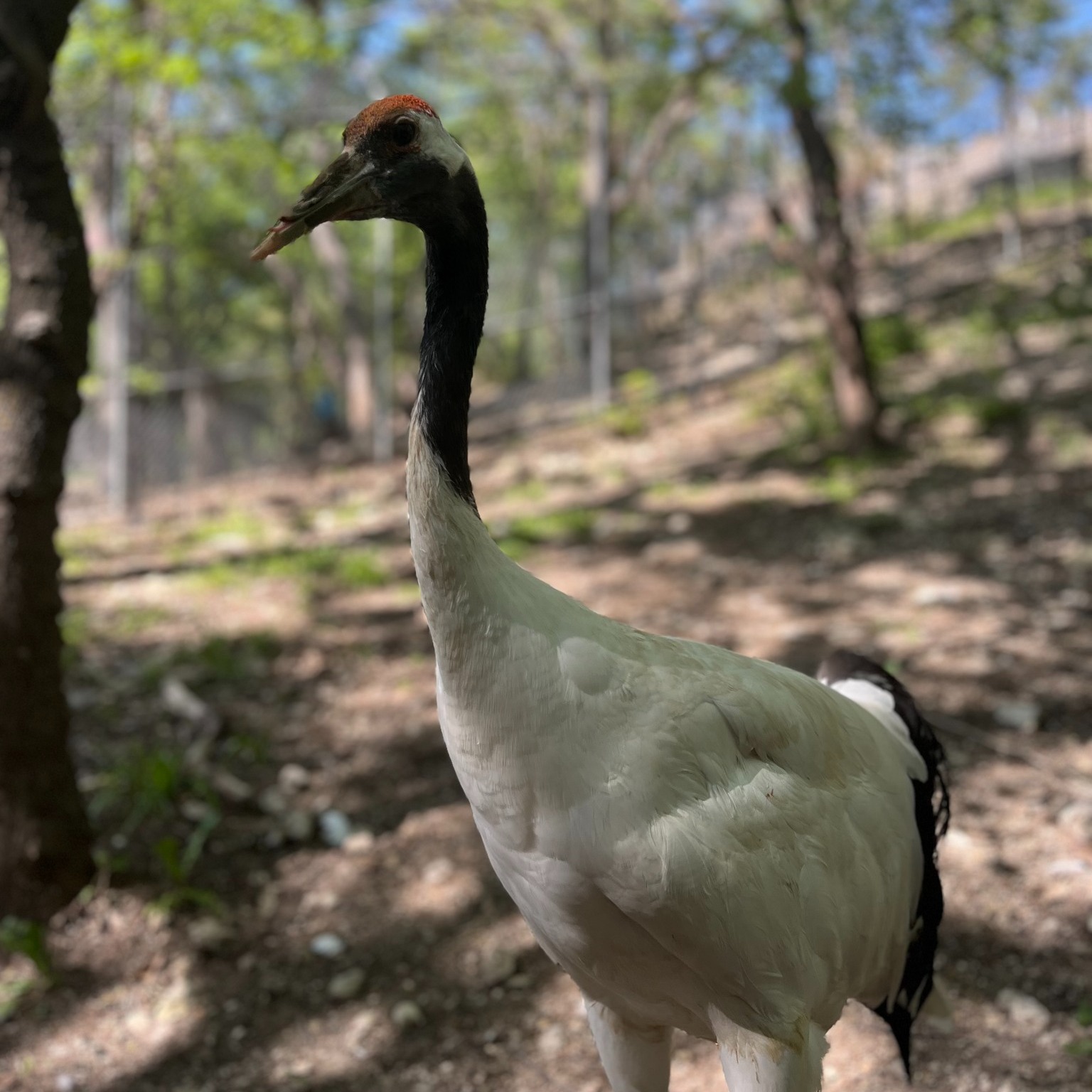
Shugi, our beloved Red-crowned Crane, has recently become less visible to the public. Patrons of the zoo have noted her absence, and it’s important to clarify that this is not a cause for concern. Shugi is currently in a behind-the-scenes area, waiting for the completion of her new indoor holding building. This new space is a vital part of our commitment to animal welfare and habitat improvement, not just for Shugi but also for future residents, including Tufted Deer. Understanding these changes can deepen public appreciation for zoo operations and wildlife care.
The new indoor holding building being constructed for Shugi comes with several key features that enhance her living conditions. It is built with advanced materials designed to provide optimal comfort. For instance, the building includes climate control, proper ventilation, and natural lighting to simulate outdoor conditions. This type of environment is crucial for species like the Red-crowned Crane, which thrive in well-regulated habitats. The design also incorporates various enrichment features, such as perches and water areas, allowing Shugi to exhibit natural behaviors. It is critical for zoos to provide spaces that mimic wild habitats to encourage the well-being and health of their animals.
Habitat management plays a significant role in the overall strategy of zoological facilities. A well-designed environment operates on multiple levels to support the physical and psychological needs of the animals. In Shugi’s case, her new home will be spacious enough to allow movement and social interactions, which are essential for her mental health. This principle applies broadly to all species housed in zoos, where proper habitat structures help reduce stress and foster natural behaviors. Animal welfare is at the core of modern zoo management, making these construction projects an integral part of preserving wildlife.
While Shugi is set to benefit from this new space, the design also anticipates the future introduction of Tufted Deer. These animals have specific habitat requirements that overlap with those of the Red-crowned Crane. Creating a building that accommodates multiple species showcases the zoo’s commitment to biodiversity. By implementing features that benefit both animals, the zoo can promote a more comprehensive conservation strategy. Housing different species close together can also amplify educational opportunities for visitors, promoting awareness about diverse ecosystems.
Public engagement forms another critical component of the zoo’s mission. Educating visitors about animals like Shugi fosters a deeper understanding of conservation efforts and instills a sense of responsibility in the audience. When patrons come to see Shugi in her new environment, they will be greeted not only by her presence but also by educational displays that explain the significance of wildlife conservation. These initiatives draw attention to the challenges faced by species in the wild and encourage people to support conservation efforts beyond their visit.
The outreach extends to various educational programs and initiatives that aim to connect the public with wildlife. This helps nurture an appreciation for animals and encourages the community to participate in conservation activities. Through workshops, school programs, and guided tours, the zoo can effectively highlight the ongoing efforts in wildlife care and encourage actions that make a positive impact on the environment.
As the zoo prepares for Shugi’s return to public view, continuous updates will be provided to our visitors. This level of transparency is essential in keeping the community informed and engaged. Many in the audience follow Shugi closely, and their curiosity signifies a growing interest in wildlife and habitat conservation. The excitement surrounding her return serves as a bridge to meaningful discussions about wildlife and responsible stewardship of our planet.
In summary, the temporary absence of Shugi, our Red-crowned Crane, allows for significant improvements to her living conditions. With the new indoor holding building set to enhance her well-being, the zoo remains focused on implementing innovative designs to support various species, including potential future residents like the Tufted Deer. Understanding these behind-the-scenes efforts contributes to a broader appreciation of wildlife conservation.
The construction of Shugi’s new habitat represents much more than just an upgrade; it demonstrates a commitment to animal welfare and habitat management reflected in every aspect of zoo operations. As we eagerly await Shugi’s return, it is essential to recognize the value of effective communication and continued public engagement in promoting wildlife conservation. By sharing these insights, we hope to foster an informed community that advocates for the welfare of both captive and wild animals.
*****
Source Description
Have you noticed that our Red-crowned Crane, Shugi, has been out of sight? You’re not imagining things—she’s currently behind the scenes!
Shugi is patiently waiting for her brand-new indoor holding building to be completed. This exciting new space will not only be home to Shugi, but will also hopefully welcome back Tufted Deer in the future!
As the project wraps up, we’ll be sure to keep you updated on when Shugi will be back on view. We appreciate your curiosity and wanted to keep you in the loop on her whereabouts!
📸: Keeper Jess
