
- The biological and ecological significance of sunflower sea stars.
- Threats to sunflower sea stars and their current conservation status.
- Overview of the SAFE Sunflower Star Program and its objectives.
- The importance of zoos and aquariums in wildlife conservation.
- Educational opportunities through public engagement with the sunflower sea stars.
Sunflower sea stars (Pycnopodia helianthoides) are remarkable echinoderms distinguished by their vibrant color and intricate structure. Typically found in the Pacific Ocean along the coasts of North America, these sea stars can reach sizes of 3 feet or more, making them some of the largest starfish in existence. Their numerous arms—ranging from 16 to 24—allow them to gracefully move across the seafloor in search of prey. As opportunistic feeders, they primarily consume sea urchins, bivalves, and other small invertebrates. This feeding behavior plays a critical role in maintaining marine ecosystems, controlling sea urchin populations, which in turn helps preserve kelp forests and other vital habitats.
Consequently, the health of sunflower sea star populations directly impacts the overall biodiversity and ecological integrity of their habitats. The removal of this apex predator can lead to a significant imbalance, causing increases in sea urchin populations that devastate kelp forests. Such shifts highlight why understanding and conserving sunflower sea stars is essential not only for their survival but also for the ecosystems they inhabit.
Unfortunately, sunflower sea stars are facing numerous threats that have placed them on the critically endangered list. A significant contributing factor to their decline is the outbreak of sea star wasting syndrome, a disease that leads to rapid deterioration of sea stars’ tissues, resulting in mass mortality events. These occurrences have been observed along the West Coast of North America and have decimated populations dramatically in recent years. Ocean warming due to climate change also exacerbates these issues, as rising temperatures and changing ocean acidification can further stress this already vulnerable species.
Other threats to sunflower sea stars include habitat loss from coastal development, pollution, and overfishing, which disrupts their food sources. Combined, these factors pose a serious risk not only to sunflower sea stars but also to the overall health of marine ecosystems. With fewer individuals in the population, genetic diversity suffers, reducing the species’ resilience to environmental changes and diseases.
As part of our commitment to conservation, our Aquatic Nursery is proud to participate in the SAFE (Saving Animals From Extinction) Sunflower Star Program. This initiative focuses on creating a framework for the conservation of both the species and its habitat. This program facilitates collaborative efforts among various zoos, aquariums, and conservation organizations to develop research, promote public awareness, and implement breeding programs aimed at restoring sunflower sea star populations.
The SAFE program operates across multiple fronts. It conducts vital research into the causes of sea star wasting syndrome, exploring potential treatments and mitigation strategies. In addition, the program actively engages in habitat restoration efforts to ensure the health of the marine environments that sunflower sea stars call home. These comprehensive strategies work synergistically to promote the recovery of sunflower star populations and the ecosystems they support.
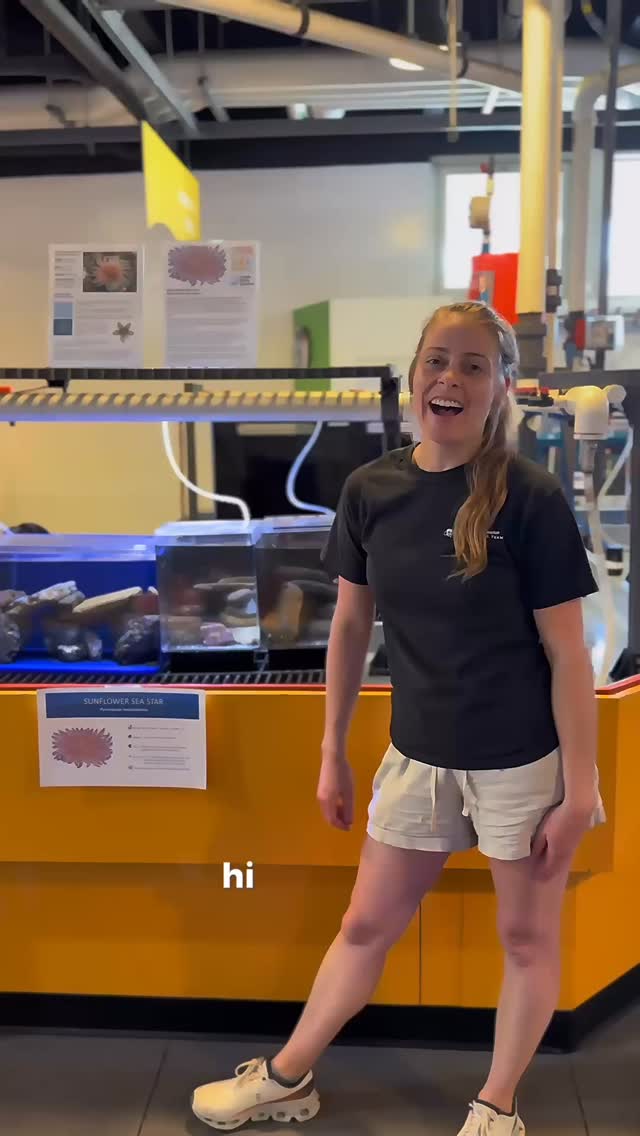
Moreover, the SAFE Sunflower Star Program also emphasizes the importance of public engagement. Educating people on the urgency of conservation efforts surrounding sunflower sea stars is crucial. The presence of juvenile sunflower sea stars in our exhibit is a tangible way to inspire curiosity and foster a greater understanding of marine life among visitors. We aim to use this opportunity to inform the public about the factors contributing to the decline of these creatures and encourage proactive participation in conservation efforts.
Zoos and aquariums play a vital role in wildlife conservation, often serving as ambassadors for endangered species. Through exhibits like our Aquatic Nursery, visitors gain exposure to marine life that may otherwise be overlooked. Educational programs inform guests and nurture an appreciation for biodiversity, ultimately motivating action for conservation initiatives. By showcasing the plight of sunflower sea stars, we raise awareness of the interconnectedness of marine ecosystems and humanity’s impact on them.
To further engage the public, our Aquatic Nursery hosts interactive workshops and educational talks, providing participants with the chance to learn about sunflower sea stars’ biology, ecology, and conservation needs. By spotlighting these fascinating organisms, we encourage visitors to become passionate advocates for marine conservation. Increasing public interest in wildlife can translate to more substantial support for research initiatives and protective legislation.
In addition to hands-on experiences, various multimedia displays provide insights into the life cycle, behavior, and habitat of sunflower sea stars, enriching the educational experience for visitors of all ages. Through storytelling, visuals, and facts, we aim to captivate a diverse audience while delivering meaningful information on the significance of conserving this iconic species.
As part of our commitment to conservation education, we also collaborate with local schools and communities. This connection fosters a broader dialogue about the environmental challenges we face and encourages critical thinking about conservation solutions. Community events feature guest speakers, expert panels, and workshops aimed at promoting environmentally responsible practices that can help mitigate some of the threats posed to sunflower sea stars and their ecosystems.
Ultimately, the decision to include juvenile sunflower sea stars in our exhibit is more than just an attraction; it represents a concerted effort to foster awareness and advocacy around conservation challenges. These actions not only help us work directly toward mitigating the plights of critically endangered species, such as the sunflower sea star, but they also highlight the urgent need for collective responsibility in protecting our planet’s biodiversity.
Through the SAFE Sunflower Star Program and their ongoing conservation efforts, ranges of experiences await engagement. By connecting individuals to the beauty and importance of sunflower sea stars, we are contributing to a greater understanding of marine life and inspiring future generations to promote conservation. Each of our efforts serves as a stepping stone toward a sustainable future for marine ecosystems, ensuring that these incredible creatures survive and thrive.
In the coming years, ongoing research and outreach initiatives will continue to evolve, aiming to not only protect sunflower sea stars but also to invite more people into the conversation about their preservation. The plight of the sunflower sea star is a call to action for all of us, reminding us of the responsibility we share in safeguarding the natural world and its myriad inhabitants.
By focusing on education, community involvement, and scientific research, our Aquatic Nursery is positioning itself as a hub for marine conservation efforts, ultimately aiding in the survival of the sunflower sea star and reinforcing the interconnectedness of our ecosystems. The journey towards recovery involves not just science but a collective commitment to understanding and protecting the delicate balance that sustains life in our oceans. Through collaboration, passion, and shared knowledge, we can work together to secure a brighter future for this remarkable species.
*****
Source Description
Three juvenile sunflower sea stars are now on exhibit in our Aquatic Nursery! These stunning creatures are critically endangered, but we’re proud to be part of the SAFE (Saving Animals From Extinction) Sunflower Star Program, working to help bring them back from the brink.
