
- Understanding National Tiger Day and Its Significance
- Spotlight on Penari the Malayan Tiger
- Unique Behaviors of Tigers and Their Relationship with Water
- Conservation Efforts and Challenges Facing Tigers
- How Individuals Can Support Tiger Conservation
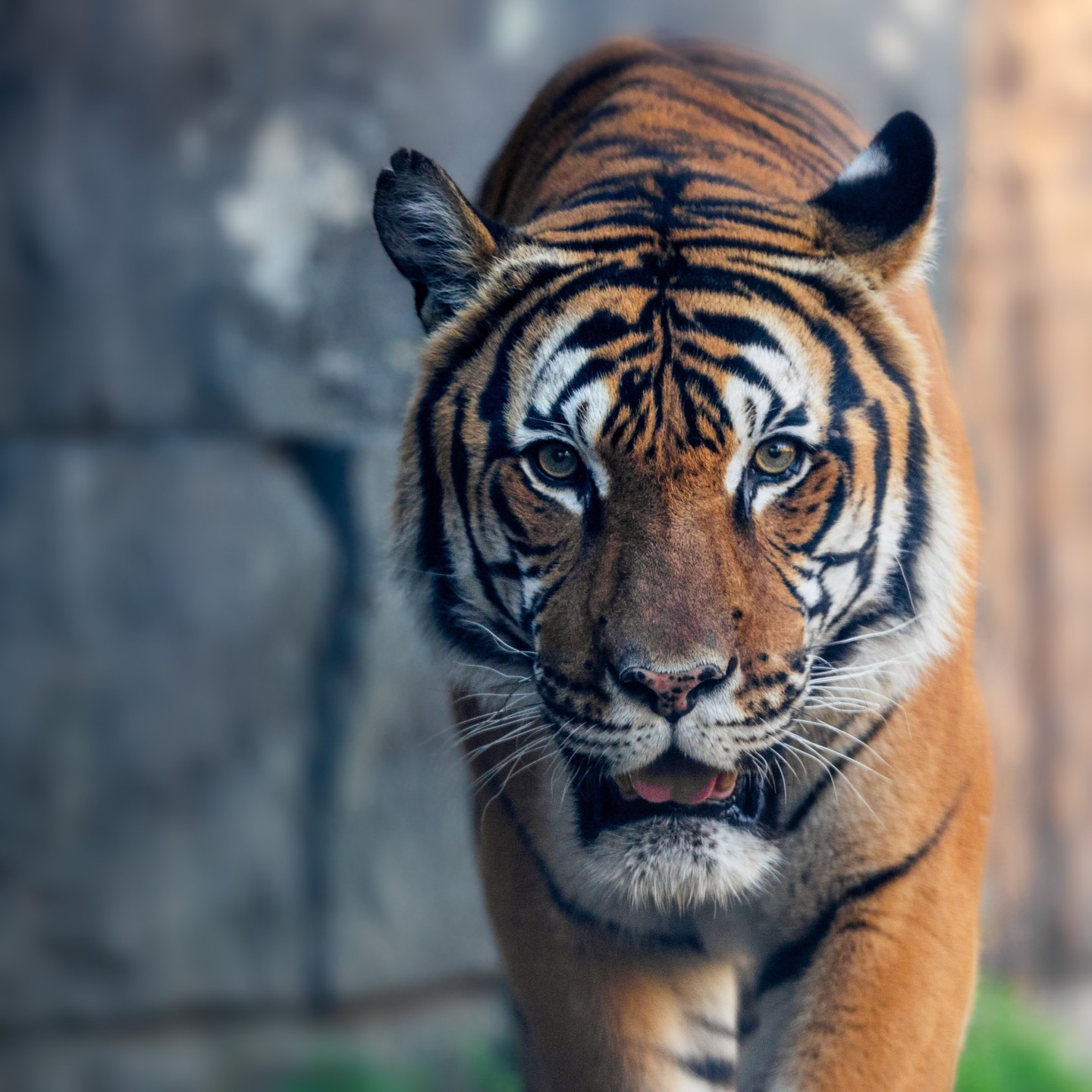
National Tiger Day, celebrated annually on July 29, serves as an important reminder of the beauty and vulnerability of this majestic species. The event aims to increase public awareness of the declining tiger population and to promote efforts for their conservation. At the heart of this initiative is the Malayan tiger, represented by Penari, a captivating feline known for his affinity for swimming in rivers. Let’s unfold the significance of National Tiger Day, the unique characteristics of Penari, the natural behaviors of tigers, and the critical conservation efforts designed to protect these amazing animals.
Understanding National Tiger Day and Its Significance
National Tiger Day was first observed in 2010 during the International Tiger Conservation Forum held in Saint Petersburg, Russia. The day was established to create a global platform for raising awareness about the alarming decline of tiger populations worldwide. According to the latest estimates, fewer than 4,000 tigers remain in the wild, a staggering decrease from historical numbers that once roamed across various continents.
The significance of this day extends beyond mere observation; it acts as a call to arms for wildlife conservation enthusiasts, policymakers, and the general public. The theme each year tends to focus on urgency and empowerment—encouraging people to take an active role in tiger conservation. Research shows that tiger populations can serve as indicators of overall ecosystem health, capturing public attention is crucial for maintaining biodiversity. As resources dwindle due to human activities, efforts to sustain these cats will help not only tigers but the myriad of species sharing their habitats.
Spotlight on Penari the Malayan Tiger
Meet Penari, the Malayan tiger who epitomizes the day’s spirit through his playful personality and love for river swimming. Malayan tigers are one of the smallest subspecies of tiger, residing primarily in the tropical forests of the Malay Peninsula. With a population estimate hovering around 250 individuals, Malayan tigers are classified as critically endangered. Ecologically, they play a vital role as apex predators, helping to control populations of herbivores and maintaining the balance within their ecosystem.
Penari’s intriguing behaviors, particularly his fondness for water, are quite characteristic of his species. Unlike other big cats that typically avoid water, tigers are known to be great swimmers. They immerse themselves in rivers and lakes to cool off, hunt, or simply enjoy their surroundings. This unique trait highlights the adaptability and resilience of tigers in navigating their environment.
Penari’s adventures often capture the hearts of visitors at the zoo, where he engages in activities that display his intelligence and agility. Whether diving underwater to retrieve a floating object or playfully splashing around with his keepers, Penari reminds us of the wild essence of tigers. Animals like him help to foster a personal connection to wildlife, making the cause for conservation all the more compelling.
Unique Behaviors of Tigers and Their Relationship with Water
Tigers stand apart from other feline species in multiple ways, especially their affinity for aquatic environments. Their bodies are specifically adapted to thrive in varied habitats, making them versatile hunters. For example, their webbed toes assist in swimming, while their strong muscles enable them to traverse difficult terrains.
Swimming serves several purposes. For tigers, it’s a way to cool down during hot weather, a crucial adaptation in their tropical habitats. Moreover, rivers and lakes often serve as natural barriers against prey, allowing tigers to ambush unwary animals. Watching Penari swim reveals a side of tiger behavior that is often overlooked, emphasizing their playful nature and inherent curiosity.
Furthermore, water poses a unique ecological factor in a tiger’s habitat. Healthy riparian zones support higher biodiversity, meaning that the presence of water influences prey dynamics and ecosystem health. Healthy populations of fish and plants in these areas contribute positively to the well-being of the wildlife living nearby. Thus, promoting clean water bodies directly supports tiger conservation.
Conservation Efforts and Challenges Facing Tigers
Despite their fascinating behaviors and ecological importance, tigers face numerous threats that have significantly reduced their population. Habitat loss due to deforestation, urban development, and agriculture stand as one of the primary challenges. As their natural habitats shrink, the chances of human-wildlife conflict increase.
Poaching also poses a significant threat. Tigers are often hunted for their body parts, which are in high demand for traditional medicine and luxury items. This illegal trade not only affects tiger populations but also disturbs the broader ecosystem, making their survival increasingly precarious.
Conservation efforts are multi-faceted. Groups like the World Wildlife Fund and Panthera are at the forefront, working on various initiatives such as establishing tiger reserves and promoting sustainable land-use practices. The Global Tiger Initiative, formally launched at the St. Petersburg Forum in 2010, aims to double the number of wild tigers by the year 2022, although the timeline has shifted to meet changing circumstances.
Rehabilitation programs that foster genetic diversity are essential. Captive breeding programs must carefully manage individuals to ensure a sustainable gene pool. By collaborating with local communities, conservationists work collectively to mitigate human-tiger conflicts through education and economic incentives such as ecotourism.
How Individuals Can Support Tiger Conservation
Tiger conservation is not solely the responsibility of organizations; individuals play a crucial role as well. Raising awareness is one of the most impactful actions a person can take. Sharing information, participating in local conservation events, or volunteering at wildlife centers can make a difference. By elevating public consciousness, one can contribute to the collective fight against poaching and habitat destruction.
Supporting eco-friendly businesses is another practical step. While shopping, consider purchasing sustainably sourced products. Patronize brands that actively engage in conservation efforts. Every dollar spent can help create a demand for conservation over exploitation.
Educating future generations about wildlife helps instill a sense of stewardship. School programs can integrate lessons about local wildlife, particularly endangered species like the Malayan tiger. Simple classroom activities or projects around animal conservation can foster lifelong advocates for wildlife protection.
Participating in citizen science projects provides another avenue for individuals to contribute. Monitoring local wildlife, reporting sightings, or helping in data collection can offer valuable insights for scientists working on conservation efforts. It’s a way to connect directly with nature and contribute to meaningful research.
As National Tiger Day approaches, the importance of such engagement multiples. Penari, with his playful nature and significance in promoting tiger conservation, presents not just a delightful spectacle but also a valuable lesson in our collective responsibility. Every action, whether big or small, contributes to fostering a safe future for tigers. Together, we can work towards a world where these magnificent animals thrive once again in their natural habitats.
By fostering a more profound understanding of both the science and the emotional connection humans share with tigers, we can inspire action that transcends generations. Engaging with stories, like that of Penari, ensures that the legacy of tigers will not be relegated to history but will endure in the wild for years to come.
*****
Source Description
Happy National Tiger Day! Penari, the Malayan tiger, has been winning hearts with his love for river swims. Unlike most cat species, tigers actually enjoy the water. Whether they’re cooling off, hunting, or just having fun, these big cats truly know how to make a splash! 🐅💦
