
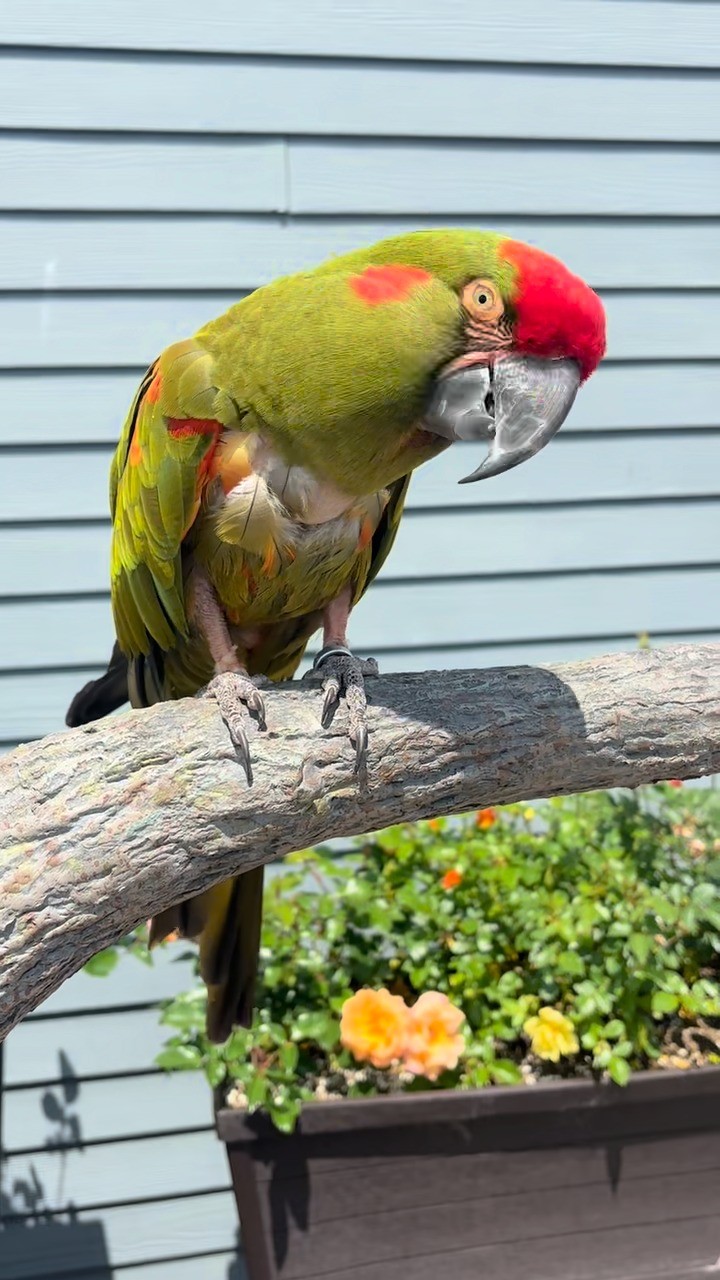
- Overview of Red-fronted Macaw: habitat, characteristics, and conservation status.
- The significance of World Parrot Day: awareness and education.
- Threats facing the red-fronted macaw and broader parrot species.
- Conservation efforts and community engagement initiatives.
- Importance of public education in promoting parrot conservation.
Red-fronted Macaw: Habitat, Characteristics, and Conservation
The red-fronted macaw, a vibrant and fascinating species, is native to the rugged landscapes of Bolivia. These parrots inhabit dry scrub forests and semi-desert regions, where they have adapted to thrive despite the challenging environment. Characterized by their striking crimson foreheads and verdant green plumage, these birds are charismatic and social in nature. Sadly, they are critically endangered, with fewer than 1,000 individuals believed to be left in the wild. Their dwindling numbers are primarily due to habitat destruction and illegal trapping for the pet trade.
World Parrot Day: Raising Awareness
World Parrot Day serves as a crucial opportunity to highlight the plight of parrots like the red-fronted macaw. Celebrated annually, this day fosters awareness of the challenges faced by these remarkable birds. Encouraging the public to engage with parrot conservation, educational events, and initiatives are organized globally. By sharing stories and information, organizations aim to inspire action and foster a broader understanding of the importance of preserving parrot species. Efforts focus on educating people about these captivating creatures and the ecosystems they are integral to.
Threats to the Red-fronted Macaw
The red-fronted macaw faces significant threats that have accelerated its decline. Habitat loss due to agricultural expansion and illegal logging has reduced their living space considerably. Moreover, these parrots are often caught in the crossfire between farmers and nature; they are seen as pests due to their penchant for crops. Another pressing issue is the illegal pet trade which captures and sells wild birds, decreasing their populations further. Conservationists emphasize that addressing these issues requires cooperative efforts between local communities, governments, and international organizations.
Conservation Efforts and Initiatives
Prominent conservation efforts focus on habitat protection, captive breeding, and legal reform. Organizations work tirelessly to create protected areas where wild populations can flourish. Breeding programs aim to increase numbers and bolster genetic diversity. Advocacy for stronger legislation against wildlife trafficking is also vital. Community engagement is paramount, where local populations are educated about the ecological value of preserving these birds. Programs that involve farmers in sustainable agricultural practices can reduce conflicts and promote coexistence with these vibrant creatures.
Public Education: A Tool for Conservation
Public education plays a vital role in parrot conservation. Interactive programs and educational presentations, like those at the Lighthouse Theater, allow audiences to learn about the diversity and needs of parrots globally. Engaging the public encourages them to become active participants in conservation efforts. By understanding the complex interdependencies within ecosystems, individuals can make informed decisions to support conservation initiatives. Education not only informs but also inspires, fostering a sense of shared responsibility toward protecting vulnerable species such as the red-fronted macaw.
*****
Source Description
Nico, a red-fronted macaw, is munching on a peanut – his special snack for World Parrot Day! 🥜
Red-fronted macaws are one of 390 parrot species found around the globe, and they call the dry scrub forests of Bolivia home. Sadly, they’re also critically endangered, and they need our help now more than ever. Their numbers are rapidly declining due to illegal wildlife trafficking and conflicts with local farmers, who often see them as pests.
But there’s hope. 💚 By learning about parrot species like the red-fronted macaw and sharing their story, you can help raise awareness and inspire action for their conservation. To start learning more about parrots, visit our daily Encounter the Wild presentations at 12p.m. at the Lighthouse Theater! 🦜
