
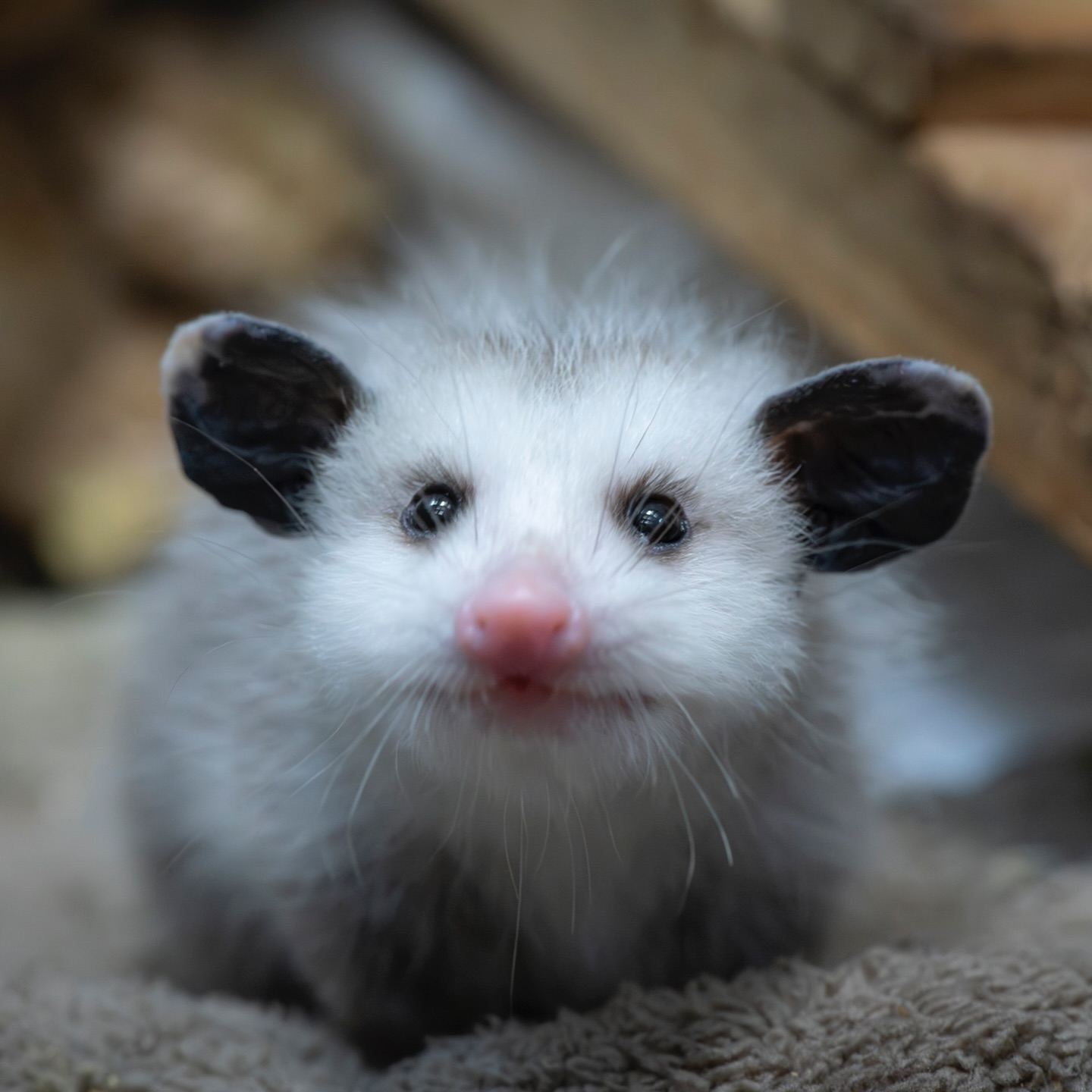
- Overview of Nigel the baby animal’s habitat and species characteristics
- Insights on the care and management of young animals in zoos
- The role of zoos in wildlife conservation efforts
- Importance of public engagement and education about species like Nigel
- Future research opportunities surrounding baby animals and their environments
Nigel the baby animal has captivated many hearts as a prominent feature at a zoological facility. The species he represents offers a valuable opportunity to explore important topics in zoology, zoo management, and wildlife conservation. Understanding Nigel’s characteristics, care needs, and the broader implications of his existence in captivity can enhance our appreciation for wildlife and conservation efforts.
The habitat of Nigel, as well as the species characteristics, provides critical insight into the natural ecosystem from which he hails. Different species have evolved in various environments, influencing their behaviors, dietary needs, and social structures. Depending on his species, Nigel may originate from grasslands, forests, or even aquatic regions. For instance, baby elephants and tigers have radically different habitats. Both species require nurturing environments early in their lives to grow into healthy adults.
Wildlife habitats are fragile, often affected by human activity and climate change. This underscores the importance of habitat conservation, which zoos participate in through their breeding programs. As baby animals like Nigel are born, they can help enforce the genetic diversity needed for healthy populations. This genetic variation is critical for species survival, especially as habitats become more fragmented. Providing young animals with a tailored habitat in captivity can not only resemble their natural environment but also stimulate their physical and cognitive development.
Proper care and management are crucial for any baby animal. Zoos employ specialized teams of veterinarians, zoologists, and animal caretakers dedicated to the well-being of young creatures. The management of young animals involves understanding both their nutritional needs and behavioral psychology. For instance, baby animals often require specific diets that mimic what they would consume in the wild. This ensures they receive adequate proteins, vitamins, and minerals essential for growth. Caretakers monitor their feeding habits closely and adjust their diets according to developmental milestones.
In addition to diet, social interaction plays an important role in a baby animal’s upbringing. Many species thrive in social groups, and in a zoo setting, the care team must replicate these dynamics as much as possible. Not only does socialization help in behavioral development, but it also aids in preparing the young animal for reintroduction into the wild if conservation programs allow for that. Educational programs at zoos may include simulation exercises and playtime designed to develop crucial social skills.
The role of zoos has expanded beyond simple exhibition to informed conservation efforts. Many accredited institutions are partners in global conservation initiatives. Baby animals like Nigel serve as ambassadors for their species, helping raise awareness about the challenges their counterparts face in the wild. Zoos engage in breeding programs aimed at increasing genetic diversity and ensuring the sustainability of endangered species.
These efforts extend beyond just the immediate care of Nigel and his ilk. The education provided to the public during zoo visits plays a significant role in shaping opinions about wildlife and conservation. Engaging narratives about the struggles faced by animals in their natural habitats can coincide with actual evidence showcased in exhibits. This not only informs visitors but also fosters a connection to the species they may never encounter otherwise.
Public awareness campaigns often include storytelling elements about animals like Nigel to illustrate the broader issues facing ecosystems. For instance, displaying how habitat loss, poaching, and climate change affect species can help foster a sense of urgency and responsibility among zoo attendees. Interactive displays, keeper talks, and educational workshops are tools that zoos leverage to inform the public and empower them to take action.
Moreover, the role of research in enhancing our understanding of baby animals and their needs cannot be overstated. Scientists conduct ongoing studies focused on understanding various species’ behavior, health challenges, and genetic diversity. Research on baby animals like Nigel can lead to actionable insights that not only improve zoo management practices but also inform conservation strategies for animals in the wild.
This research may include tracking developmental milestones in young animals, which is essential for establishing optimal care protocols. As each baby animal goes through growth phases, understanding the milestones associated with health and behavioral changes can help caretakers provide specialized support. Documenting these changes also contributes to collective knowledge, serving as a reference for both current and future zoological studies.
In addition, zoos often collaborate with universities and research institutions for studies that focus on baby animals and their environments. These partnerships facilitate a steady flow of knowledge and resources, enhancing both captive and wild populations. Notably, data gathered from zoos can be instrumental in wildlife reserve management and other conservation efforts.
The public’s involvement is pivotal in supporting these initiatives. Engaging in conservation efforts doesn’t end at the zoo gates; community action, fundraising, and awareness campaigns all contribute to the overall success of various wildlife projects. Baby animals like Nigel can become symbols of broader conservation issues, rallying community members to participate actively in resolving those challenges. Educational workshops and outreach programs provide opportunities for the public to learn about best practices for wildlife conservation, including responsible tourism and habitat protection.
Collectively, the insights gained from baby animals like Nigel reflect the interplay between animals, their environments, and human impact. They serve as reminders of the critical responsibility humans bear in preserving biodiversity. Each species plays a role in its ecosystem, and protecting young animals ultimately supports the stability of entire habitats.
Zoo management today faces an array of challenges, from climate change to increased human-wildlife conflict. Yet, the knowledge gleaned from caring for baby animals like Nigel shapes responses to these issues. Preventative measures in wildlife conservation can draw upon the extensive expertise developed through research and care practices.
By laying out a clear framework for care, management, and conservation implications, we can appreciate the interconnectedness of wildlife and human impacts. As baby animals continue to be born in zoos, each one presents an opportunity—an opportunity to learn, educate, and advocate for species preservation efforts.
The future of wildlife conservation hinges on collaboration and innovative thinking. Research opportunities surrounding young animals and their needs can further the cause of biodiversity, allowing species on the brink of extinction a chance at survival.
Through increased public engagement and robust conservation efforts, the stories of baby animals like Nigel propel action in preserving wildlife for future generations. As attendees visit the zoo, they witness not just the beauty of nature but also the critical missions at play. Closing the gap between wildlife education and conservation can lead to impactful contributions that resonate with both individuals and society at large. The journey of Nigel, still a baby, stands as a crucial step in our ongoing quest for understanding and protecting the natural world.
*****
Source Description
Nigel update: still a baby
