
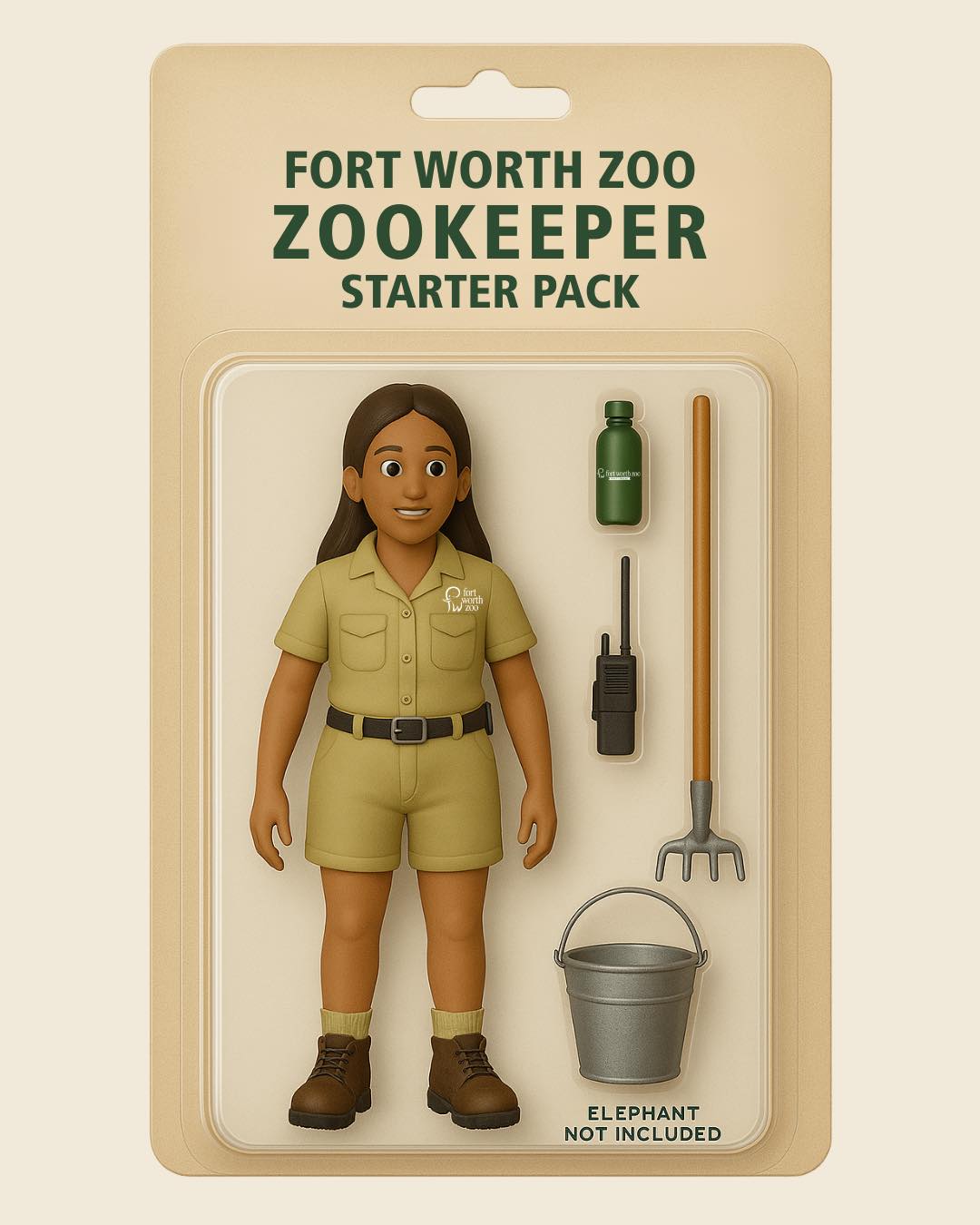
- Everyday heroes in wildlife conservation and management
- The role of professionals in various environments
- The impact of attire and its symbolism in conservation
- The importance of community engagement and education
- How individuals can participate in wildlife protection
Wildlife conservation is not just the responsibility of famous figures in capes. Many dedicated professionals contribute daily, often wearing khaki, polos, or lab coats. These individuals are ordinary heroes who make extraordinary impacts on ecosystems worldwide. Understanding their roles illuminates the crucial paths we are carving toward sustainability and environmental stewardship.
Everyday heroes in wildlife conservation and management include zookeepers, veterinarians, wildlife biologists, and conservation officers. Each of these professions plays a pivotal role in maintaining biodiversity and protecting endangered species. Zookeepers work directly with animals, often caring for species that may be on the brink of extinction. Their tasks involve not just feeding and cleaning but also understanding animal behavior and providing mental enrichment.
Veterinarians bring essential medical knowledge to the field, treating wildlife and ensuring their health. Wildlife biologists research animal populations, behaviors, and ecosystems, contributing valuable data that informs conservation strategies. Conservation officers implement laws designed to protect wildlife and their habitats, often engaging with local communities to encourage sustainable practices. Together, these professionals form a safety net for wildlife, making a profound difference in the fight against extinction.
The role of professionals varies significantly between environments such as zoos, wildlife reserves, and natural habitats. In sanctuaries and wildlife rehabilitation centers, experts nurture injured or orphaned animals, often working around the clock. These professionals assess the animals’ needs, rehabilitate them, and eventually release them back into the wild, where possible. Their work provides a critical line of defense for species facing threats like habitat loss and climate change.
In wildlife management, many professionals engage in habitat restoration projects, which might include reforestation efforts, wetland restoration, or pollution mitigation. Each project aims to improve the living conditions for species that have lost their habitats due to human activities. Local, national, and international partnerships strengthen these efforts, as various teams and organizations work with governments and stakeholders to develop effective conservation strategies.
The attire of these everyday heroes, while seemingly mundane, has insightful symbolism in wildlife conservation. Khaki uniforms, medical scrubs, and field gear signify dedication and professionalism. These outfits also serve practical purposes; they are often durable, weather-resistant, and designed for active environments. By wearing these uniforms, professionals convey their commitment to animal welfare and environmental stewardship.
Conservation organizations frequently use strategic messaging that focuses on the visibility of these heroes. Campaigns that celebrate conservationists in their standard wear help to change perceptions. They highlight that one does not need to wear a superhero cape to make a significant impact. Rather, the uniforms worn by these heroes communicate their desire to protect what is precious and vulnerable.
Community engagement and education play critical roles in wildlife conservation efforts. Successful conservation is not solely reliant on specialists; it requires public involvement. Educational programs initiated by conservation organizations aim to raise awareness about local wildlife, ecosystems, and environmental challenges. These initiatives provide valuable platforms where experts can share their knowledge, engage with the community, and inspire future generations.
Schools, parks, and local events often host workshops and presentations led by wildlife specialists. Through interactive activities, students and families learn about the importance of biodiversity, the need for conservation, and how they can contribute. These programs help shape a generation that respects and protects the environment. As public understanding grows, so too does support for wildlife protection initiatives.
Individuals can actively participate in wildlife protection through various avenues. Volunteering at local wildlife centers, participating in habitat restoration projects, or advocating for sustainable policies are all impactful actions. These grassroots efforts amplify the voices of conservationists and highlight the importance of community involvement.
Moreover, citizen science programs increasingly allow people from all backgrounds to contribute to conservation research. By documenting species sightings or participating in local surveys, individuals can aid professionals in collecting valuable data to inform management practices. These initiatives foster a sense of community and connection to nature, building a collaborative relationship between scientists and the public.
As we explore the various roles of everyday heroes in wildlife conservation, it’s essential to recognize the interconnectedness of our ecosystems. Biodiversity loss poses severe challenges, affecting not only wildlife but also human health and well-being. Every species contributes to its environment, and its absence can create cascading effects on food chains and habitats.
Climate change exacerbates these challenges, forcing wildlife into new environments as they adapt to shifting conditions. Additionally, deforestation, urbanization, and pollution threaten the delicate balance required for a stable ecosystem. Conservation professionals address these urgent issues through research, education, policy-making, and public outreach. These efforts are crucial for restoring habitats and fostering sustainable relationships between humans and wildlife.
Moreover, many species rely on specific habitats that are threatened by human activities. For example, the installation of wind farms may pose risks to birds, while urban development can fragment habitats essential for wildlife movement. Understanding these challenges is vital for conservationists as they develop strategies to mitigate risks and protect biodiversity.
Zoological institutions have increasingly positioned themselves as conservation leaders, not just places for recreational viewing. Many accredited zoos engage in global breeding programs for endangered species and conduct significant research contributing to species recovery efforts. These institutions often coordinate species survival plans that pool resources and expertise across facilities worldwide.
Increasingly aware of their role in education, zoos and aquariums have also expanded their outreach efforts. By providing engaging educational experiences, they help visitors connect emotionally with wildlife. These encounters can change perspectives and inspire conservation attitudes, influencing behaviors surrounding environmental issues.
The importance of legislation in wildlife conservation cannot be overstated. Strong policies ensure legal protections for endangered species, habitats, and ecosystems at risk. These frameworks often stem from scientific research and advocacy by conservation professionals. Many organizations work tirelessly to draft, promote, and enforce laws that uphold environmental protection measures.
Youth engagement is a growing focus, recognizing that the next generation of conservationists will shape sustainable practices and policies. Schools now integrate environmental education into their curricula, allowing students to explore real-world challenges and solutions within their own communities. Partnering with conservation organizations enhances these programs, giving students hands-on experiences that reinforce classroom learning.
Social media has also transformed how individuals connect with wildlife issues. By sharing stories of fieldwork, conservation successes, and the daily lives of professionals, social platforms provide a space for raising awareness. Hashtags like #ConservationHeroes celebrate the contributions of everyday wildlife warriors, broadening public engagement and sparking dialogue.
The ripple effect of these actions amplifies the influence of wildlife conservation. Each person involved, whether as a volunteer, advocate, or policy-maker, contributes to a larger movement toward global sustainability. As more individuals step forward, the collective effort fosters a sense of hope and encourages a cultural shift toward valuing biodiversity.
Everyday heroes in wildlife conservation, with their khaki, polos, and lab coats, embody a commitment to protecting the planet. Their dedication, combined with community engagement and education, creates a foundation for ongoing conservation success.
The variety of roles, from zookeepers to wildlife biologists, reflects a multifaceted approach to understanding and addressing environmental challenges. Empowering individuals through knowledge and participation paves the way for impactful actions. Together, we can create a future where wildlife flourishes and ecosystems thrive, embodying the spirit of conservation that these everyday heroes represent.
*****
Source Description
Not all heroes wear capes … sometimes they wear khaki! Or polos or lab coats! 🐘🤎😉
We’re taking action figures to the wild side with this trend!
