
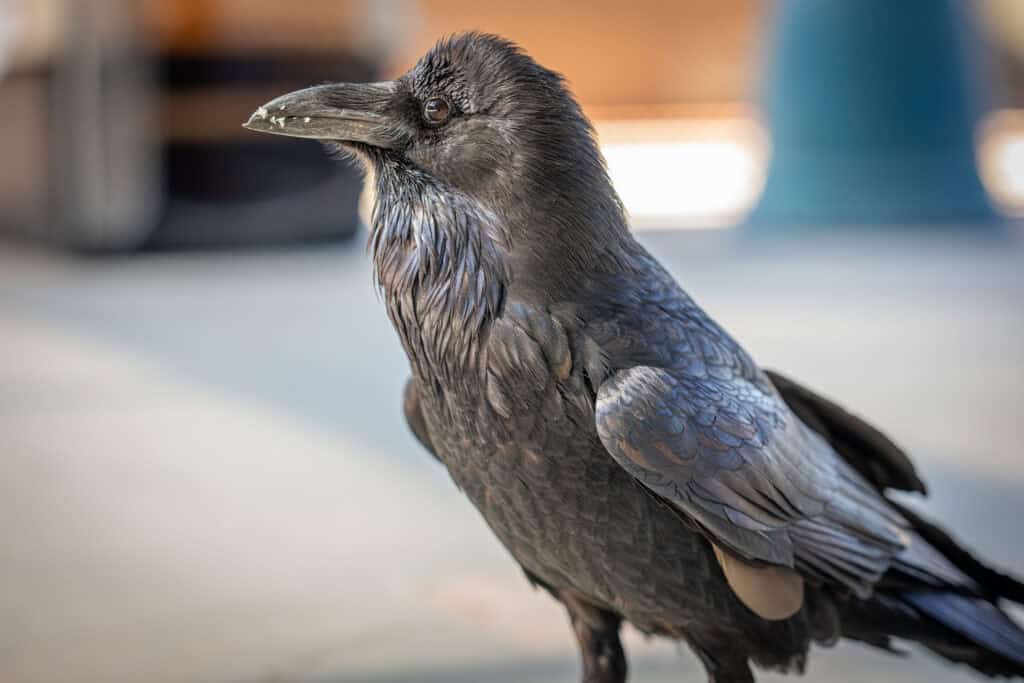
Summary of Odin the Raven:
The content features a blog post about Odin, a raven at the Phoenix Zoo. Odin was rescued after being found unable to survive in the wild due to imprinting on humans. She educates visitors about her species and conservation while engaging in training activities. The post emphasizes the importance of wildlife protection and highlights upcoming initiatives to expand animal care at the zoo. It includes images of Odin and links to related articles on animal rescue. The post was published on April 1, 2026.
- Odin’s story as an ambassador for conservation
- The importance of ravens in ecosystems
- The effects of human interaction on wildlife behavior
- Conservation efforts and rehabilitation programs for wildlife
- The role of zoos in educating the public about wildlife
Odin, a common raven residing at the Phoenix Zoo, serves as a fascinating example of both a majestic bird and an essential component of wildlife conservation. Ravens are known for their intelligence, adaptability, and strong social structures, making them pivotal in several ecosystems. Odin’s life, marked by her early imprinting on humans, showcases the critical impact of human intervention on animal behavior and welfare.
Ravens play an integral role in maintaining ecological balance. As scavengers, they help control populations of smaller mammals and assist in the breakdown of organic matter. Their ability to thrive in diverse habitats ensures they can adapt to environmental changes. This adaptability is a model for resilience, highlighting how some species can endure and even help other organisms navigate challenges.
However, Odin’s journey alarms the implications of human interaction with wildlife. She was confiscated in 2012 by the U.S. Fish and Wildlife Service after being improperly kept as a pet. This led to her dependency on humans, meaning she could not return to the wild, as she lacked the necessary skills to survive. Imprinting occurs when animals, usually in their formative stages, develop a preference for entities they frequently encounter, often leading them to exhibit behaviors more aligned with those entities than their species. Odin’s case emphasizes the importance of leaving wildlife undisturbed in their natural habitats, where they can thrive without the influence of human interaction.
The Phoenix Zoo has embraced the role of caregiver and educator through its Animal Ambassador Resources (AAR) program, where Odin serves as a living testament to wildlife conservation. Her presence educates numerous visitors about the importance of respecting wildlife and understanding animal behavior. Educating the public about variances in animal needs, behavior, and ecology is crucial for fostering a community that values conservation.
Odin’s training at the zoo is essential not only for her mental stimulation but also for fostering engagement with guests. She participates in exercises that keep her intellectually active, like retrieving rings or blocks to reinforce color recognition and other cognitive abilities. This is vital for ravens, known to possess high levels of intelligence comparable to some primates and cetaceans. Engaging these clever birds in activities that challenge their abilities promotes well-being and prepares them to demonstrate natural behaviors to visitors.
Many organizations, including the Phoenix Zoo, are actively involved in wildlife rehabilitation and conservation efforts. Collaborating with agencies like the U.S. Fish and Wildlife Service and the Wildlife Trafficking Alliance bolsters their impact. The zoo’s ongoing commitment to rescuing and rehabilitating animals highlights the growing recognition of the need for more comprehensive care facilities, such as the new Doornbos Animal Rescue and Care Center (Doornbos ARCC). This initiative will extend the zoo’s ability to take in animals like Odin who have lost the chance to experience life in the wild due to unfortunate early experiences.
The plight of animals like Odin serves to improve awareness about the pressing need for wildlife conservation. The more the public is educated about animals in zoos, the more empathy can be fostered for the countless species facing threats in the wild. Raising awareness about their natural behaviors, habitats, and threats they face is crucial in creating a generation that supports conservation.
Ravens are often underestimated regarding their critical role in ecosystems. They are highly social animals with strong familial bonds that contribute not only to their survival but also influence other species. Their capacity for problem-solving and adaptation can benefit a wide range of organisms within their environment. By studying Odin and her behavior, animal care staff at the zoo can derive insights about the social interactions and intelligence of ravens, which is invaluable in understanding their ecological significance.
In today’s context, zoos have transitioned from merely housing animals to becoming vital educational institutions. Their role encompasses advanced wildlife care, research, and public outreach. The presence of ambassadors like Odin also allows zoos to contribute significantly to discussions about conservation challenges and solutions. By inviting guests to learn about the consequences of wildlife trafficking and the impact of habitat loss, they become instrumental in fostering a proactive stance toward conservation.
There is a dual responsibility for zoos: providing sanctuary for animals like Odin who cannot survive in the wild and nurturing future generations of wildlife stewards. The balance of educating and engaging the public is vital for effective conservation action. Successful outreach relies on relatable and compelling narratives that underline the significance of wildlife preservation. Odin’s story exemplifies this narrative and reminds visitors that every action matters, whether through responsible behavior toward wildlife or supporting institutions dedicated to conservation.
The activities and training that intertwine with Odin’s life are also crucial for promoting mental well-being among captive animals. This aspect resonates with modern animal care philosophy, emphasizing the emotional and psychological needs of animals. Engaging in enrichment activities can significantly enhance the quality of life for animals like ravens, who thrive on mental challenges and social interaction. Such methods generate a richer and more dynamic environment that reflects their natural behaviors.
Ultimately, Odin serves as more than just an ambassador for her species; she embodies a larger conservation mission aimed at fostering a deep-rooted commitment to wildlife preservation. Her existence at the Phoenix Zoo offers educational opportunities, engages the public, and highlights the importance of ethical practices in wildlife care. The goal is not merely to admire her but to inspire a love for all wildlife, fostering engagement and action toward safeguarding their futures.
Odin’s journey exemplifies the complexities of animal care and conservation in a world where human action can lead to both positive and negative outcomes for wildlife. She stands as a reminder that while not all animals can return to the wild, they can still play a vital role in conservation efforts and community education. By fostering understanding and respect for wildlife, each visitor can contribute to the broader goals of conservation and safeguarding the delicate balance of nature. As organizations expand facilities and rescue efforts, the impact has the potential to grow, shaping future generations and promoting a more robust appreciation for the biodiversity that sustains life on our planet.
Through stories like Odin’s, we learn that wildlife conservation is a shared responsibility, encouraging each individual to take actionable steps toward making a difference for the animals that enrich our ecosystems.
