
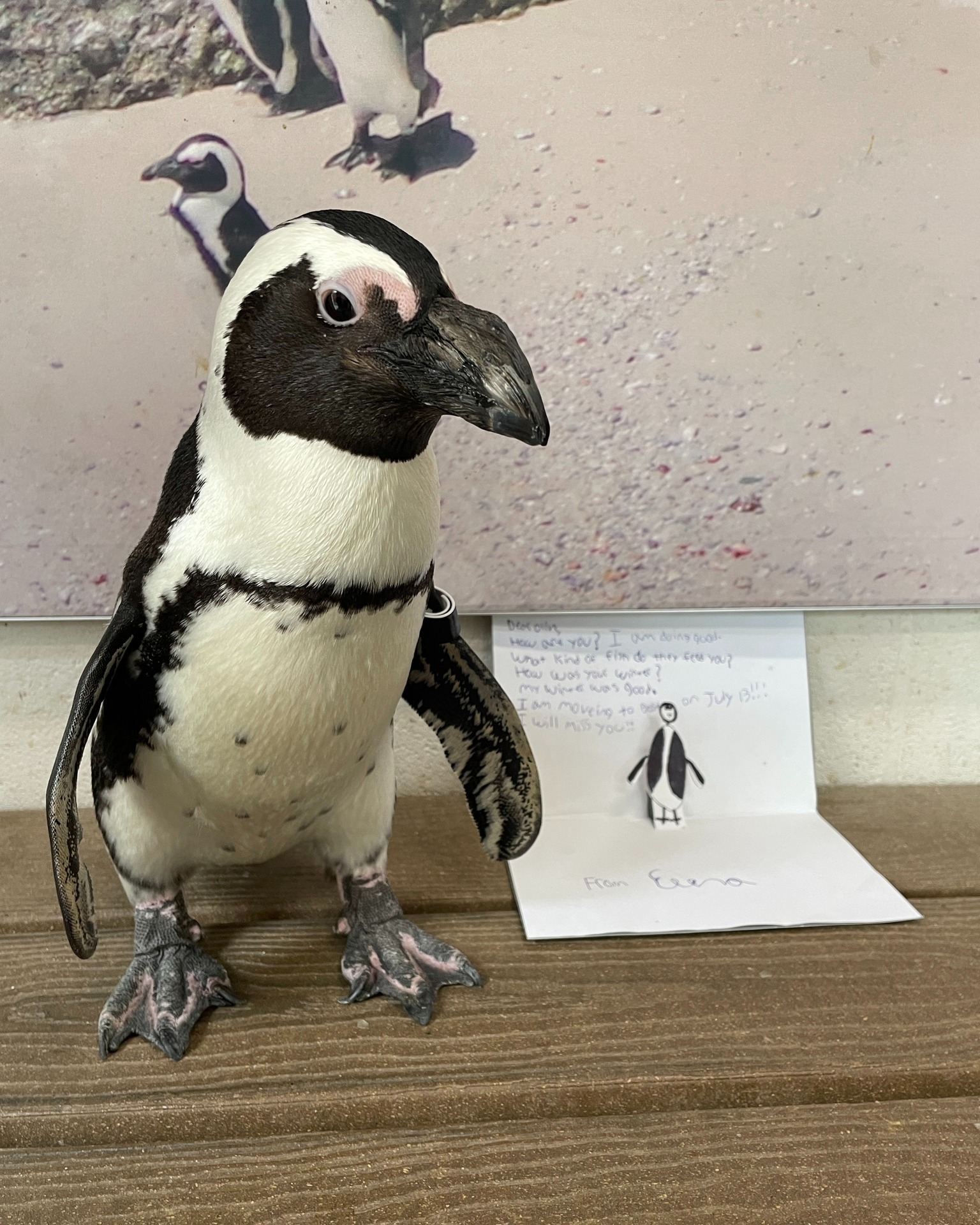
- Olive the African penguin ambassador brings joy to her visitors.
- Olive’s varied diet focuses on the nutritional needs of African penguins.
- The importance of wildlife education and engagement for conservation efforts.
- The role of zoos in wildlife preservation and species recovery programs.
- Zookeeping best practices to promote animal well-being.
African penguin ambassador Olive recently received a thoughtful card from a young visitor. This gesture highlights the connection between humans and wildlife, emphasizing the need for education and empathy in the conservation arena. Understanding Olive’s life and diet not only sheds light on her individual needs but also raises awareness about the African penguin species as a whole.
Olive’s diet is made up of a mix of four types of fish: herring, salmon, capelin, and smelt. Each of these fish provides essential nutrients required for maintaining Olive’s health and well-being. However, it’s noteworthy that she has developed a preference for smelt. This variation in her diet is significant; it reflects the dietary habits that are vital for an African penguin’s survival and health. These birds are classified as carnivorous, primarily consuming fish and occasionally crustaceans. Understanding the dietary needs of African penguins can help zoos and aquariums meet the nutritional standards necessary for their care.
Fish like herring and salmon are rich in omega-3 fatty acids, which contribute to overall health, supporting their immune systems and reproductive functions. Meanwhile, capelin and smelt are beneficial for their protein content, which is essential for muscle and tissue development. The proper balance of these food sources ensures optimal health for penguins in captivity, facilitating their adaptation to a controlled environment.
Education plays a crucial role in conservation. When young visitors like the one who wrote to Olive engage with animals, they foster a love for wildlife that can translate into proactive conservation efforts. Experiences at zoos create lasting impressions, encouraging children to learn more about species from their habitats to threats they face globally. When guests interact with ambassadors like Olive, they become more invested in conservation, often leading to advocacy and support for wildlife initiatives.
Zoos serve many functions that extend beyond mere displays of animal life. They are central to conservation efforts, particularly for endangered species like the African penguin. As populations of these birds have decreased sharply due to factors such as habitat loss and climate change, zoos have stepped in to implement species recovery programs. These initiatives often involve breeding programs designed to reintroduce animals into the wild, genetic research, and conservation education. For instance, African penguins are facing severe threats due to dwindling fish stocks off their coasts, underlining the necessity for targeted conservation strategies.
An integral part of effective wildlife management is zookeeping, which focuses on promoting animal welfare. Zookeepers are trained professionals who ensure that animals like Olive are cared for in ways that mimic their natural behaviors as closely as possible. This includes providing enrichment activities that stimulate both mental and physical health. Enrichment can manifest in various forms—interactive feeding, habitat design, or even social engagement with other penguins.
Moreover, the role of public engagement cannot be understated. Educational programs that invite visitors to learn and participate in animal care help cultivate empathy towards wildlife. Outreach initiatives can inspire a new generation of conservationists. By sharing Olive’s story and others like hers, zoos can empower individuals to partake in meaningful conservation activities. Whether it’s through understanding local ecosystems or supporting legislation aimed at protecting endangered species, public engagement sparks wider community involvement.
Monitoring penguin populations is equally essential. Research projects focus on tracking the health and behavior of African penguins in captivity and in the wild. Data collected from these studies inform best practices related to care and breeding programs. This research not only assists in maintaining healthy penguin populations in zoos but also contributes invaluable information to field conservation efforts. Knowledge about how these birds interact with their environments allows scientists to address the challenges they face in the wild.
The African penguin is particularly vulnerable due to historical factors such as oil spills and overfishing. Chemical spills disrupt marine ecosystems, harming fish populations that penguins rely on. Therefore, addressing such issues through wildlife conservation initiatives is pivotal in supporting the health of the entire marine biome. This is where collaboration with environmental organizations comes into play, highlighting a holistic approach toward wildlife preservation.
Engagement with animals like Olive can also lead to tangible actions. Many visitors are encouraged to participate in coastal clean-ups or support sustainable fishing practices after learning about the threats that African penguins face. Tangible actions help bridge the gap between awareness and action, empowering individuals and communities to make lasting changes.
The life of a captive penguin is closely monitored. Zookeepers often use behavioral assessments to improve living conditions. Their observations guide daily routines, from feeding schedules to habitat maintenance. Welfare standards are set to minimize stress and maximize comfort, creating an environment where animals can thrive. Each penguin has unique traits and behaviors that influence how they interact with their environment.
In the wild, African penguins exhibit specific behaviors that reflect their adaptation to their surroundings. They tend to form lifelong partnerships, displaying strong social structures. Understanding these natural behaviors is crucial for maintaining successful breeding programs in captivity. The monitoring of Olive and her companions can provide data that influence breeding timings, genetic pairings, and even enrichment strategies.
Furthermore, community engagement around zoos helps elevate local conservation efforts. Schools often partner with nearby zoos for educational programs that embed conservation education into their curricula. Interactive sessions, field trips, and workshops create an enriching experience. This grass-roots level of engagement nurtures eco-consciousness among young students, equipping them with knowledge about biodiversity, ecosystems, and the importance of protecting wildlife.
Facilitating awareness about the plight of animals like Olive extends beyond the zoo experience. Social media platforms and outreach campaigns serve as powerful tools for disseminating information. They help raise awareness about the delicate situation of African penguins and other endangered species. Sharing Olive’s sweet card from a young visitor emphasizes the personal connections people can have with wildlife. It becomes a call to action to protect their habitats and promote sustainable practices.
Efforts to support African penguins also include collaboration with various stakeholders, including governmental agencies, non-profits, and scientific researchers. Policies and legislation aimed at protecting marine biodiversity can directly influence the future of these birds. The importance of establishing marine protected areas cannot be overstated as it creates safe havens for vulnerable species like the African penguin.
Birdwatching and ecotourism are also growing sectors that emphasize responsible tourism. They provide economic incentives for local communities while fostering respect for biodiversity. Training local guides and communities about the value of preservation helps create a network of advocates who appreciate the natural beauty surrounding their neighborhoods. This engagement not only safeguards species but also promotes resilient ecosystems through sustainable practices.
As the story of Olive and her card illustrates, every little connection made with wildlife can lead to profound changes in attitude and action. The joy of an animal ambassador serves as a catalyst for inspiring public interest in pressing environmental topics. Continued education and engagement from entities like zoos are essential in driving the momentum needed for effective conservation strategies.
By celebrating Olive’s life and the connections she fosters, the broader mission of conservation and wildlife education becomes clear. Every visitor, young or old, has an opportunity to engage with nature, advocate for change, and participate in the ongoing effort to protect wildlife. The future of African penguins depends not only on the efforts of conservationists but also on the collective commitment to action from individuals inspired by their stories.
As we witness Olive’s favorite meals and the joy in her interactions, we are reminded that she represents more than just an ambassador of her species; she is a symbol of hope and a call to action. Olive’s well-being and the education she fosters both serve as building blocks for a more compassionate understanding of wildlife and the delicate balance of ecosystems. The heartfelt engagement from young guests like the one who wrote to Olive signifies a transformative journey, one that echoes across generations and leads toward a more sustainable future.
*****
Source Description
African penguin ambassador Olive received a sweet card from a young guest, and we wanted to share a little update in return! 💌🐧 Olive enjoys a mix of four different kinds of fish—herring, salmon, capelin, and smelt—but lately, smelt has definitely been her favorite. 🐟 We’re so glad this letter made its way to her!
