
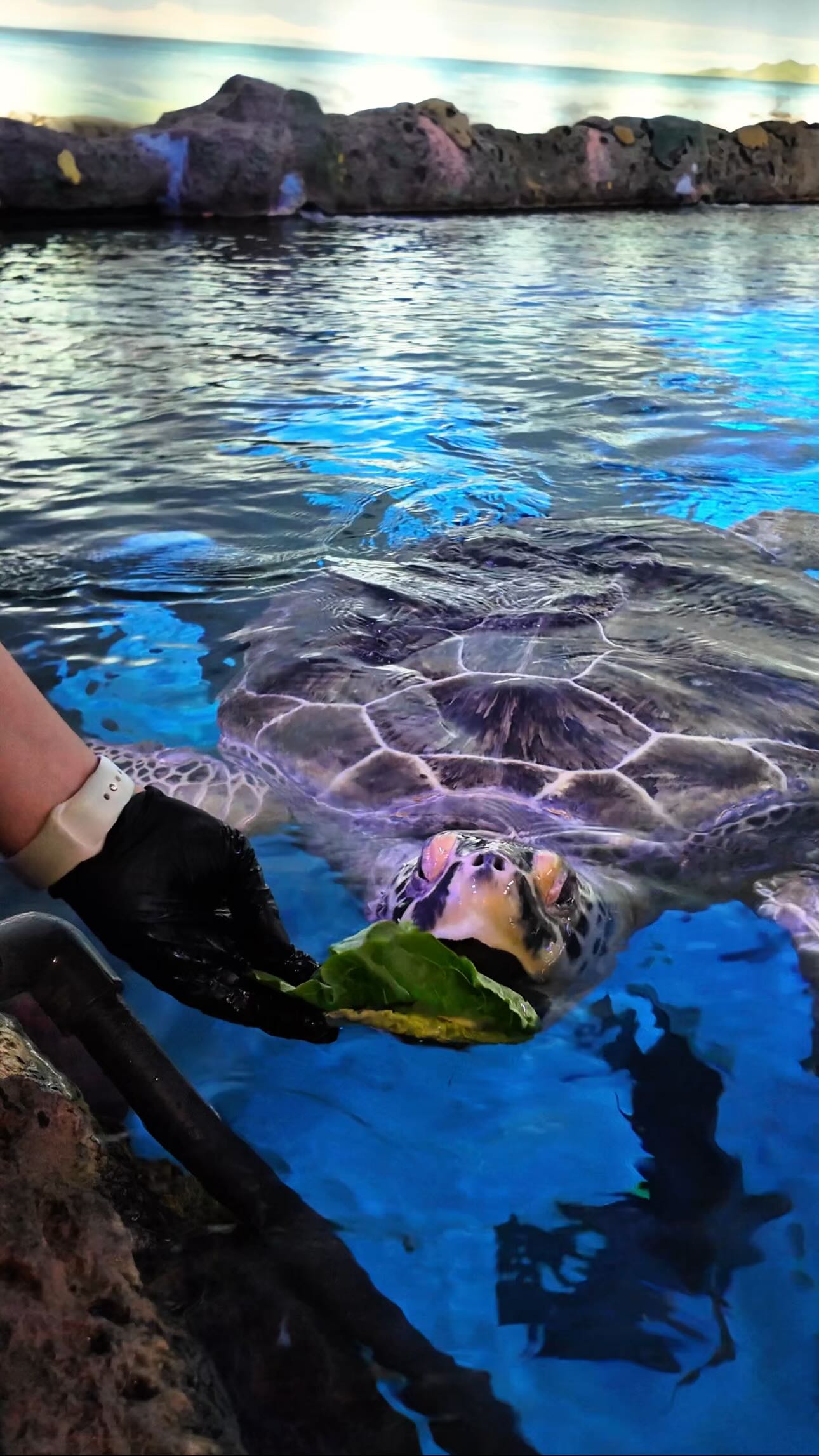
- The significance of one minute of uninterrupted Spot snacking for captive turtles.
- Understanding the nutritional needs of turtles in a controlled environment.
- The role of enrichment activities in modern zoo management.
- The impact of feeding practices on turtle health and behavior.
- Conservation implications of understanding turtle feeding behaviors.
One minute of uninterrupted Spot snacking stands out as an essential practice in the care of captive turtles. For these reptiles, incorporating healthy feeding habits is not merely a matter of sustenance; it influences their overall well-being. When observing turtles engaging in a focused feeding session, we see more than just consumption; we witness a naturalistic behavior that can be critical for their happiness and health.
Understanding the nutritional needs of turtles involves recognizing their varied dietary requirements based on species. Some turtles are herbivores, while others are omnivores or even carnivores. Thus, one minute of uninterrupted Spot snacking becomes crucial as it allows caretakers to monitor what the turtles consume first-hand. This minute can showcase the turtles’ preferences, helping zookeepers determine the effectiveness of their diets. Greens like collard and dandelion leaves are staples for many species. These can offer important vitamins and minerals, crucial for a turtle’s health.
Additionally, various commercial foods are designed to supplement what turtles might miss in their natural habitats. This attention to dietary needs is a foundation of effective zoo management. Comprehensive animal husbandry practices emphasize not just what the animals eat, but how they eat it. Captive turtles can miss out on innate foraging behaviors, which are essential for their mental engagement. This is where enrichment activities come into play.
The concept of enrichment is key in modern zoo management, aiming to replicate species-specific behaviors. Enrichment activities relate to providing stimuli that encourage natural behaviors in captive animals. One minute of uninterrupted Spot snacking can serve as a form of sensory enrichment for turtles. It encourages them to engage with their environment actively. By offering them a variety of foods or distributing food items within their habitat, zookeepers can mimic natural foraging scenarios. This provokes problem-solving skills, stimulating both the mind and the body.
Research has shown that animals with adequate mental stimulation tend to exhibit fewer stress-related behaviors. Stress in turtles can lead to health problems and affect their overall behaviour. Regular enrichment schedules, tailored explicitly for different species of turtles, help in maintaining their well-being. For instance, aquatic turtles benefit from food being placed just out of reach so they must swim and dive for their meals, while terrestrial turtles may find scattered food items encourage them to roam and explore.
Feeding practices are not only vital for providing the right nutrients but also influence social behaviors. During feeding, turtles can display territoriality or engage in competitive behaviors—both of which form an essential part of their interaction with each other. Observing one minute of uninterrupted Spot snacking allows zookeepers to analyze these behaviors. This insight into social hierarchies and interactions can help inform when and how to introduce new individuals into existing groups, making it invaluable for managing turtle collections in zoos.
The implications of understanding turtle feeding behaviors extend beyond zoo walls. Many turtle species are declining in the wild due to habitat loss, poaching, and climate change. Conservation efforts rely on understanding these animals’ behaviors and needs to rehabilitate and preserve their populations effectively. Knowledge gleaned from studying the one minute of uninterrupted Spot snacking can be pivotal in crafting conservation programs. For example, rehabilitators can learn about the natural diets of various turtle species and recreate them in care settings.
Additionally, feeding trials conducted with one minute focused on Spot snacking can yield data useful for conservation. By monitoring preferences for food items, wildlife biologists can make informed decisions on which native plants to restore in habitats where these turtles thrive. These insights play an integral role in biodiversity preservation as they lead to informed habitat restoration and food security for turtle populations.
In essence, one minute of uninterrupted Spot snacking is not just a moment in time; it encapsulates vital aspects of turtle care, behavior, and conservation. This singular minute serves as a reflection of the multi-faceted approach needed in zoo management today. With a focus on nutrition, behavioral enrichment, social interactions, and broader conservation efforts, understanding this simple yet profound concept offers insights that can resonate well beyond zoo boundaries.
As caretakers and advocates for wildlife, zookeepers are charged with the important task of not only caring for these animals but also ensuring the information they gather contributes to a larger narrative about conservation and education. Each minute spent observing turtles during feeding times could provide a stepping stone to better practices in both care and conservation.
Considering the central role one minute of uninterrupted Spot snacking plays is essential for agents of conservation, looking ahead means adapting methodologies to meet the dynamic needs of both captive and wild turtles. Such adaptability is crucial as ecological challenges evolve. The knowledge acquired through detailed observation and proactive care informs future efforts towards species recovery, pairing scientific understanding with humane practices.
Ultimately, one minute of uninterrupted Spot snacking reveals profound possibilities in the study and management of turtles. It embodies the intersection of animal care, enrichment, nutrition, and conservation, fostering a deeper understanding of these reptiles’ needs. As we shift focus towards creating more engaging environments for turtles, these small but significant moments can catalyze broader change in how we approach the care of wildlife.
Embracing sound practices in these areas not only improves the quality of life for turtles in captivity but also bolsters ongoing conservation efforts focused on preserving their populations in the wild. Thus, one minute of uninterrupted Spot snacking becomes a focal point in enhancing both captive care standards and equipping future generations to tackle conservation challenges. The collaborative efforts of zookeepers, biologists, and conservationists all pivot around these foundational moments.
*****
Source Description
One minute of uninterrupted Spot snacking 🥬🐢
