
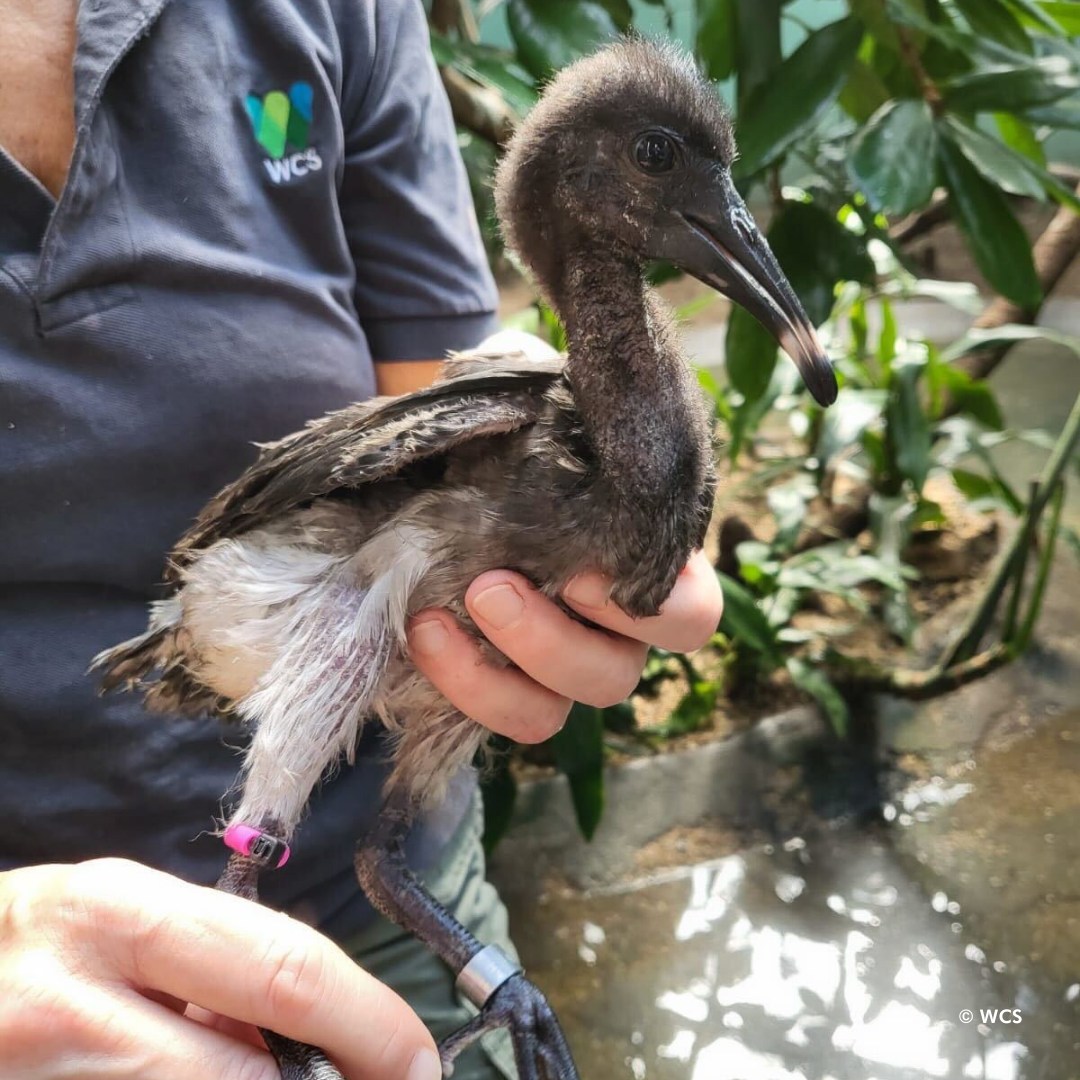
- The role of bird keepers in the conservation of scarlet ibises.
- The significance of banding newly hatched scarlet ibis chicks.
- A historical perspective on scarlet ibis breeding at the Bronx Zoo.
- The ecological importance of scarlet ibises and their habitats.
- Visitor engagement and educational opportunities at the Bronx Zoo.
The role of bird keepers in the conservation of scarlet ibises cannot be overstated. These professionals are essential in the day-to-day care of birds, ensuring they receive the best diets, suitable habitats, and necessary medical attention. Bird keepers at the Bronx Zoo have dedicated themselves to the breeding and management of scarlet ibises. Their hands-on approach involves careful observation, behavioral training, and enrichment programs that aim to imitate what these birds would encounter in their natural habitats. This specialized care promotes healthy growth and development, which is vital for the welfare of the species.
Bird keepers also implement breeding programs that have proven successful in recent years. In particular, banding newly hatched scarlet ibis chicks is a significant task. Banding serves multiple purposes: it allows for individual tracking of birds, aids in health assessments, and provides valuable data for population studies. Each band is uniquely coded, which helps bird keepers identify and monitor the specific needs and behaviors of each chick. This information is crucial in understanding how these young birds adapt to their environments and can inform future conservation efforts aimed at sustaining populations.
The significance of banding newly hatched scarlet ibis chicks extends beyond individual observation. Banding contributes to broader conservation strategies by enhancing data collection across several institutions. For instance, the Bronx Zoo’s initiatives align with global efforts to conserve wild populations of scarlet ibises. These initiatives are vital, especially because the species faces habitat loss and other threats in their natural ranges. By gathering data on diet, migratory patterns, and social behaviors through banding, conservationists can create robust strategies aimed at preserving these beautiful birds.
A historical perspective on scarlet ibis breeding at the Bronx Zoo reveals a fruitful commitment to conservation. Since the year 2000, a total of 174 scarlet ibis chicks have hatched at the zoo. Of these, 40 chicks have arrived in the last five years alone, highlighting not only the effectiveness of modern breeding techniques but also the increasing importance of targeted conservation efforts. Each successful hatch contributes to the genetic diversity of the population. This genetic diversity is essential for resilience in fluctuating environmental conditions, allowing the species to thrive despite challenges.
Scarlet ibises are not just important in the context of conservation; they also play a critical ecological role in their habitats. These birds primarily inhabit wetlands, estuaries, and mangrove swamps, where they perform vital functions in the ecosystem. By feeding on crustaceans, insects, and other small organisms, they help control populations of these species. Their foraging behavior aerates the sediment, which can enhance nutrient cycling and support various aquatic plants. Thus, the health of scarlet ibis populations is intrinsically linked to the health of their ecosystems.
Visitors can engage with these remarkable birds and learn more about their importance at the Bronx Zoo’s Aquatic Bird House. The exhibit provides an accessible way for the public to observe and appreciate scarlet ibises in a setting that mimics their natural habitats. Interactive displays and educational programs give visitors insights into the challenges that scarlet ibises face in the wild, including habitat destruction and climate change. Engaging with the exhibits enables attendees to understand the broader implications of conservation work, inspiring them to support ongoing efforts to protect these and other species.
The educational value of visiting the Bronx Zoo extends beyond mere observation. It serves as an important platform for raising awareness about environmental stewardship. Special programs often include talks hosted by bird keepers, aimed at illuminating the complexities involved in conserving species like the scarlet ibis. These sessions emphasize not just the beauty of the birds, but their interconnectedness with broader ecological networks. By disseminating knowledge, the Bronx Zoo fosters a culture of responsibility and action among its visitors.
The influx of interest in scarlet ibises reflects a growing realization of the importance of avian species in maintaining ecological balance. Bird watchers and enthusiasts contribute to citizen science initiatives, providing critical data on bird populations. This data can assist in shaping policies aimed at habitat preservation. Additionally, it creates opportunities for collaborative projects that involve local community members, encouraging them to actively participate in the conservation narrative.
The Bronx Zoo’s role in breeding and banding scarlet ibis chicks exemplifies the gaps that zoos can fill in species preservation. By adopting science-driven practices, the Bronx Zoo showcases how facilities can make meaningful contributions to conservation. The dedication of their bird keepers highlights an ongoing commitment to research, community education, and species restoration. Mentioning the number of hatchlings provides tangible evidence of the zoo’s successes in these areas. Each chick is a testament to the concerted efforts of conservationists and wildlife managers.
In summary, the importance of dedicated bird keepers in the conservation of scarlet ibises aligns with the growing need for more public understanding of wildlife issues. The banding of newly hatched chicks serves as a crucial tool for data collection and future conservation measures. The historical record of the Bronx Zoo underscores its pivotal role in sustaining the species and highlights the continuous need for focused management techniques. Recognizing scarlet ibises’ ecological importance reminds us of our responsibility to protect these birds and their environments.
Through engaging experiences at the Bronx Zoo, visitors can gain newfound perspectives on conservation efforts, encouraging them to become better stewards of the environment. The combination of on-the-ground data collection, public education, and genetic diversity management creates a comprehensive approach to preserving these magnificent birds for generations to come. By visiting the Aquatic Bird House, you not only get to witness these beautiful creatures but also become a part of the broader conversation surrounding wildlife conservation. The Bronx Zoo illustrates how collaborative efforts at all levels can lead to success in maintaining healthy wildlife populations.
*****
Source Description
Our bird keepers have been hard at work banding our newly hatched scarlet ibis chicks! Fun fact, 174 scarlet ibis chicks have hatched at the Bronx Zoo since 2000, with 40 of them hatching in the last five years. Visit them today in the Aquatic Bird House!
📸: Keeper Leela
