
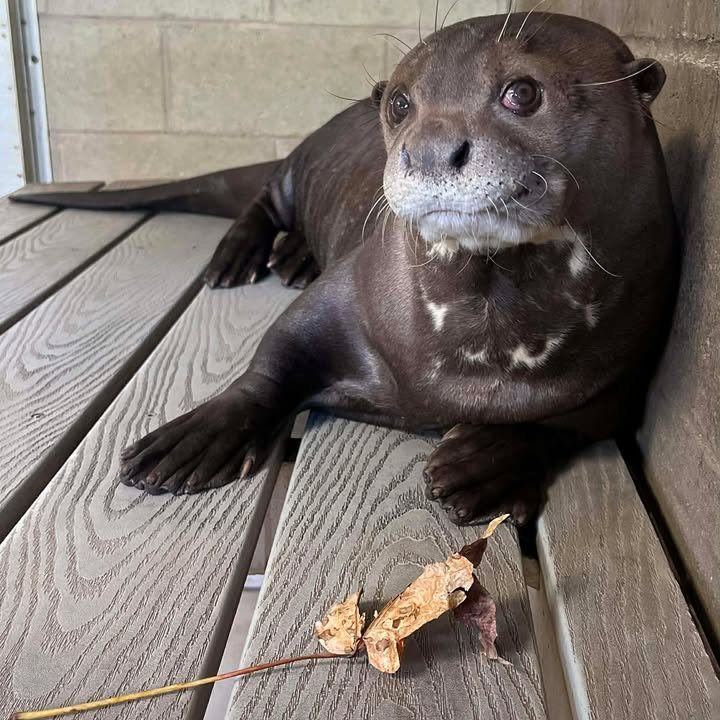
- The life and characteristics of giant otters, including their natural habitat and lifespan.
- The medical challenges Fernando faced, specifically his orthopedic injury and resultant conditions.
- An overview of the innovative treatments employed, particularly the use of stem cell therapy.
- The emotional impact of Fernando’s loss on the zoo staff, animals, and the community.
- The role of zoos in wildlife conservation and the importance of caring for aging animals.
Giant otters (Pteronura brasiliensis) are social, aquatic mammals native to the rivers and streams of South America. Known for their playful demeanor, these otters are highly intelligent and live in family groups. In the wild, giant otters typically inhabit areas with abundant fish and vegetation, making their survival contingent upon a healthy ecosystem. Their lifespan can extend from 10 to 13 years, with age often leading to various health challenges.
Fernando, our beloved giant otter, was a noteworthy representative of his species. He brought joy to many and exemplified the playful spirit of giant otters. However, as he reached the age of 11, he was considered geriatric. Aging can introduce complications, particularly in well-loved animals like Fernando, whose veterinary and care team had to continually adapt to his changing health status.
Fernando arrived at the zoo with a significant past. An old orthopedic injury in one of his hind legs had led to abnormal healing. Over time, this injury caused arthritis, incrementally altering his gait and increasing the stress on his feet. This led to a condition known as pododermatitis, a painful inflammation that can severely affect an animal’s mobility and quality of life. Pododermatitis is often exacerbated by weight-bearing issues, making this condition particularly challenging for animals like Fernando, who are adapted for life in water but require sound foot health to thrive.
The management of Fernando’s pododermatitis and arthritis was a comprehensive process. His incredible keepers diligently provided care, including regular monitoring and appropriate treatments. They were not just caregivers; they became advocates for Fernando, ensuring that his condition was always prioritized. Their commitment to maintaining his comfort involved a range of interventions over the years, showcasing the importance of quality animal care in a zoo setting.
One of the most remarkable aspects of Fernando’s treatment was the application of stem cell therapy, which was employed when his conditions worsened over a year ago. Collaborating with the veterinary experts at Michigan State University, our veterinary team developed a stem cell line derived from Fernando’s body fat. This innovative technique allowed for targeted treatment of his arthritis and pododermatitis, directly addressing the underlying inflammation and pain.
The stem cells were injected into Fernando’s bloodstream, promoting healing from within. This breakthrough treatment provided temporary relief by reducing inflammation and alleviating some of the weight-bearing issues that he had experienced. The procedure not only extended his comfort for an additional 11 months, but it also highlighted the advancements in veterinary medicine that allow for improved care of geriatric animals. Stem cell therapy represents a positive shift in how we approach chronic conditions in captive animals, refining our medical practices and ensuring better outcomes.
Last Wednesday, during a routine evaluation, it was determined that Fernando’s condition had unfortunately deteriorated. The veterinary team assessed his feet and ankle, concluding that there were no further effective treatment options available. Faced with this heartbreaking reality, our dedicated team made the compassionate decision to euthanize Fernando, prioritizing his comfort in the face of escalating pain.
The loss of Fernando resonates deeply within the zoo community. He and his older brother, Romo, had been part of the zoo since 2018, and their bond was evident to all who observed them. Fernando’s lively personality stood out, especially when he playfully displayed his antics to visitors. His vivacious spirit was a reminder of the joy animals can bring. The emotional impact of his loss extends beyond staff; it also affects the other animals. Romo is being closely monitored as he adjusts to the absence of his brother. The emotional bonds shared between animals in zoo settings are often overlooked, yet they are profound and meaningful.
Zoos serve as critical institutions in wildlife conservation. They not only provide refuge for endangered species but also facilitate education and raise awareness about environmental issues. The care of aging animals like Fernando underscores the importance of compassion in zoological settings. Many zoos are stepping up their efforts in animal welfare, ensuring that aging animals receive specialized care that meets their unique needs.
The thoughtful management of geriatric animals fosters a deeper understanding of their biology, health challenges, and potential treatments. The case of Fernando illustrates how zoos have been at the forefront of implementing cutting-edge medical practices, contributing to our knowledge of animal care while also advocating for their well-being.
In addition to providing direct animal care, zoos play a vital role in educating the public. By sharing stories like Fernando’s, they raise awareness about species conservation and the importance of preserving natural habitats. Visitors are inspired to learn more about wildlife conservation issues and may feel compelled to contribute to efforts to protect endangered species.
The experience with Fernando and his family highlights the intricate connections between animal care, veterinary science, and education. Every interaction with animals in a zoo setting offers opportunities for learning, empathy, and advocacy. The loss of a beloved animal like Fernando is never easy, but it can catalyze a renewed commitment to advancing animal welfare practices and education about species conservation.
Fernando was not just a giant otter; he was a vibrant member of our community. His playful spirit and captivating personality left an indelible mark on everyone he met. As we mourn his loss, we also celebrate his life. The care he received, the innovative treatments employed, and the love shared by staff, visitors, and fellow animals serve as a testament to the profound impact one animal can have.
As we navigate such emotional losses, it’s crucial to affirm the vital role of zoos in animal care and conservation. The legacy of Fernando emphasizes that our responsibility goes beyond just housing animals; it extends into ensuring their quality of life, providing medical innovation, and fostering education about wildlife issues. By honoring his memory, we can amplify the message of conservation, informing future generations about the need to protect these magnificent creatures and their habitats.
*****
Source Description
Our Zoo is heartbroken as we share the loss of beloved giant otter, Fernando. At 11 years old, Fernando was considered geriatric, as giant otters typically live 10-13 years.
Fernando arrived at the Zoo with an old, orthopedic injury that healed abnormally in one of his hind legs. Over time, the injury led to arthritis and an altered gait, which placed undue stress on his feet. These factors resulted in pododermatitis, a painful inflammation of the skin and deeper tissues of the foot.
The pododermatitis was well managed for years thanks to multimodal medical management and the diligent care of his incredible keepers. When his arthritis and pododermatitis worsened a year ago, our veterinary care team employed groundbreaking stem cell therapy to extend his comfort and mobility for another 11 months.
Our vet department partnered with Michigan State University to develop a stem cell line from a sample of Fernando’s body fat to help treat his arthritis and pododermatitis. These stem cells were injected into Fernando’s bloodstream. Treatment was successful and temporarily helped reduce inflammation and alleviate some of the weight-bearing issues, improving quality of life.
Fernando received a recheck last Wednesday that confirmed the condition of his feet and ankle had worsened. Ultimately, it was determined that there were no further effective treatment options, and our team made the compassionate decision to euthanize Fernando.
Fernando and his older brother, Romo, have lived here since 2018 and are both staff favorites. His big personality always shined through, especially when he was swimming and playing, often showing off to guests with his lively antics. Animal care is closely monitoring Romo as he adjusts to the absence of his brother and companion. Fernando will be so missed by all who knew and loved him.
