
- The vital role of donations in supporting zoo operations and animal care
- The significance of species like the fennec fox in conservation efforts
- Comprehensive care practices for zoo animals, emphasizing veterinary support
- The impact of zoo management on wildlife education and community engagement
- How individuals can contribute to zoo initiatives and make a difference
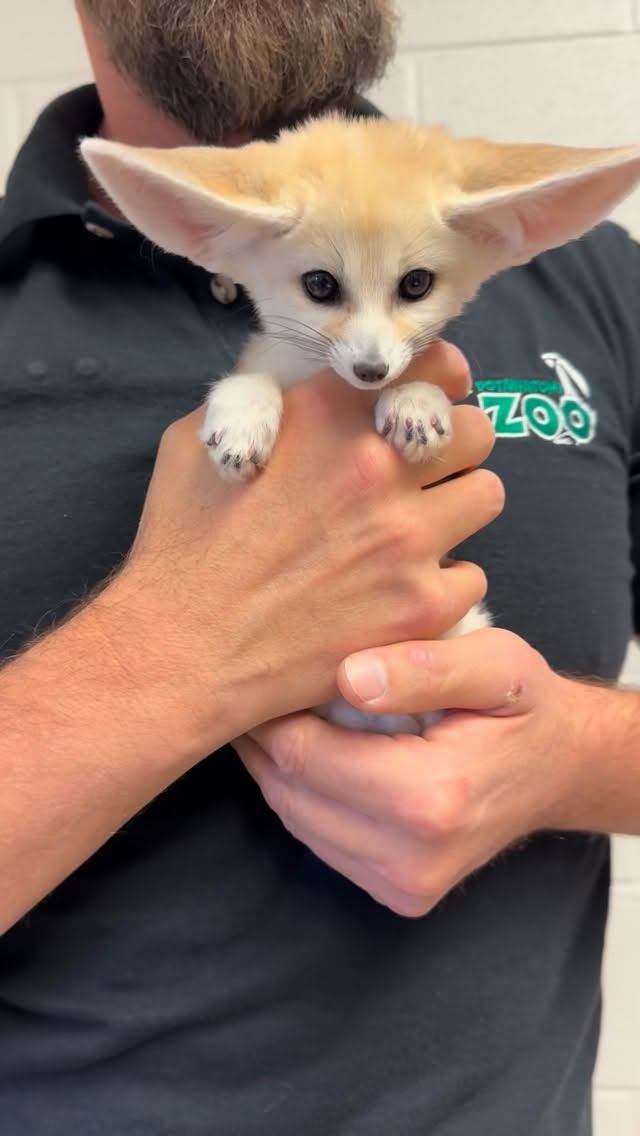
Thank you so much for supporting the Zoo today and every day! Your gifts help us provide critical care for more than 350 animals, including a fennec fox kit currently receiving special veterinary attention. Donations are essential for the ongoing operations of zoos, ensuring that each animal receives the best possible care, and enhancing educational efforts that raise awareness about wildlife conservation.
Donations play a crucial role in the functioning of a zoo. Ticket sales and memberships only cover a portion of the expenses associated with animal care, habitat maintenance, and staff salaries. Your financial contributions allow us to purchase high-quality food and veterinary supplies, maintain clean and safe habitats for the animals, and invest in staff training. Every dollar counts, and small contributions can collectively create significant impact. Support from the community helps maintain the balance between animal welfare and educational initiatives.
Taking a closer look at one particular resident, the fennec fox kit, we can better understand why your support matters so much. The fennec fox, native to the Sahara Desert, is adapted to survive in arid environments. With large ears that dissipate heat and exceptional hearing for locating prey, these small foxes showcase remarkable evolutionary traits. In captivity, species like the fennec fox can educate visitors about their wild counterparts and the ecosystems they inhabit. The special care this kit receives from veterinary staff helps prepare it for its future, potentially as a part of an educational exhibit.
Caring for zoo animals extends far beyond regular feeding schedules. Veterinary practices are intricate and form an important part of animal wellness. Zookeepers observe each animal daily to monitor behavior, appetite, and overall health. If any concerns arise, the veterinary team conducts thorough examinations. This often includes diagnostic imaging, blood tests, and sometimes even surgical procedures. The fennec fox kit, for example, is receiving preventative health care and monitoring as part of its behind-the-scenes growth. This attention ensures animals are in optimal health for any public interactions or educational experiences.
Zoo management not only addresses animal welfare but also strives to engage the community actively in wildlife education. Educational programs often include guided tours, workshops, and interactive sessions that highlight endangered species, ecosystems, and conservation strategies. Understanding biodiversity and the threats facing wildlife helps foster a sense of responsibility among visitors, which is a key aspect of conservation. Zoos aim to inspire visitors, connecting them with nature and promoting actions to protect wildlife.
Many zoos also partake in species conservation efforts. Captive breeding programs help maintain genetic diversity among endangered populations. By fostering healthy breeding pairs, zoos can work toward reintroducing species to their native habitats. This hands-on approach is critical for species facing threats such as habitat destruction or poaching. Particularly with species like the fennec fox, the knowledge gained from managing a healthy population in captivity can be valuable when reintroducing them to their natural environments.
You can support the Zoo today and be part of these crucial animal care programs. By visiting potawatomizoo.org/annual-fund, you have the opportunity to make a difference. Whether your contribution is large or small, every donation is meaningful. Engaging with the Zoo not only provides essential funds but also fosters connections within the community, promoting greater awareness of wildlife and conservation issues.
In summary, the ongoing support from visitors and donors is vital for zoos to operate effectively. Contributions empower wildlife care, enhance educational initiatives, and promote conservation efforts. The story of the fennec fox kit exemplifies how each donation directly influences animal welfare and education. Together, we can support the Zoo and its mission to care for these remarkable animals while fostering a deeper understanding and appreciation for wildlife in our communities.
These initiatives showcase the integral relationship between zoos, the species they care for, and the public. Your generosity directly impacts the lives of these animals and the education of future generations. It’s through our collective efforts that we can preserve the biodiversity within our ecosystems and ensure the survival of these incredible species. Thank you for choosing to support the Zoo, and for being part of this meaningful journey towards wildlife conservation.
*****
Source Description
Thank you so much for supporting the Zoo today and every day! Your gifts help us provide care for more than 350 animals, including this fennec fox kit who is living behind-the-scenes right now, getting a little extra vet care.
If you’d like to support the Zoo today, there’s still time to make a difference! Just visit potawatomizoo.org/annual-fund (link in bio) and make a donation of any amount. Thank you for your generosity!
