
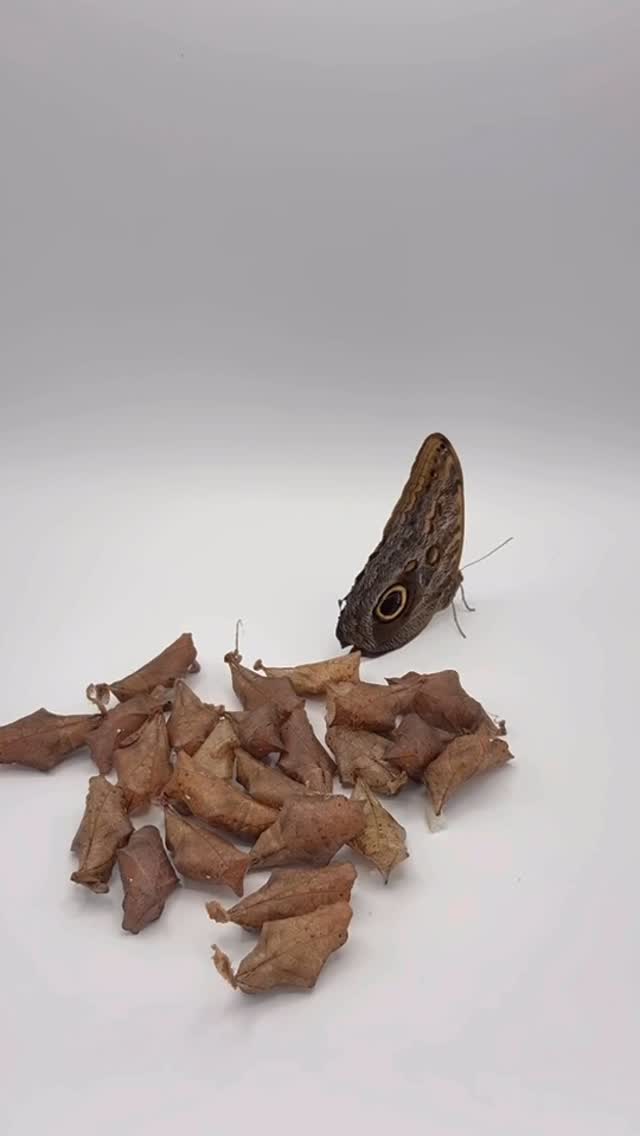
- The habitat and distribution of the owl butterfly, Caligo sp.
- The cryptic nature of the owl butterfly chrysalis and its adaptive strategies.
- Comparison between its characteristics and those of the Blue Morphos.
- Role of the owl butterfly within the ecosystem and its importance in conservation.
- Strategies for butterfly conservation and their implications for biodiversity.
The owl butterfly, known scientifically as Caligo sp., is a remarkable example of adaptation and survival. Native to Central and South America, it thrives in tropical rainforests and exhibits fascinating physical traits that contribute to its success. This butterfly, along with its distinctive chrysalis, presents an interesting case study in environmental adaptation.
Owl butterflies inhabit a range of geographic locations across Central and South America, including countries like Costa Rica, Brazil, and Colombia. Their habitat typically consists of humid rainforest ecosystems, where they have adapted to blend seamlessly into their surroundings. This species is primarily found at elevations ranging from sea level to about 3,000 feet. The lush environment of the rainforest provides ample food sources and places for the butterflies to camouflage themselves from predators.
The chrysalis stage of the owl butterfly is particularly noteworthy. It is cryptic in appearance, resembling a dried leaf. This natural mimicry serves as a defense mechanism against potential threats. Predators such as birds, frogs, and other insectivores often overlook the chrysalis, mistaking it for a harmless piece of foliage rather than a developing butterfly. The fact that their chrysalis can often go unnoticed highlights the importance of cryptic color patterns and shapes in butterfly evolution.
The ability to disguise itself is not limited to the chrysalis. Adult owl butterflies also exhibit intriguing coloration. Their hindwings are marked with a prominent, eye-like pattern often referred to as ‘eyespots.’ These patterns are believed to serve multiple purposes. Firstly, they can intimidate potential predators, making the butterfly appear larger and more threatening. Secondly, eyespots can mislead attacking birds by redirecting their attention away from the butterfly’s vital body parts.
When comparing the owl butterfly to its cousin, the Blue Morpho (Morpho peleides), several distinguishing features become evident. While both species are vibrant and striking, they differ significantly in wing patterns. The Blue Morpho flaunts iridescent blue wings adorned with many small eyespots on both forewings and hindwings. In contrast, the owl butterfly has a singular, large eyespot on the hindwing. This difference in morphology offers insight into their respective survival strategies.
Both the owl butterfly and the Blue Morpho play significant roles in their ecosystems. As adults, they serve as important pollinators, facilitating the reproduction of various plants in the rainforest. Interestingly, the larvae stage primarily feeds on the leaves of host plants, selecting specific species that provide necessary nutrients. This dietary choice reflects an evolutionary adaptation that supports their growth and development.
However, habitat loss and environmental changes pose significant threats to both species. Deforestation, driven by agricultural expansion and urban development, disrupts their natural habitats. As butterfly populations decline, the implications extend beyond individual species, affecting the entire ecosystem’s health. The loss of pollinators can result in decreased plant diversity, adversely impacting other organisms that rely on these plants for food and shelter.
Conservation efforts aimed at protecting these butterflies are crucial. Initiatives may include habitat restoration, establishing protected areas, and promoting sustainable land-use practices. Public awareness campaigns that highlight the ecological roles of butterflies can also foster community involvement and stewardship of local environments.
Enhancing butterfly populations supports broader biodiversity goals, emphasizing the interconnectedness of all life forms. By safeguarding the environments where owls and other species thrive, society contributes to the overall health of our planet. Local communities can also participate in butterfly gardening, planting native flora to create safe havens for various butterfly species.
In a world facing increasing ecological challenges, prioritizing butterfly conservation can lead to meaningful environmental restoration. The owl butterfly, with its remarkable adaptations and vital role in the ecosystem, exemplifies the importance of preserving biodiversity. Educational pursuits, research, and environmental policies aimed at protecting these insects will benefit not only owls but countless other species that share their habitat.
Understanding the owl butterfly provides insight into the intricate relationships that exist within ecosystems. Observing how species adapt to their environments, flourish, and then face challenges highlights the importance of conservation. Recognizing these patterns encourages proactive efforts to maintain biodiversity.
Both scientists and enthusiasts alike can engage with this topic in various ways. Field studies focusing on butterfly populations can offer valuable data, while citizen science projects allow individuals to contribute to ongoing research initiatives. Each observation made contributes to a greater understanding of the species and their habitats.
The owl butterfly exemplifies dual significance; it is not only a creature of beauty but also a crucial player in ecological systems. Chickens, toucans, and other forest dwellers depend on the delicate balance of their ecosystem, highlighting the need for sustainable practices that protect shared habitats.
Butterfly watchers and wildlife enthusiasts are encouraged to appreciate butterflies in their natural environments. Observation of behaviors, lifecycle stages, and preferred habitats can deepen appreciation for this butterfly and its kin. Furthermore, sharing these experiences through social media platforms and educational programs helps raise awareness of the importance of conserving butterfly species.
Through sustained advocacy, research, and collaboration among conservationists, policymakers, and the public, the future of the owl butterfly can be more promising. Ensuring their survival aids in preserving vital ecosystems, fostering hope for subsequent generations. Recognizing the value of these delicate creatures is not merely environmental awareness but an acknowledgment of the interconnected web of life on the planet.
Emphasizing ecological education for future generations is paramount. Schools can integrate environmental studies that highlight local butterflies’ roles in maintaining biodiversity. Engaging students in hands-on activities, such as butterfly gardening, can foster a sense of responsibility towards nature.
Community involvement through citizen science also creates opportunities for individuals not only to learn but also to contribute actively to conservation efforts. Encouraging the public to monitor butterfly populations offers vital data for research while allowing communities to feel connected to their local environment.
Individuals interested in supporting the cause can contribute through various avenues, from donating to wildlife conservation organizations to participating in local conservation programs. Actions aimed at protecting habitats, reducing pesticide use, and supporting native plant cultivation can collectively create impact.
Promotion of eco-tourism in areas rich in butterfly populations can also serve as an economic incentive. Visitors attracted to the beauty of these butterflies can create opportunities for local communities while simultaneously funding conservation initiatives. Ultimately, a multifaceted approach is essential to ensure a future where the owl butterfly thrives.
Recognizing that the intricate web of life extends beyond one species encourages a holistic view of biodiversity conservation. By protecting the habitats of the owl butterfly and similar species, society is simultaneously safeguarding ecological integrity.
Understanding the life cycle of the owl butterfly and its importance in the ecosystem offers valuable lessons. The stage of the chrysalis, representing patience and metamorphosis, resonates beyond the butterfly itself, emphasizing themes of change and adaptability vital in nature.
As we navigate challenges posed by environmental changes, the owl butterfly stands as a vibrant reminder of the resilience inherent in natural processes. Supporting conservation initiatives is not merely a duty but a privilege, allowing individuals to actively contribute to the health of the planet. Effectively engaging with and protecting species such as the owl butterfly helps create a sustainable future where diverse forms of life can thrive in harmony.
*****
Source Description
Native to Central and South America, an owl butterfly chrysalis is cryptic and looks a bit like a dried leaf. This helps it blend in with the plants of the rainforest. They are often confused with the Blue Morphos but the best way to tell the difference is to look at the size and number of eyespots – owls have one large eyespot on the hindwing and morphos have many small eyespots on both the fore- and hindwing. 🦋: Owl butterfly – Caligo sp.
