
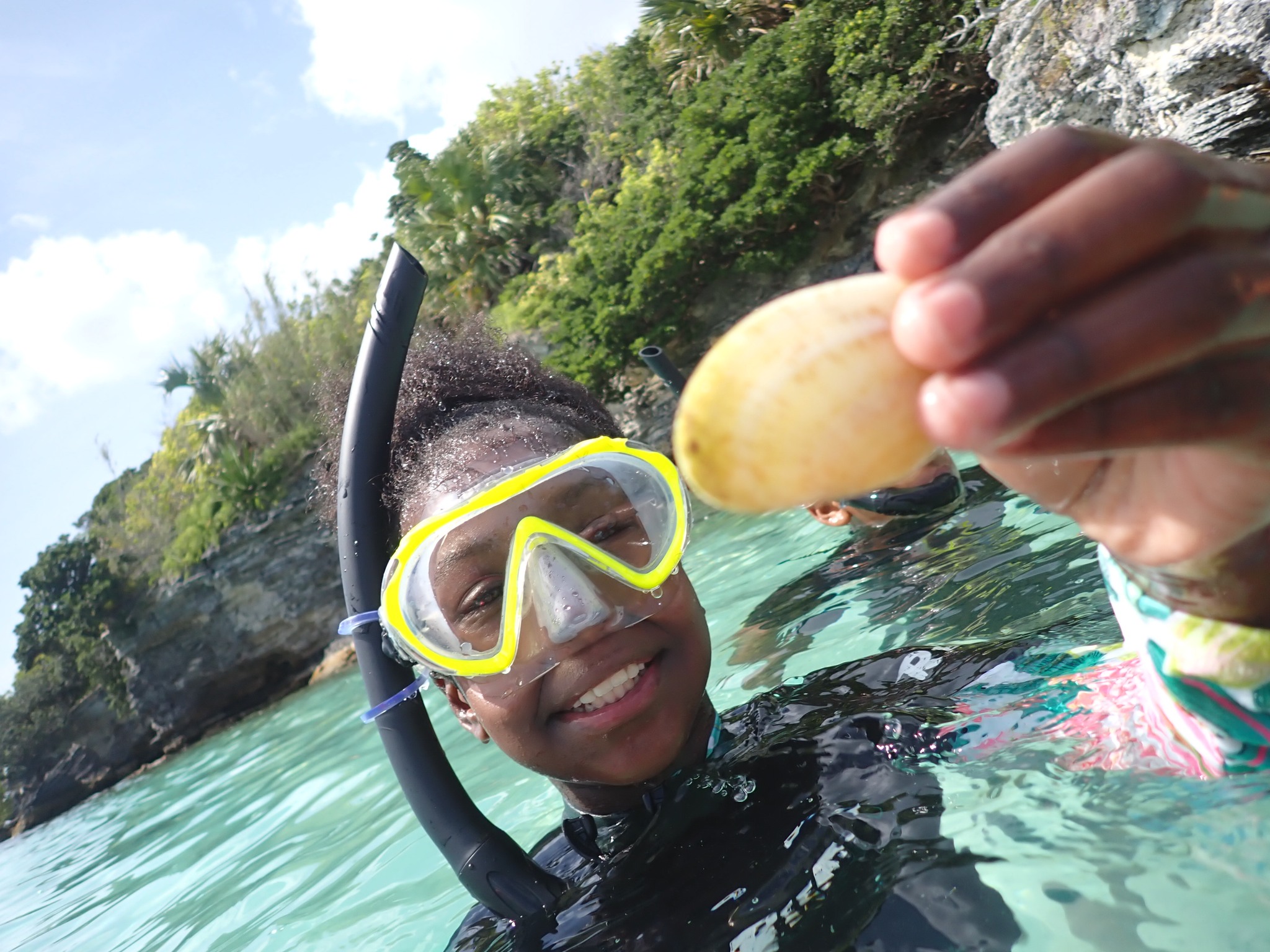
- The significance of first experiences in marine education for students.
- Insights into predator-prey dynamics observed during the snorkeling experience.
- The importance of ocean conservation and fostering a connection to marine environments.
- Overview of BZS Ocean Education programs and their impact on young learners.
- The role of water safety and skill development in children’s ocean experiences.
Marine education is pivotal in shaping young minds, particularly those who are just beginning to explore oceanic ecosystems. Recently, a group of Primary 5 (P5) students returned to the Bermuda Zoological Society (BZS) for an immersive adventure led by Ocean Educator Dr. Alex. This program marked a series of firsts for many participants, from snorkeling to observing real-time predator-prey interactions in the vibrant habitats of coral reefs.
The experience not only provided practical knowledge but also fostered confidence and curiosity in the young explorers. For many, it was their first time snorkeling, their first boat ride, and their first encounter with wild marine life. These unique experiences are essential in educational settings as they allow students to witness firsthand the wonders of the marine environment, transforming theoretical knowledge into tangible, memorable experiences.
Understanding how predator-prey interactions operate is vital in grasping ecological balance. Coral reefs serve as complex ecosystems where various species interact dynamically. Students observed how predators use speed and camouflage while prey species deploy various strategies for survival. Dr. Alex guided them through this intricate dance of life, where fish and other marine organisms display adaptations that aid in their feeding behaviors. By directly observing these behaviors, students were able to relate classroom learning to real-world applications, solidifying their understanding of marine biology concepts.
This adventure extended beyond mere observation; it emphasized the crucial role of every species in the ocean’s ecosystem. The students not only witnessed the mechanics of survival but also engaged in discussions about the importance of biodiversity and the delicate balance that sustains these underwater environments. Such investigations highlight the pressing need for conservation efforts, as many marine ecosystems face threats from climate change, pollution, and overfishing.
The BZS Ocean Education team’s commitment to instilling an appreciation for marine life in students is evident in the structure of their programs. Classes are designed to build upon one another, creating a cohesive learning journey. The P5 students are eagerly anticipated back in Module 2 for "Kids on the Reef," where they will dive even deeper into marine science. Meanwhile, younger learners have already begun to engage with water skills in foundational courses like "Kids on the Beach," led by Educator Kaiya Richards. Starting from an early age, these programs focus on empowering children to explore the ocean confidently, turning what could be a source of fear into an area of fascination and knowledge.
Water safety is paramount in ocean education. The BZS team emphasizes teaching essential skills that enable students to feel at ease in the water. For many, swimming without floatation devices or wearing wetsuits for the first time can be intimidating. However, through structured lessons and experiences, these students learn not only technical swimming skills but also how to respect marine life and habitats.
Building connections with the ocean enhances a child’s sense of responsibility toward marine environments. Students learn the importance of conservation and how their actions can positively or negatively affect ecosystems. Discussions often center on the impact of plastic pollution and climate change, nurturing a sense of stewardship among young learners. Witnessing breathtaking coral reefs and schools of fish motivates students to become advocates for marine conservation.
The role of educators in fostering these experiences cannot be overstated. By melding scientific inquiry with hands-on activities, educators like Dr. Alex and Kaiya Richards inspire a lifelong commitment to environmental stewardship. They create an atmosphere where questions are encouraged, and curiosity thrives. This method effectively engages students, helping them develop critical thinking skills while nurturing their passion for the ocean.
Engagement in outdoor learning plays a significant role in student development. It not only strengthens physical skills but also enhances cognitive abilities. The excitement of snorkeling and observing marine life fuels curiosity, prompting questions and observations that contribute to a deeper understanding of marine science principles. This experiential learning approach has proven effective across various educational settings, yielding positive outcomes in knowledge retention and student enthusiasm.
Most importantly, such initiatives encourage collaboration and teamwork. As students navigate their first ocean adventures together, they learn to communicate and support one another. This social aspect adds another layer of importance, as it teaches vital life skills outside the textbook context. Friendships formed in these educational settings often extend beyond the classroom, creating a community focused on shared interests and collective growth.
Looking ahead, the BZS Ocean Education programs continue to evolve, expanding their outreach and curriculum. By incorporating more hands-on experiences and real-world applications, they maintain their commitment to fostering marine awareness in young learners. Data from previous programs highlight a marked increase in enthusiasm towards marine biology and conservation initiatives among students who participated in these experiential learning opportunities.
The adaptation of education to include environmental awareness serves as a critical element of modern curricula. As society faces increasingly complex ecological challenges, equipping future generations with the knowledge necessary for environmental stewardship becomes essential. Through programs like those offered by BZS, today’s students are becoming ambassadors for the ocean, helping to create a more sustainable future.
Engaging students with the ocean will only become more crucial as climate change continues to impact marine environments. By fostering a strong bond between children and the sea, organizations like BZS play a significant role in shaping the conservation leaders of tomorrow. Their commitment to education and conservation highlights the importance of understanding our planet’s ecosystems and actively participating in their preservation.
In summary, experiences like the BZS educational programs serve not only to inform but to empower young individuals in their relationship with the ocean. Through hands-on activities and education, students learn about predator-prey interactions and the importance of marine conservation. As they progress through BZS’s courses, they build critical skills and relationships that will foster ongoing interest in marine environments. Such connections nurture not just knowledgeable students but also passionate advocates for ocean health, promoting a future where respect for marine ecosystems remains a priority.
*****
Source Description
It was a day of firsts for many P5s, who returned to BZS and joined Ocean Educator Dr Alex for part 2 of Predator & Prey.
The students got the opportunity to snorkel, where they directly observed predator-prey interactions on our coral reefs, to see these adaptations in the marine environment and how they translate to feeding behaviours.
It was way more than just a lesson in predator-prey interactions but also an unforgettable ocean adventure!
For many of the students it was a day of first for them: first time snorkelling, first time on a boat, first time using fins, first time seeing fish in the wild, first time wearing a wetsuit, first time swimming without a noodle, and the first time feeling confident in the water. They built curiosity, courage and connection with the ocean.
The BZS Ocean Education team can’t wait for these students to return in M2 for Kids on the Reef – they are more than ready. These classes all tie in full circle with our youngest learners, who also joined BZS Educator Kaiya Richards for P2 Kids on the Beach this month, and the early water skill-building with all of our preschool classes.
It’s starting early to teach that the ocean isn’t something to fear but is a place to feel confident to explore and learn 💙🌊
