
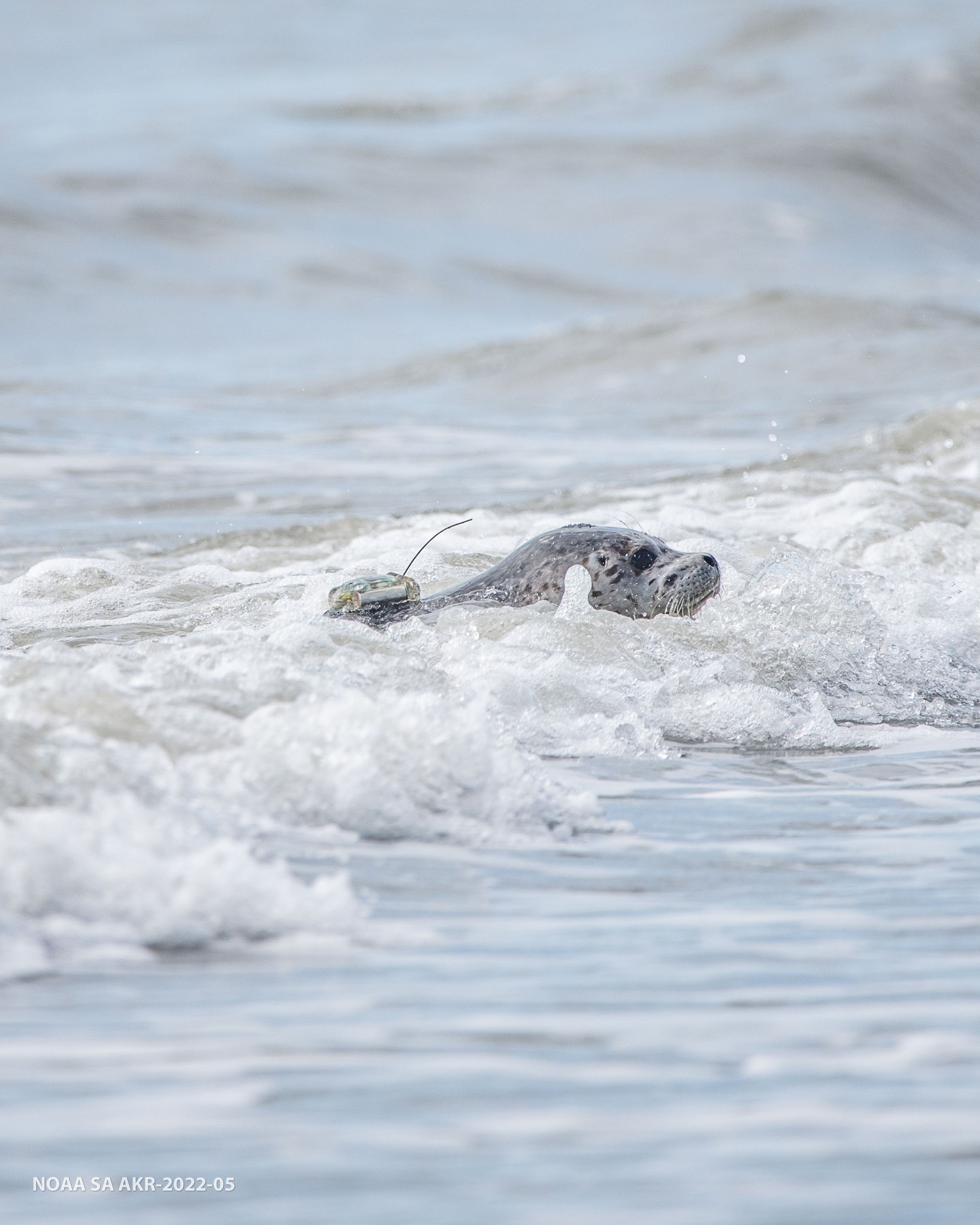
- The story of Zulu’s admission and rehabilitation in Wildlife Response
- The unique features and purpose of satellite tagging in wildlife conservation
- Insights into the significance of tracking wildlife movements after release
- Details on the rehabilitation process Zulu underwent at the Alaska SeaLife Center
- The importance of community awareness and support for wildlife conservation in Alaska
The narrative of wildlife response patient Zulu, known in conservation circles as PV2506, begins with an unexpected turn. Found alone in a precarious location in Anchorage, Alaska, Zulu’s journey into rehabilitation captured the hearts of many. Wildlife specialists at the Alaska SeaLife Center took immediate action upon her arrival, recognizing the potential challenges a young animal faces when separated from its natural habitat.
Zulu’s situation was not uncommon for wildlife. Animals suddenly displaced from their territories often struggle to adjust. Factors like environmental change, human encroachment, or orphaning can lead to such incidents. The rehabilitation team swiftly assessed Zulu’s physical condition and emotional state. Working with a multidisciplinary approach, veterinarians, wildlife specialists, and volunteers collaborated to establish a structured recovery plan that focused on restoring her health and training her to survive independently in the wild.
The rehabilitation process is pivotal in ensuring a successful return to the wild. Wildlife response teams implement feeding regimens that mimic natural diets, promote physical activity, and simulate social interactions conducive to an animal’s development. For Zulu, these efforts were critical. Over the months, she received specialized attention aimed at refining her natural instincts, including hunting and foraging. The team employed a variety of techniques, such as providing her with enrichment opportunities—activities designed to challenge her and stimulate her mind, making her road to recovery both engaging and effective.
A remarkable feature of Zulu’s rehabilitation was the integration of a satellite tag upon her release. While the tag may appear like a radio antenna affixed to her back, its function extends far beyond aesthetics. This technology plays a significant role in modern wildlife conservation efforts. Satellite tags allow researchers to track the post-release movements of rehabilitated animals, offering invaluable data about their habits, territorial ranges, and migration patterns. Such insights are essential not only for understanding individual animals but also for assessing broader ecological dynamics.
The tagging process is carefully planned to minimize stress to the animal. The tag is lightweight and designed for maximum comfort, ensuring that it does not hinder Zulu’s mobility. These instruments typically fall off naturally during the animal’s first molt, making them non-invasive in the long term. Before Zulu was released into the wild of Kenai, the tag was fitted, allowing the team to monitor her journey and gather data crucial for future conservation strategies.
The significance of tracking wildlife movements cannot be overstated. Each download of data from Zulu’s tag is a storytelling session, revealing the landscapes she traverses and the challenges she encounters. This essential information aids in assessing the health of wildlife populations, understanding migratory routes, and recognizing critical habitats. Furthermore, the data provides a window of insight into the current state of wildlife ecosystems, integral for shaping conservation policies and initiatives in Alaska.
The contributions of community members also cannot be overlooked. Organizations like the Alaska SeaLife Center often rely on local volunteers and stakeholders who bring their own expertise and enthusiasm into the rehabilitation process. Volunteers like Savannah and Victoria played critical roles, assisting in the daily care of Zulu and ensuring that she received both physical and emotional support. This collaboration not only enriches the rehabilitation experience but fosters a communal sense of responsibility toward local wildlife.
Zoo management also plays an essential part in wildlife response. The methods applied in zoo settings are often adapted for field-based rehabilitation efforts. Knowledge acquired from zoo environments helps refine techniques for feeding, handling, and monitoring individuals like Zulu. Welfare assessments and behavioral insights gleaned from zoological studies allow rehabilitation teams to apply best practices that enhance the chances of success for animals returning to their habitats.
Zulu’s release into Kenai signifies a triumph of collaborative efforts in wildlife conservation. It serves as a reminder of the continuous challenge faced by wildlife due to urban development, climate change, and other anthropogenic factors. Each released animal represents a critical piece of the ecological puzzle; their survival impacts the health of their ecosystems.
Through monitoring her movements post-release, valuable lessons will emerge. Understanding the areas Zulu frequents can guide habitat preservation efforts and inform future rehabilitation protocols. Successful releases are celebrated not just by rehabilitation teams but by the community that supports them. Each step in Zulu’s journey will help raise awareness about the necessity of protecting Alaska’s wildlife and natural habitats.
The story of Zulu underscores the importance of an informed public in wildlife conservation. Awareness campaigns that educate residents about the challenges facing local wildlife can galvanize community action, promoting responsible behaviors that diminish the likelihood of animal displacements. Moreover, engaging citizens in volunteer efforts and conservation projects will foster a greater appreciation for wildlife and the ecosystems around them.
In addition to community support, ongoing research is pivotal. Data gleaned from wildlife tracking helps illuminate patterns and trends in animal behavior, which is invaluable for future conservation initiatives. Researchers continuously analyze such information to improve strategies for habitat conservation, wildlife rehabilitation, and population management.
As Zulu embarks on her journey in the wild, she exemplifies both the resilience of wildlife and the potential for recovery when humans intervene positively. The balance between human activity and wildlife conservation necessitates a concerted effort, driven by education and collaboration. With community backing and scientific support, the survival of species like Zulu remains possible.
The continuous monitoring of Zulu’s journey facilitates broader ecological understanding and highlights the interconnectedness of species within an ecosystem. Each data point collected post-release contributes not only to Zulu’s story but to the narrative of wildlife conservation in Alaska as a whole.
Zulu’s journey from a vulnerable patient in Anchorage to a thriving wild animal in Kenai encapsulates the critical role wildlife rehabilitation plays. As her story unfolds, it serves as a beacon for conservation efforts, demonstrating that proactive responses can make a profound difference in the lives of individual animals and the health of ecosystems they inhabit.
Enthusiasm for wildlife conservation remains high, as evidenced by the eagerness to follow Zulu’s progress. This investment in her welfare is not just a concern for one animal but a commitment to preserving the delicate balance of Alaska’s remarkable wildlife communit. The insights gleaned from Zulu and those like her will undoubtedly enrich our understanding of animal behavior, guiding conservation efforts now and in the future.
*****
Source Description
Wildlife response patient “Zulu” (also known as PV2506) was admitted after being found alone in an unusual spot in Anchorage, Alaska. Now, after months of rehabilitation and preparation to survive on her own, she was recently released in Kenai, Alaska!
While it might look like she has a radio antenna sticking off her back, it’s really a satellite tag! With this tag, our team can track her journey after her release. These tags are designed to fall off naturally with her first molt, but even understanding where she travels for a short period of time will provide amazing insights to our team. We’ll be cheering on Zulu from afar!
📷: Photos by Wildlife Response Specialist Savannah and ASLC Volunteer Victoria
