
- The biological significance of peacock feathers in the animal kingdom
- The psychological impact of colors and patterns on human emotions
- The role of peacocks in cultural symbolism and art
- Conservation efforts surrounding the Indian Peacock and its habitats
- Practices for responsibly sourcing and using peacock feathers in decor
Peacock feathers are more than just visually striking; they serve multiple functions in nature and affect human emotions in considerable ways. The vibrant colors and intricate patterns found in these feathers are a natural marvel. This article explores the biological, psychological, cultural, and conservation aspects of peacock feathers, providing a holistic perspective on how they can brighten even the rainiest of days.
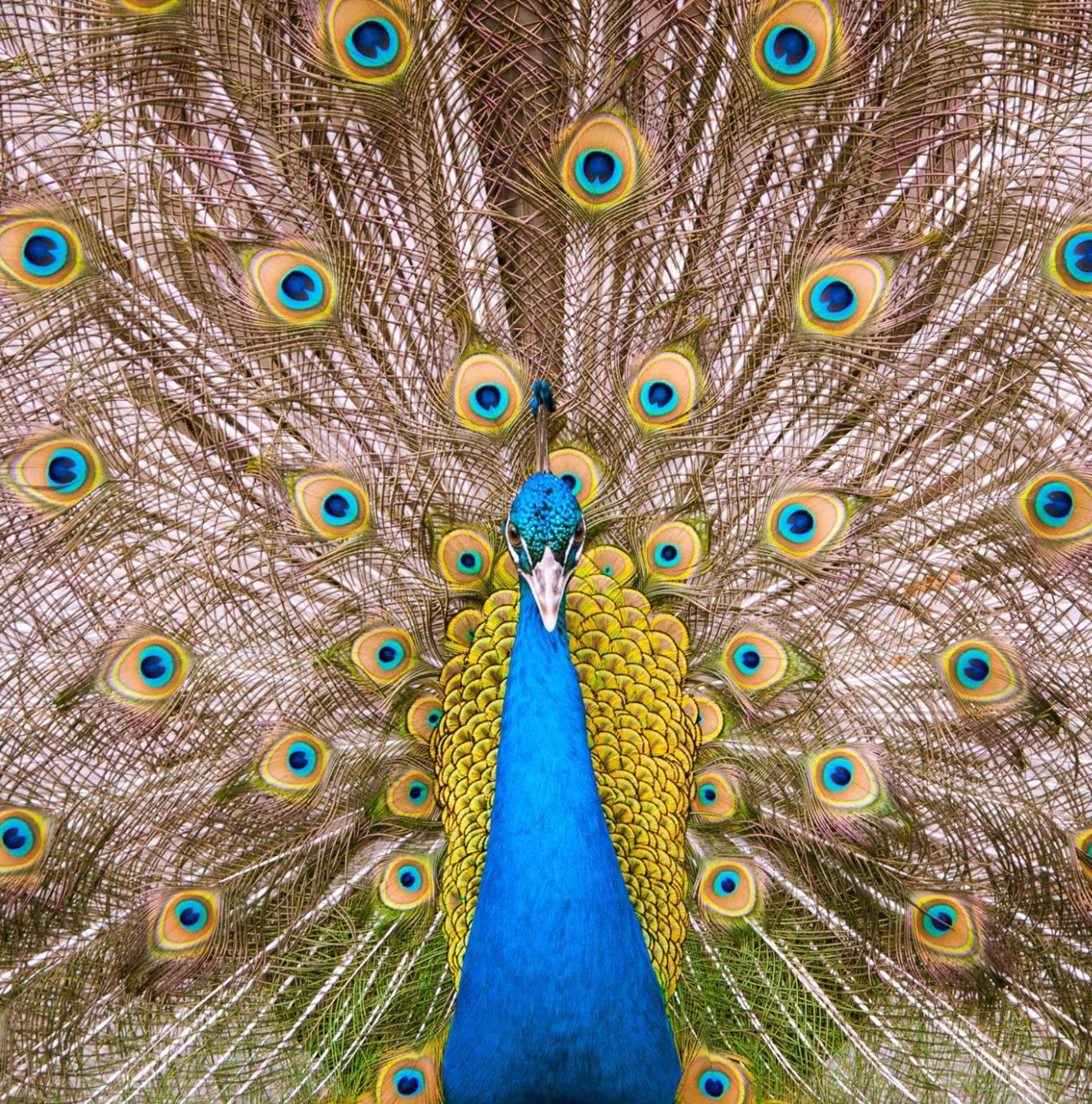
Peacock feathers primarily come from the Indian Peacock, a species renowned for its spectacular plumage. These feathers are not just ornamental; they play critical roles in the bird’s courtship activities and in establishing social hierarchies within their groups. Male peacocks display their feathers to attract mates. The longer and more flamboyant the tail, the more enticing its bearer is to female peahens. This is a classic example of sexual selection—a concept in evolutionary biology where certain traits increase an individual’s chances of reproduction. The feathers’ iridescent quality, which arises due to microscopic structures that refract light, can be the deciding factor in mating success.
The colors and patterns found in peacock feathers significantly influence human emotions. Colors like blue, green, and gold are often associated with feelings of joy and tranquility. In psychology, color theory suggests that certain hues can evoke specific emotions or reactions. A splash of peacock feathers in one’s decor can uplift mood and create a sense of warmth. This makes them not just aesthetic choices but psychological tools for promoting positivity. Researchers have found that engaging with colorful and vibrant visuals stimulates endorphin production, leading to enhanced feelings of happiness. When the sun is obscured by thick clouds, surrounding oneself with elements like peacock feathers can be an effective way to replicate that sunshine experience indoors.
Cultural symbolism surrounding peacocks is extensive and rich. In many societies, they represent beauty, pride, and luxury. They appear in religious texts, artwork, and even fashion. The peacock is notably significant in Hinduism, where it is linked to various deities and symbolizes grace and protection. Their feathers adorn everything from temple interiors to art installations, integrating natural beauty into cultural heritage. Celebrating these feathers extends beyond fashion; it connects us to diverse histories and practices that value the environment and its offerings.
Despite their beauty, the reality of conservation raises concerns regarding peacock populations and their habitats. Habitat loss due to urbanization, deforestation, and agricultural expansion poses considerable threats. The Indian Peacock is protected under wildlife conservation laws, which emphasize sustainable practices. Organizations actively engage in preserving their habitats and managing populations through education and community involvement. By participating in these efforts, individuals can contribute meaningfully to the conservation of not just peacocks but the broader ecosystems in which they thrive. Understanding the importance of these feathers fosters a deeper appreciation for the natural world and the environmental efforts underway to preserve it.
For those intrigued by incorporating peacock feathers into interior decor or crafts, it is crucial to source them responsibly. Many feathers are harvested in unsustainable ways that harm the bird populations. Companies and artisans committed to ethical practices ensure that their materials are gathered without causing distress to the wildlife. Selecting sustainably sourced peacock feathers is essential for responsible consumption. Utilizing these feathers can enrich spaces, effectively bringing a piece of nature’s artistry into homes.
The aesthetic and emotional benefits of peacock feathers provide a practical solution to dreary weather conditions. Their visual impact is undeniable; they bring flair to any space. Additionally, incorporating elements that evoke brightness can serve as a reminder of the beauty that exists all around us, even on rainy days. This infusion of color and texture can create a positive atmosphere that transforms mood.
Understanding the biological significance of peacock feathers helps to frame our appreciation for them. Their iridescence, a product of nature’s engineering, is not just for show. It plays a role in survival and reproduction. Engaging with the natural world offers insights into the intricacies that govern animal behavior. When we immerse ourselves in these details, we grow more aware of our environment and the responsibilities we carry towards it.
Rainy days can feel dreary, yet they are also opportunities to bring in elements of cheer. Peacock feathers manifest this potential beautifully. They enhance physical spaces while also engaging visitors on a psychological level. Whether through personal expression in home decor or as a topic for educational discussion, peacock feathers act as aspirations for positivity.
Ethical sourcing remains crucial. As we enjoy the beauty of peacock feathers, we must also advocate for their conservation. Educating ourselves and others about wildlife protection and sustainable practices informs our consumption choices. Each feather carries stories of evolution and adaptation; they remind us of nature’s art and the interconnectedness that binds all life.
Peacock feathers, thus, do not just serve as ornamental decor but embody a broader narrative. They encapsulate beauty and the importance of biodiversity. Keeping this in mind, we can enjoy peacock feathers as a source of light on even the gloomiest days, contributing positively to our environment simultaneously. The intention behind using such natural elements enriches our experience, making it more than an aesthetic choice.
Advancements in conservation science increasingly emphasize community involvement. Engaging with local organizations that focus on wildlife education can help individuals become empowered advocates for local ecosystems. By participating in conservation efforts, you can make a real difference, ensuring that future generations will also have opportunities to connect with nature, including the mesmerizing peacock.
The colorful allure of peacock feathers resonates deeply with many cultures around the globe and serves multiple functions in both nature and human perception. Studies indicate that exposure to nature can provide mental health benefits, enhancing well-being. Perhaps a simple decoration change featuring peacock feathers could serve as a beacon of joy on a rainy day, reminding us of the brightness that still exists in the world.
In closing, peacock feathers are not merely about their visual charm. They represent larger themes of conservation, cultural significance, and emotional impact. Understanding and appreciating this multifaceted narrative contributes to our stewardship of the natural world, allowing us to enjoy these wonders while encouraging sustainable practices. Emphasizing a connection to nature through peacock feathers can elevate both personal spaces and awareness of broader environmental issues. Thus, let peacock feathers illuminate your rainy days, enriching both your life and the welfare of wildlife around us.
*****
Source Description
As a mood booster to another rainy day, we recommend peacock feathers as your next best form of sunshine. ☀️
